Blog

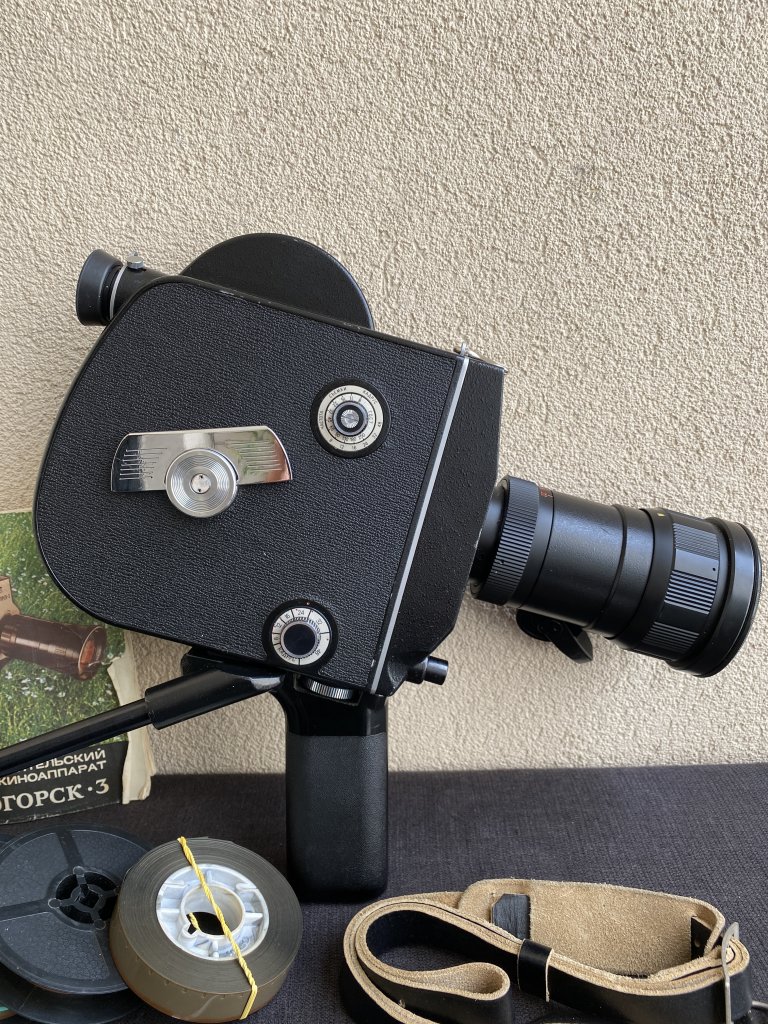
Soviet Krasnogorsk-3 Film Camera - 16mm
History & Propaganda

Soviet Cameras Explained: Zenit, FED, Zorki and Kiev

FED, Zorki, Zenit: three names found at every flea market in Eastern Europe, all descended from the same German camera, the Leica II. The first two are rangefinders, the third an SLR. Kiev cameras come from the Contax instead. This guide explains where each family comes from, how each viewing system works, how to tell them apart at a glance, what Soviet underwater housings were, and what to check before you buy.
Read more »
History & Propaganda

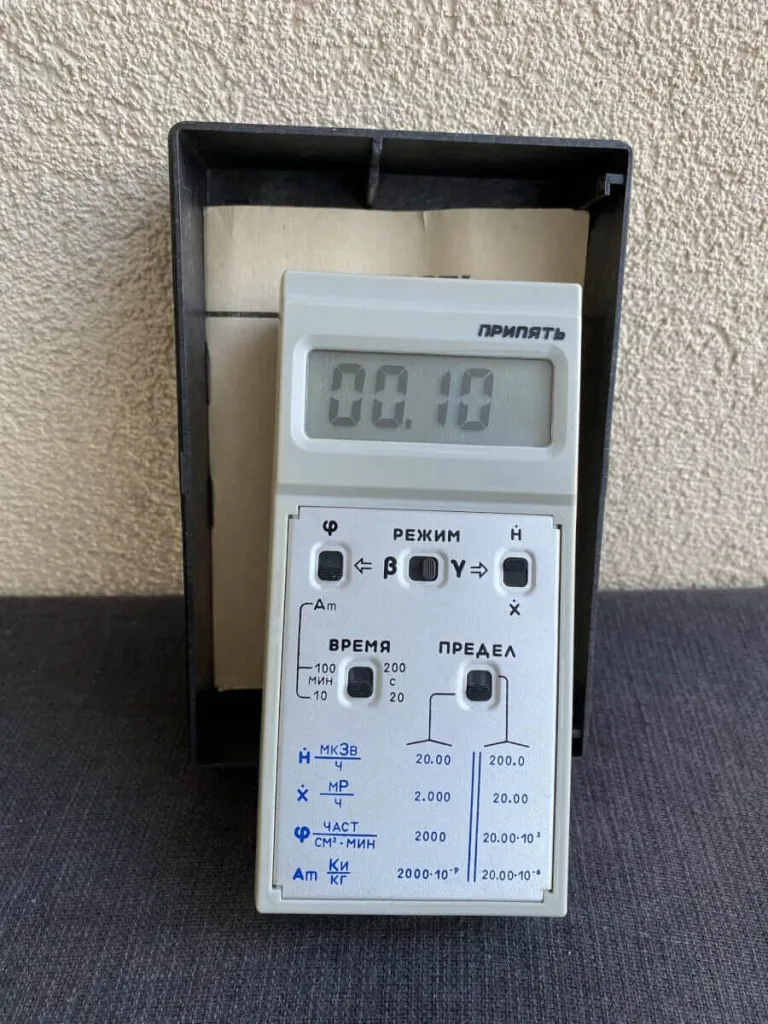
Soviet Geiger Counters: Pripyat, Bella, RKSB-104, DP-5 and How the SBM-20 Tube Works

A metal tube, a wire, a rare gas and a few hundred volts: that is all it takes to turn an invisible particle into a click. The same principle drove the DP-5 of Soviet civil defence, then the pocket dosimeters put on open sale in 1990, after Chernobyl. This guide explains how the tube works, which factories made the Pripyat, the Bella and the RKSB-104, and how to read these instruments before you buy one.

Read more »
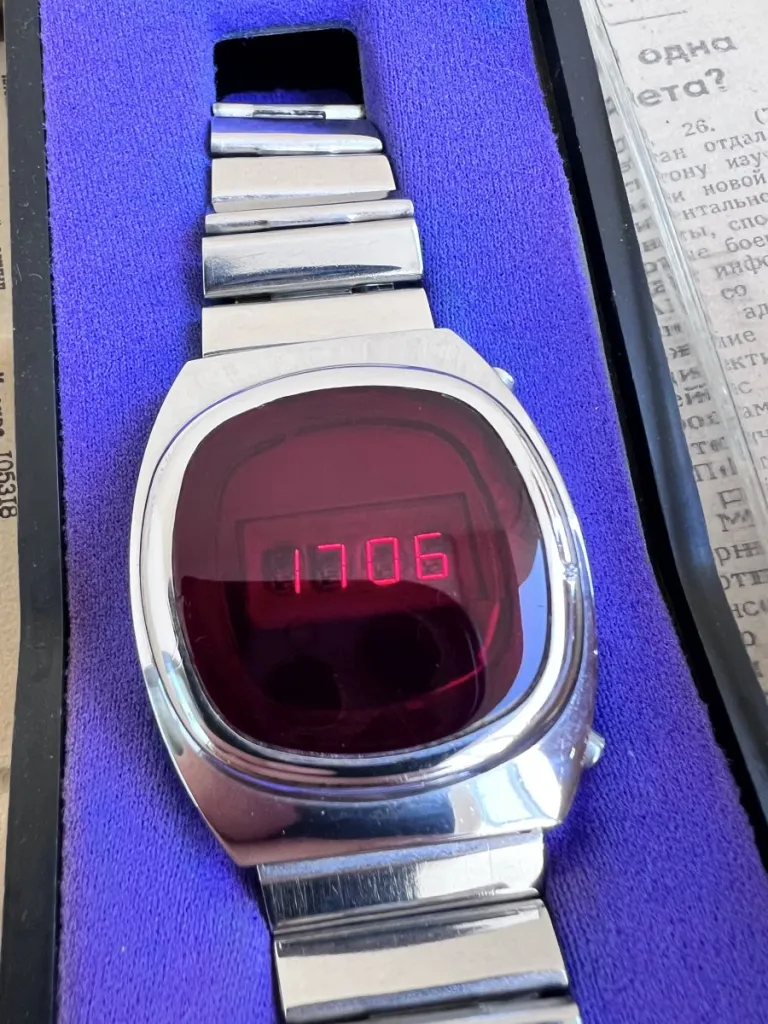
Elektronika-1 LED watch: cushion case in its box, red LED display showing 17 06 - Soviet in Paris
Clocks & Watches

Elektronika 1: the First Soviet LED Watch, Its History, How to Set It and Why It Is Fragile

The Elektronika 1 is the Soviet watch with red digits. No hands, no ticking: a dark screen that lights up when a button is pressed, then goes out. It descends from an American watch of 1972, it was developed in a semiconductor institute in Moscow, and in 1981 it sold for 121 roubles, about two thirds of a month’s wages. This guide tells where it comes from, shows its two cases, explains its five buttons with a simulator, and says what to know before buying one.

Read more »
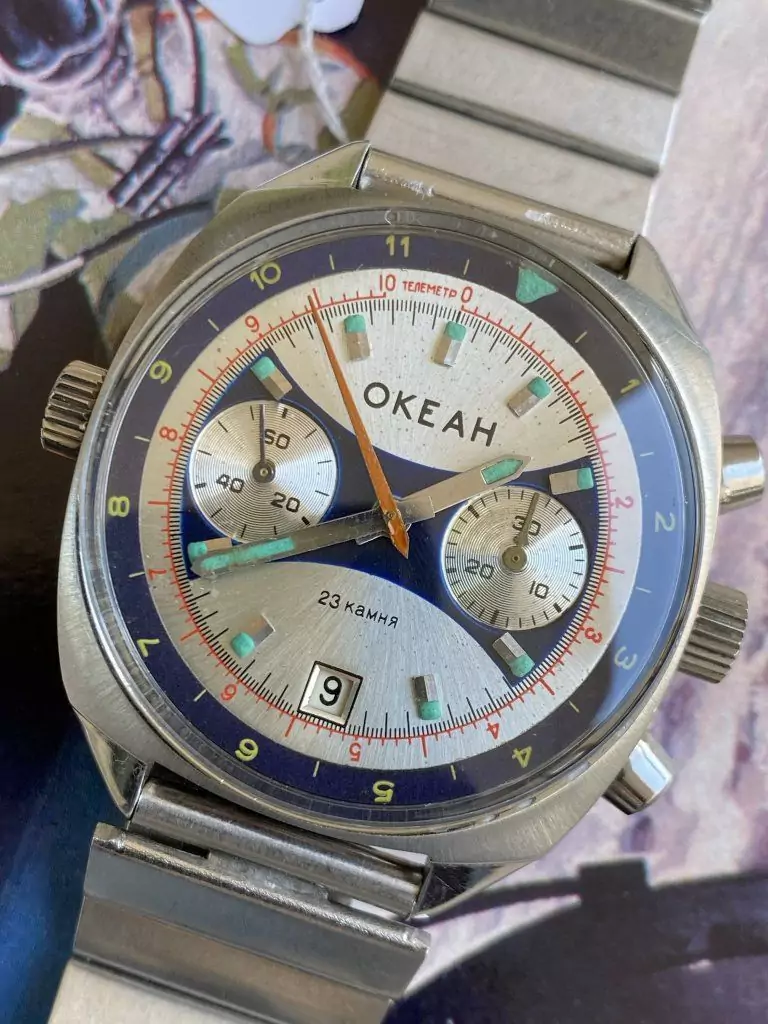
Okean Chronograph Watch - 3133
Clocks & Watches

Poljot Okean: the Soviet Navy Chronograph, Its History, Its Dial and How to Spot a Copy

The Okean is the chronograph of the Soviet Navy. Released in 1976 by the First Moscow Watch Factory, it is one of the very first models fitted with the calibre 3133 and was never sold in shops. That same year it went into space with the crew of Soyuz 23 and ended the mission in a frozen lake in Kazakhstan. This guide tells its story, explains its dial, telemeter and rotating ring, and shows what separates a period watch from a copy.

Read more »
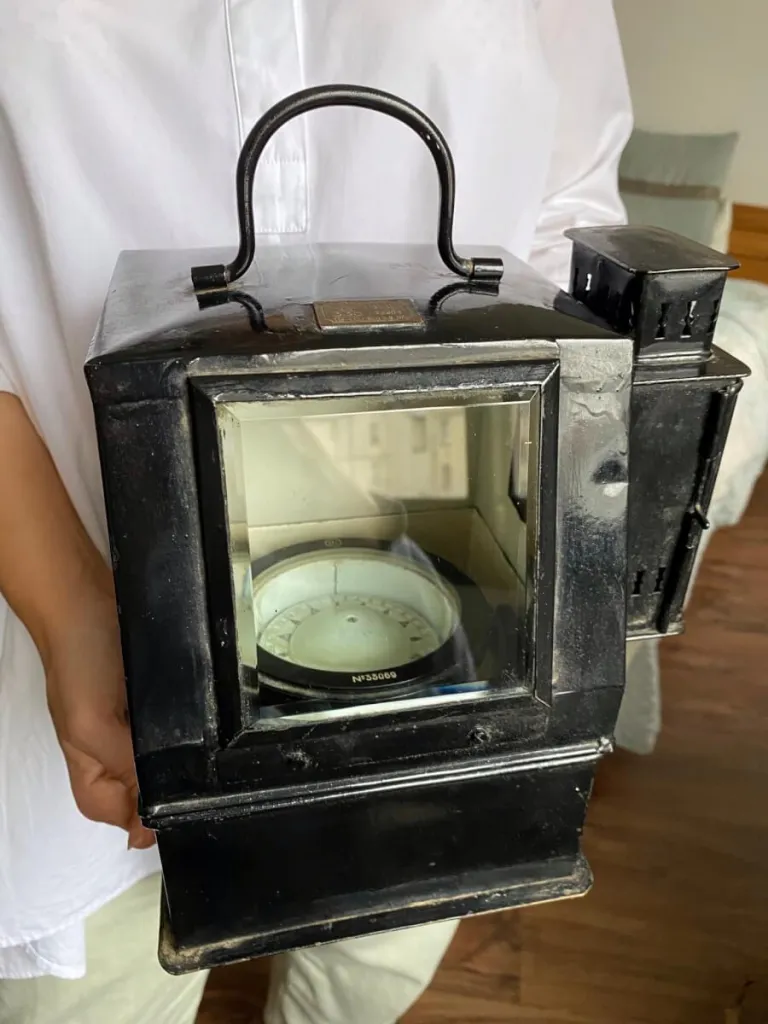
Soviet navy binnacle compass: black binnacle with carry handle, bevelled glass over compass №33069 and side lantern - Soviet in Paris
History & Propaganda

How to Use a Soviet Compass: the Adrianov Compass and the Soviet Navy Boat Compass

A Soviet compass does not read like a hiking compass. The Adrianov, the Soviet army’s wrist compass, counts degrees one way and mils the other. The compass of a fleet boat keeps its card pointing north while the boat swings around it. Using pieces and period papers from our shop, this guide shows how to take a bearing, follow it on the ground and read a Soviet marine compass.

Read more »
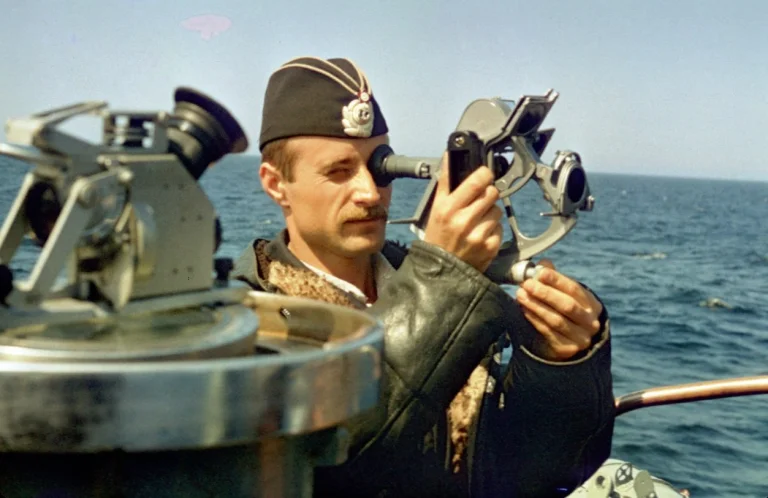
Soviet Navy officer taking a sight with an SNO-M sextant.
History & Propaganda

Soviet SNO-T Sextant: How It Works and How to Read It

A sextant measures one thing: the angle between two objects you can see, usually a star or the Sun and the horizon. With that angle, an accurate clock and a set of tables, a navigator could fix the ship’s position far out at sea. Soviet ships carried the SNO-T (СНО-Т), a micrometer drum sextant packed in a wooden case with its papers. This guide explains how its two mirrors work, how to take a Sun sight, how to read the arc and drum, and what to check before buying one.

Read more »
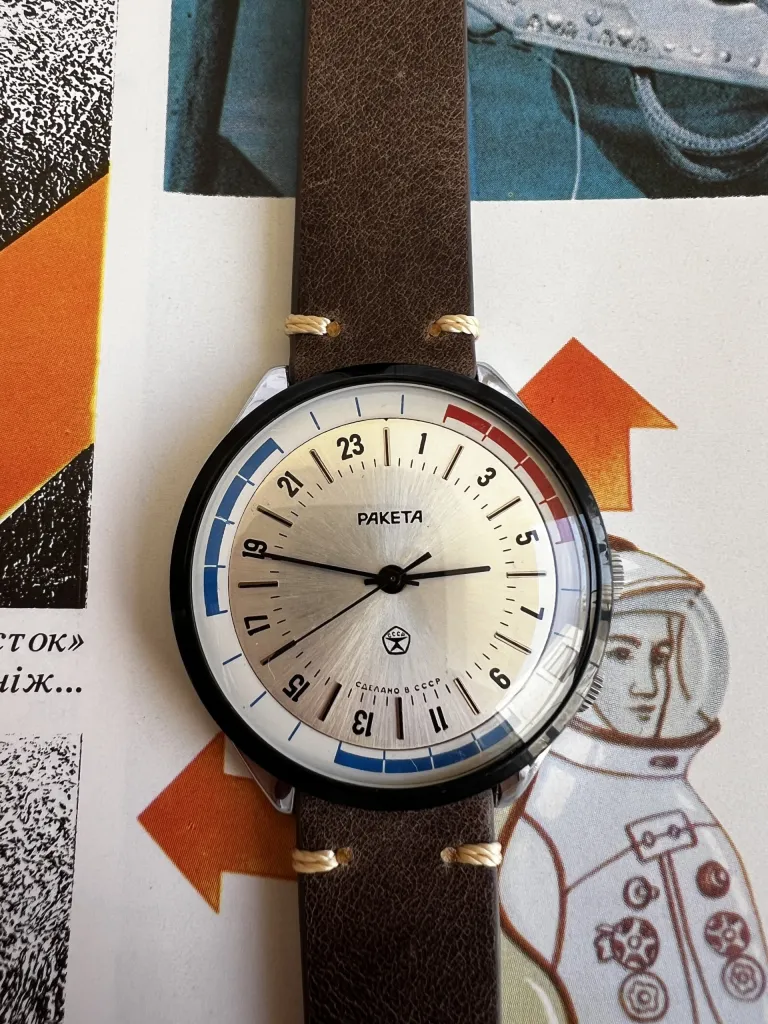
Raketa Submariner 2623N watch: front view of the 24-hour dial with red and blue watch-period ring - Soviet in Paris
Clocks & Watches

How to Use a Raketa 24-Hour Watch: the Rotating Ring and the Second Crown

On a two-crown Raketa 24-hour watch, the second crown does not set the time: it turns a ring placed under the crystal. The factory passport describes three versions of it, the first to time a four-hour watch at sea, the second to read the hour of a second time zone, the third to read the hour in twenty-four cities of the world. Here is how to use each of them, with three watches you can set on screen.

Read more »
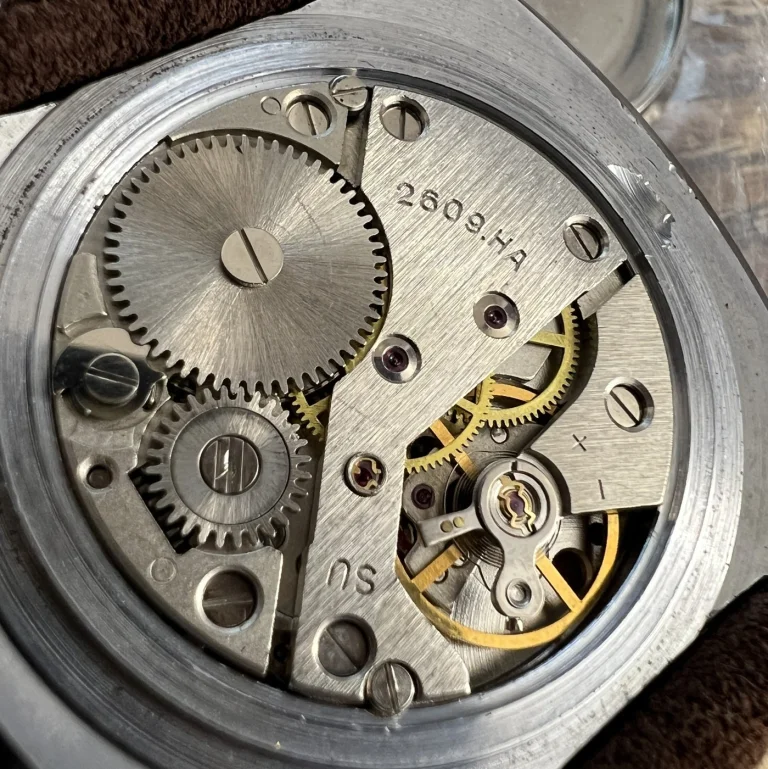
Raketa 2609.НА movement, seen from the back.
Clocks & Watches

Servicing a Soviet Mechanical Watch: When and How

The oils in a movement age even when the watch is not worn. This guide gives the recommended service interval, what factory passports said, the official rate tolerances, how repair shops worked in the USSR, the warning signs and everyday habits, with a Soviet movement in 3D.

Read more »
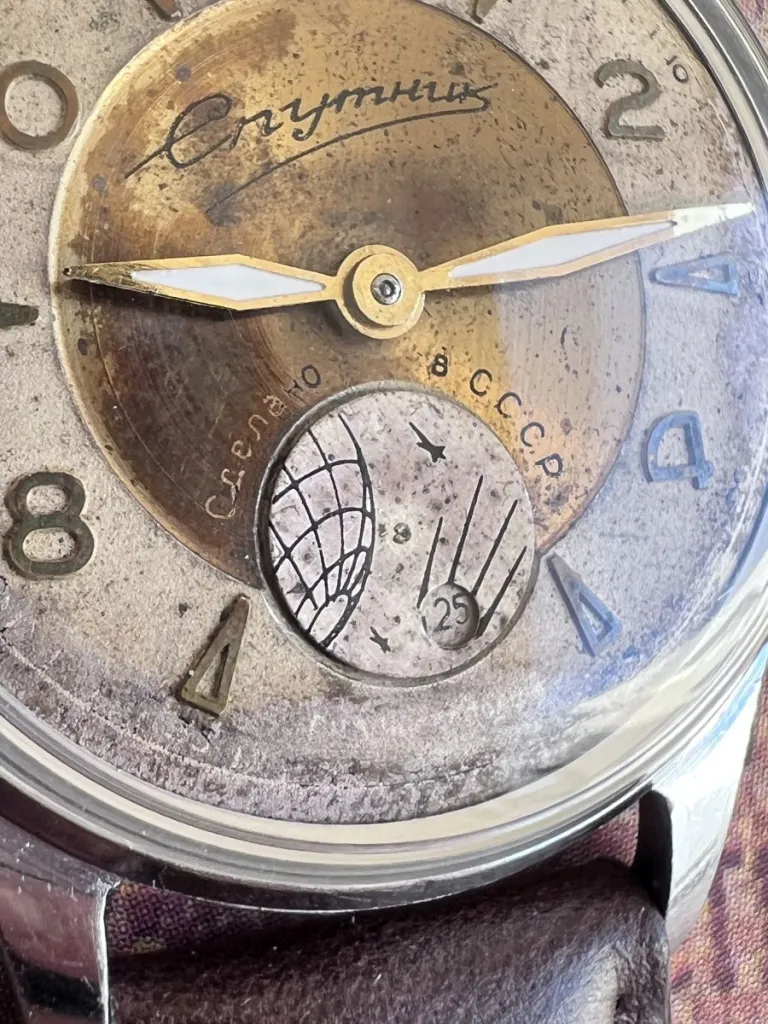
Sputnik ChChZ watch: close-up of the seconds disc with globe, satellites and number 25 in the window - Soviet in Paris
Clocks & Watches

How to Read the Cyrillic on a Soviet Watch Dial

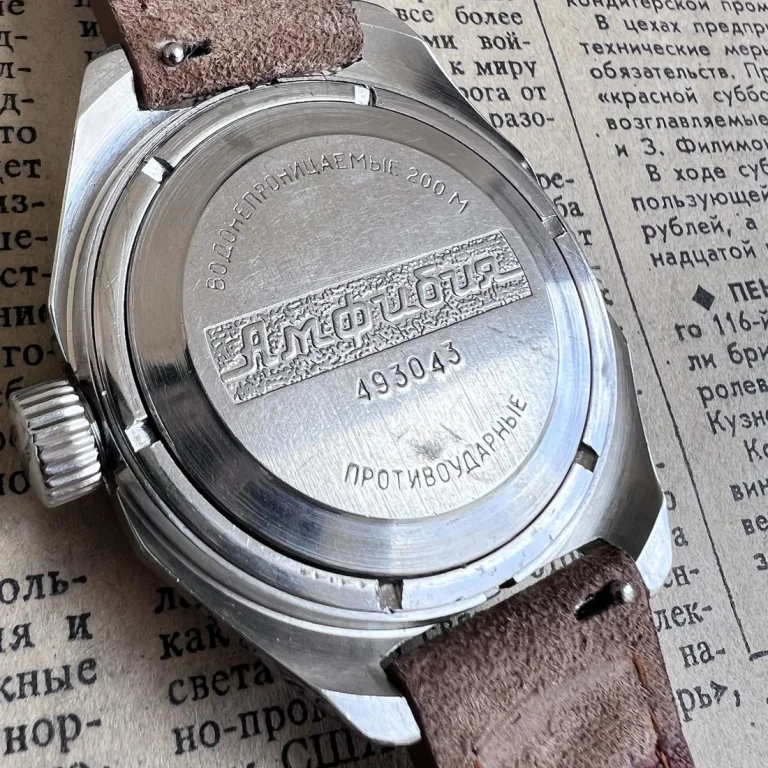
The Cyrillic markings on a dial, a case back or a passport help identify a Soviet watch and place it in time. This guide explains each of them on three tap-to-read photos, decodes the four-digit calibre code and sets out what the Soviet standard actually required to be written.

Read more »