3 pieces available
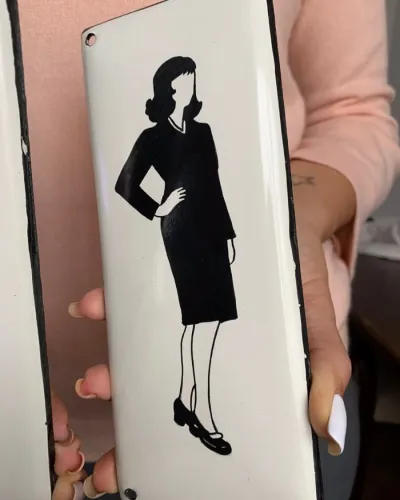
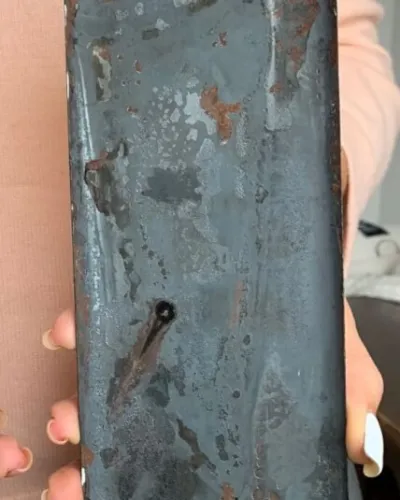
An enamel sign is made by laying powdered glass on an iron sheet and firing it so the enamel fuses to the metal, one colour and one layer at a time. The process developed in Central Europe in the early 19th century. Valued for their sturdiness, such signs were widely used for advertising and signage from about 1880 to 1950.
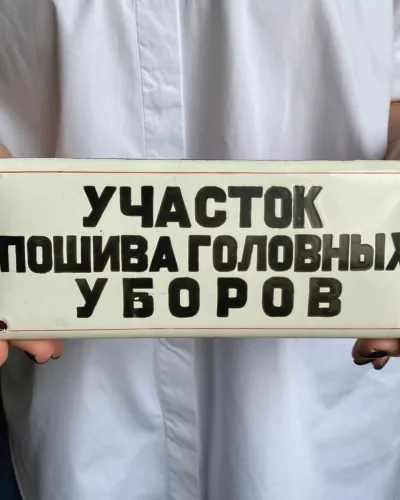
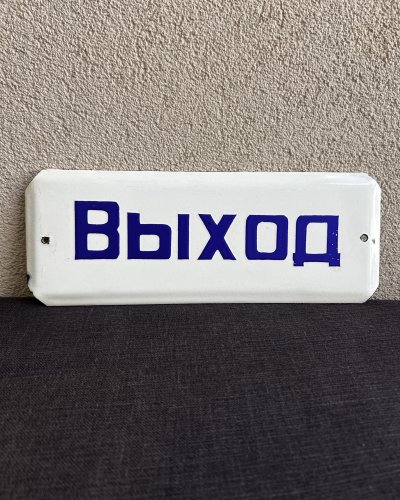
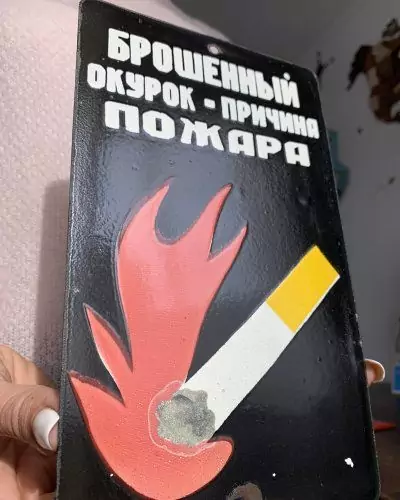
In Soviet factories and workshops these signs marked rooms, rules and hazards.
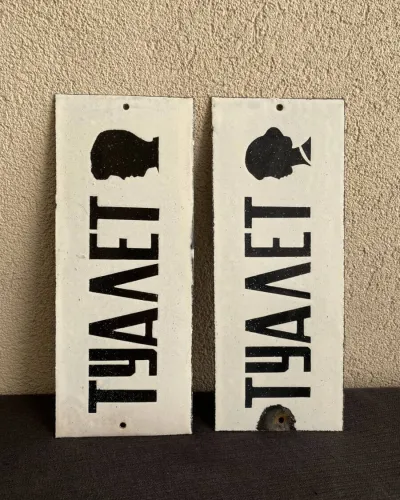
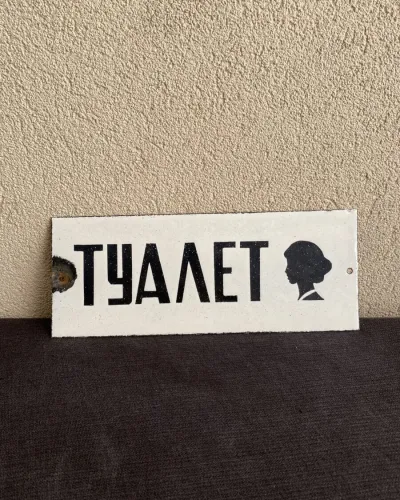
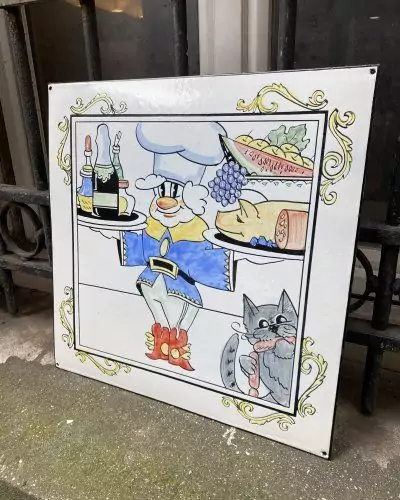
This category gathers canteen and cash desk signs, toilet signs with figures, a sign from a hat-making workshop, and signs for kitchens, dining rooms, laundries, exits and stores inventory, along with skull and crossbones danger signs. Collectors look at the condition of the enamel, chips around the fixing holes and the strength of the colours.
Soviet in Paris
Offline right now. Leave your message and your email, we reply within 24 hours.Your email is used only to reply to you.