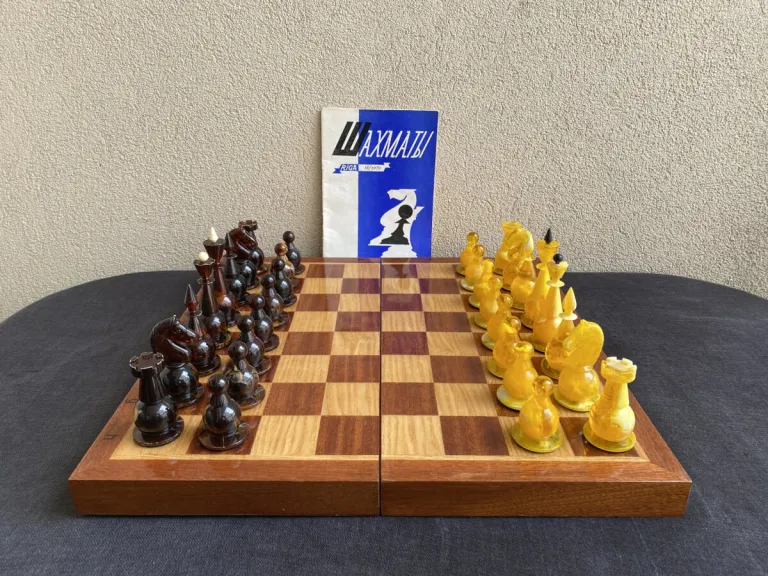
Kaliningrad amber chess set: overall view, dark and yellow pieces set up, with the magazine "ШАХМАТЫ RIGA 18/1979" - Soviet in Paris
History & Propaganda

Soviet Chess Sets and Jantar Chess Clocks: Travel Sets, Kaliningrad Amber and How to Date Them

The Soviet chess sets found today are mass-produced objects: magnetic or peg travel sets, plastic sets from Kiev or Kishinev, pressed amber pieces from Kaliningrad, Yantar (Jantar) tournament clocks. This guide goes through them using pieces from our shop, shows the marks that date a box or a clock, standard number, price and stamps, and ends with a board on which to replay three games, including the one played in orbit in 1970.
Read more »
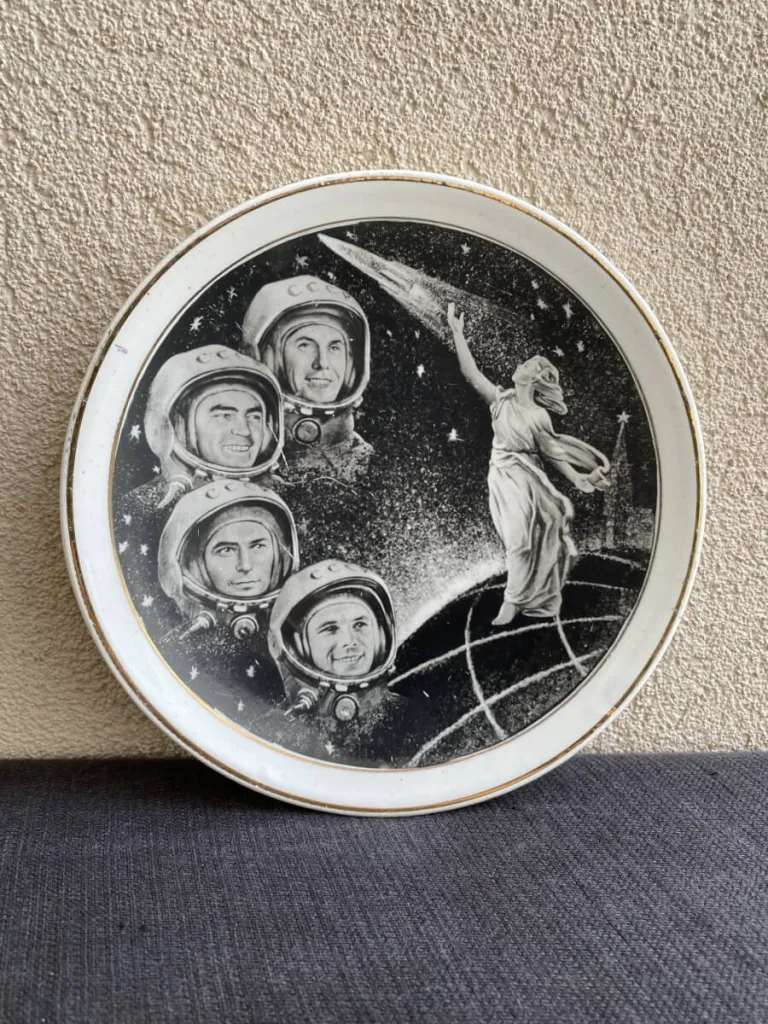
Soviet cosmonauts plate: front view, four helmeted cosmonauts and a female figure reaching towards a rocket - Soviet in Paris
History & Propaganda

Soviet Porcelain Marks: How to Read the Backstamp on USSR Porcelain

Turn a Soviet plate over: under the foot ring you find a letter, a circle, sometimes a rooster or a teapot, a number, the words 1 с. These backstamps tell you which factory made the piece, roughly when, which quality grade it received, and whether it was meant for export. This guide reads them on pieces that passed through Soviet in Paris, from Korosten to Leningrad, with the dates published by museums, and shows what separates a Soviet-era piece from one made after the USSR.

Read more »
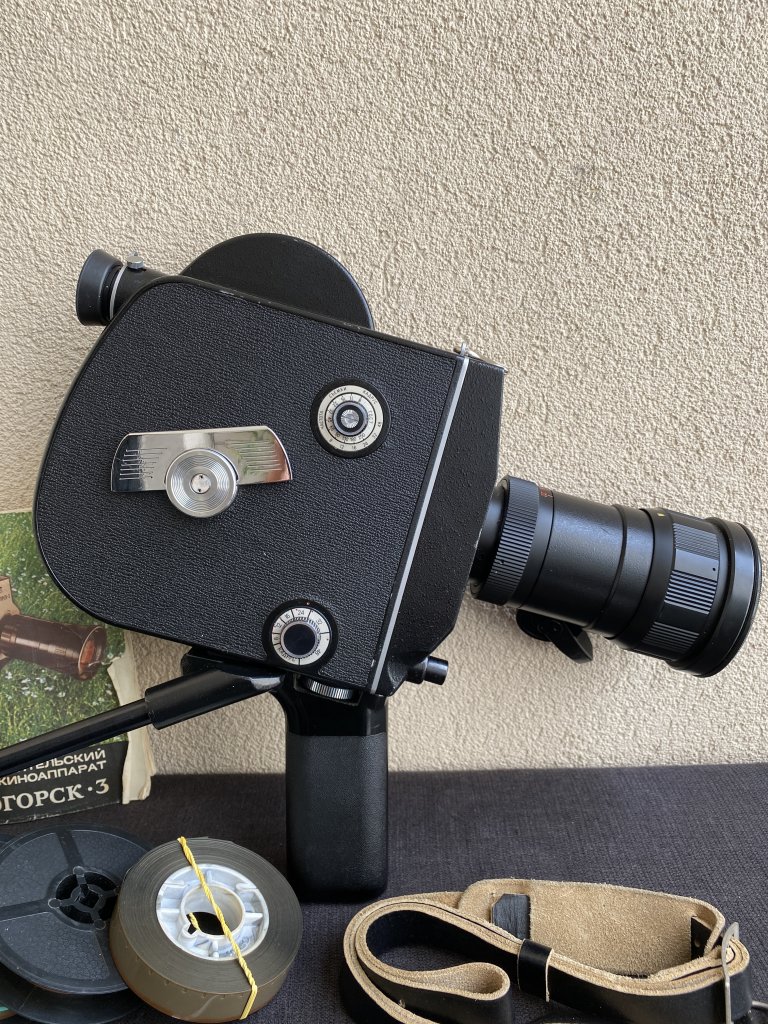
Soviet Krasnogorsk-3 Film Camera - 16mm
History & Propaganda

Soviet Cameras Explained: Zenit, FED, Zorki and Kiev

FED, Zorki, Zenit: three names found at every flea market in Eastern Europe, all descended from the same German camera, the Leica II. The first two are rangefinders, the third an SLR. Kiev cameras come from the Contax instead. This guide explains where each family comes from, how each viewing system works, how to tell them apart at a glance, what Soviet underwater housings were, and what to check before you buy.

Read more »
History & Propaganda

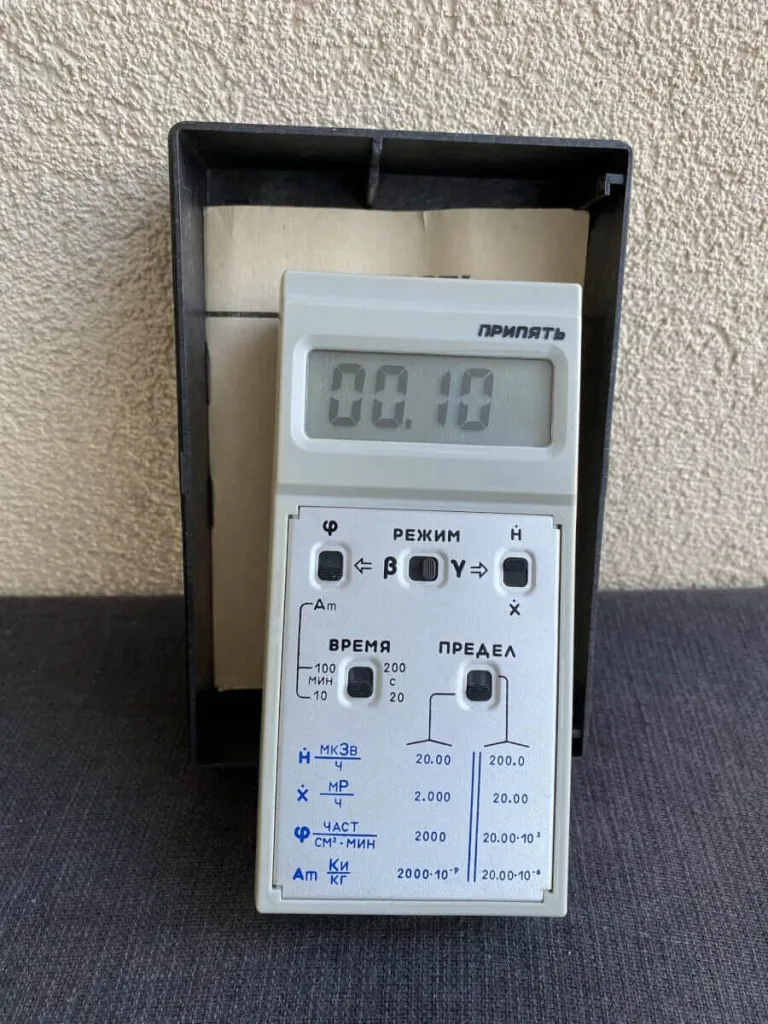
Soviet Geiger Counters: Pripyat, Bella, RKSB-104, DP-5 and How the SBM-20 Tube Works

A metal tube, a wire, a rare gas and a few hundred volts: that is all it takes to turn an invisible particle into a click. The same principle drove the DP-5 of Soviet civil defence, then the pocket dosimeters put on open sale in 1990, after Chernobyl. This guide explains how the tube works, which factories made the Pripyat, the Bella and the RKSB-104, and how to read these instruments before you buy one.

Read more »
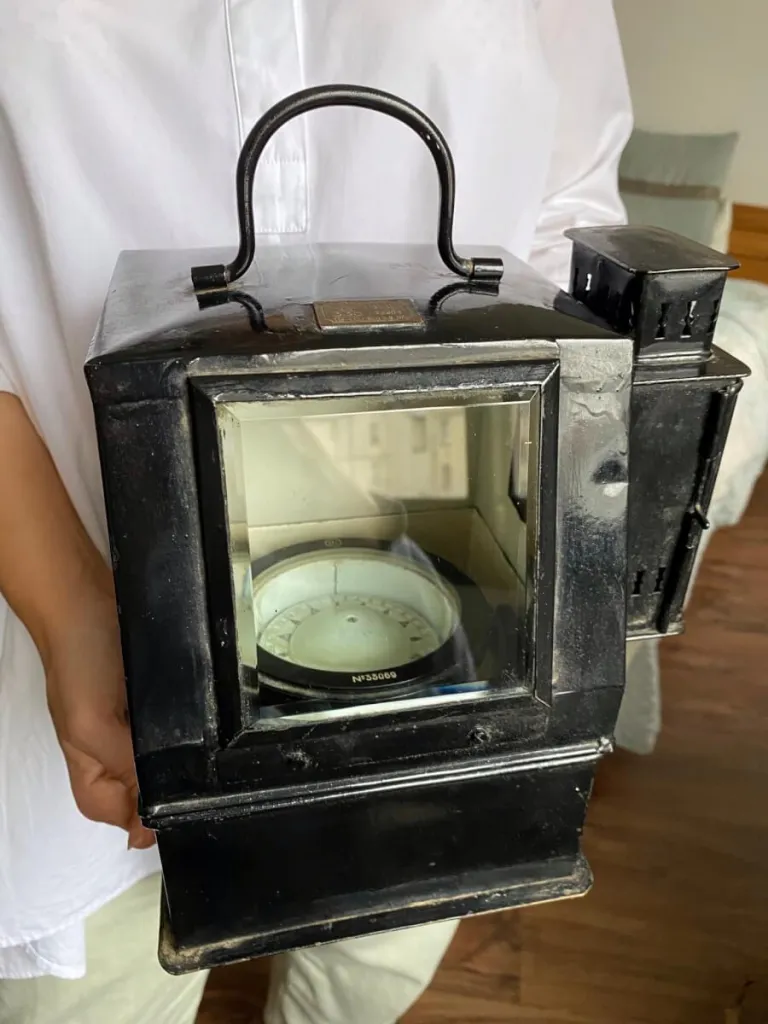
Soviet navy binnacle compass: black binnacle with carry handle, bevelled glass over compass №33069 and side lantern - Soviet in Paris
History & Propaganda

How to Use a Soviet Compass: the Adrianov Compass and the Soviet Navy Boat Compass

A Soviet compass does not read like a hiking compass. The Adrianov, the Soviet army’s wrist compass, counts degrees one way and mils the other. The compass of a fleet boat keeps its card pointing north while the boat swings around it. Using pieces and period papers from our shop, this guide shows how to take a bearing, follow it on the ground and read a Soviet marine compass.

Read more »
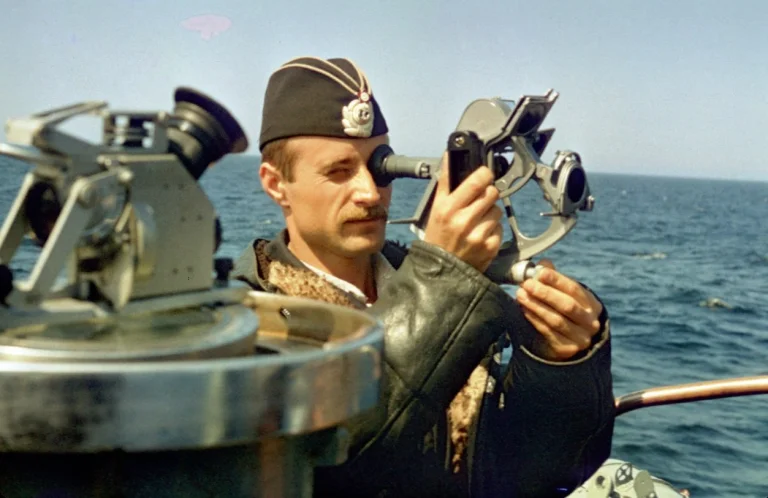
Soviet Navy officer taking a sight with an SNO-M sextant.
History & Propaganda

Soviet SNO-T Sextant: How It Works and How to Read It

A sextant measures one thing: the angle between two objects you can see, usually a star or the Sun and the horizon. With that angle, an accurate clock and a set of tables, a navigator could fix the ship’s position far out at sea. Soviet ships carried the SNO-T (СНО-Т), a micrometer drum sextant packed in a wooden case with its papers. This guide explains how its two mirrors work, how to take a Sun sight, how to read the arc and drum, and what to check before buying one.

Read more »
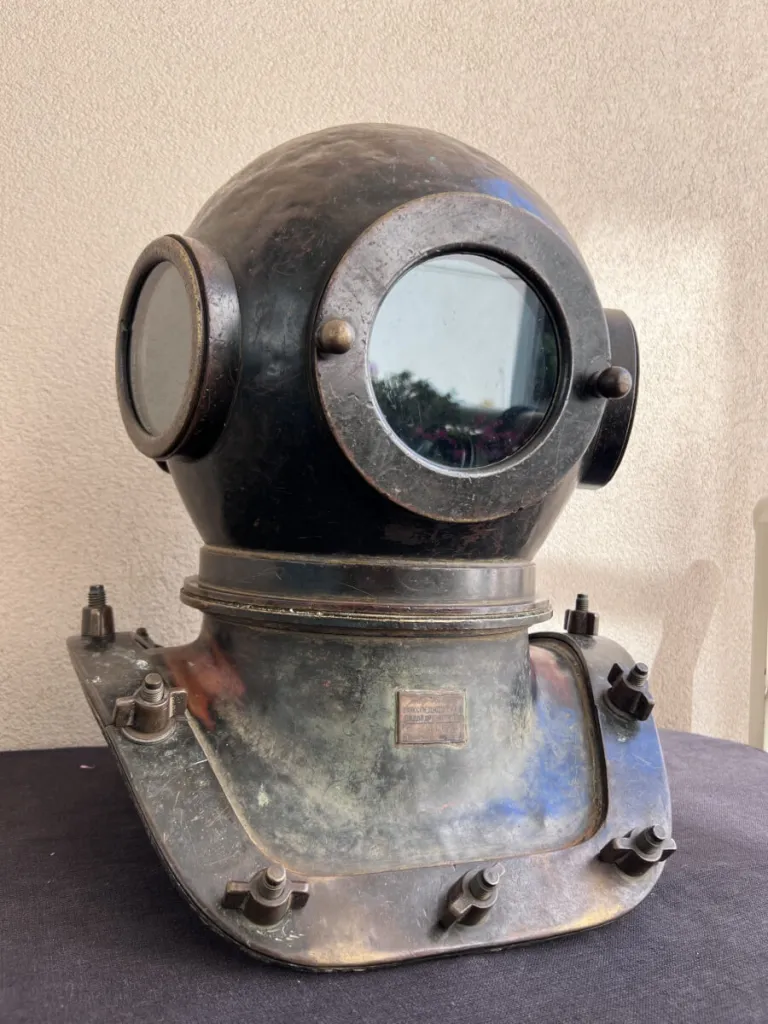
12-bolt diving helmet, Leningrad 1964: three-quarter view, three-window bonnet and wing nuts - Soviet in Paris
History & Propaganda

Soviet Diving Helmets: 12-Bolt, 3-Bolt and the Heavy Diver's Kit

This guide tells the twelve-bolt Soviet diving helmet from the three-bolt, shows how to read the factory plate and presents what completed the helmet: boots, NV-1 knife, compass, lamp and 191ChS watch. It also gives the points to check before buying, with so many helmets made in the 2000s.

Read more »
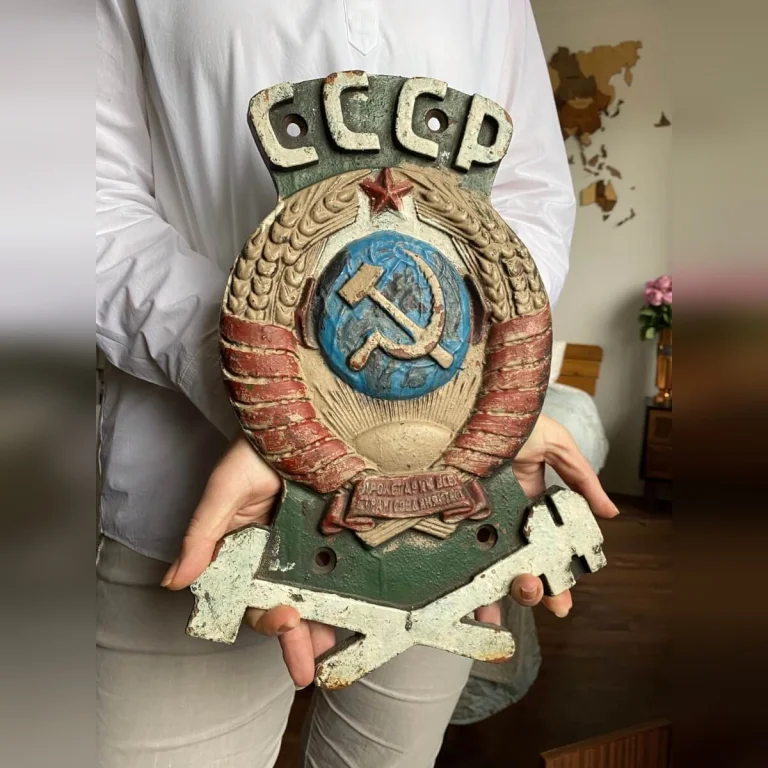
Soviet railway emblem in painted cast iron, letters СССР and coat of arms
History & Propaganda

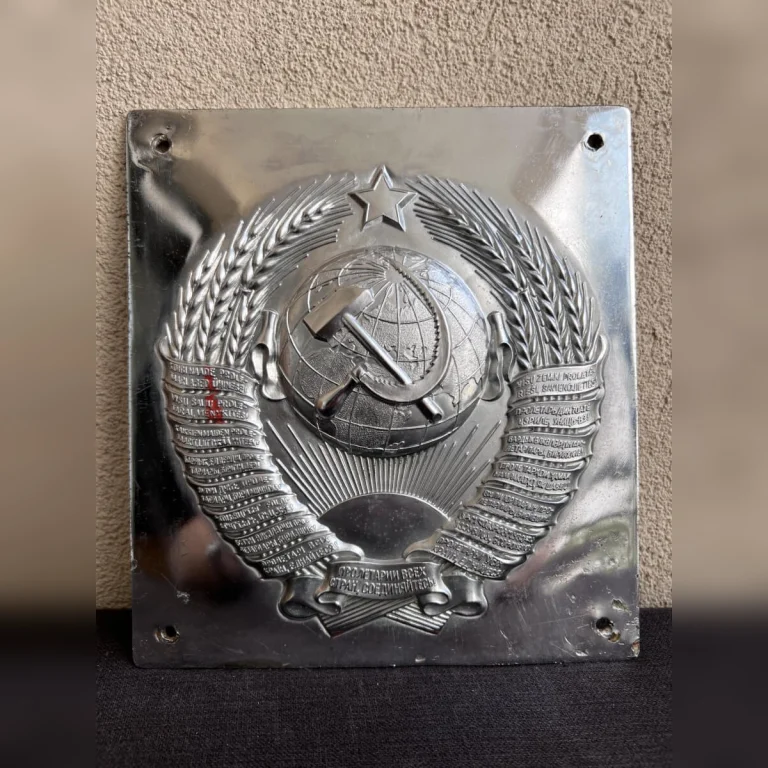
Soviet Railway Emblem: The USSR Coat of Arms on Trains

Railway regulations required the Soviet railway emblem on passenger coaches and locomotives. Each one carries the letters СССР, the state arms and a hammer crossed with a wrench, the sign of the railwaymen. This guide explains where it was placed, how to read it, how to date it by its ribbons, and what sets apart the models found today.

Read more »
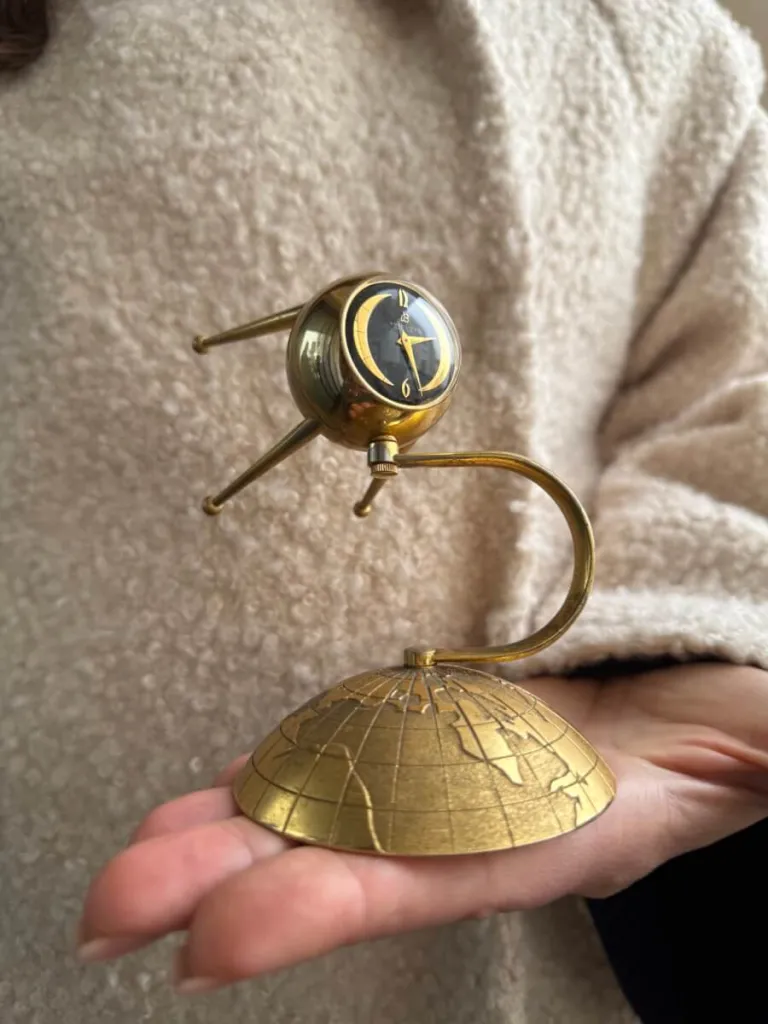
Breitling Bébé-Lune Sputnik clock: antenna sphere on its curved stem above the engraved globe base - Soviet in Paris
History & Propaganda

Breitling Baby Moon, Sputnik, Gagarin: The Objects the World Made for Soviet Spaceflight

On 4 October 1957 the USSR put the first artificial satellite into orbit. The French nicknamed it the bébé-lune, the baby moon, and in Geneva Breitling turned it into a desk clock. It was not alone. Gien earthenware, BN biscuits, German toys, Italian records, Romanian stamps, a Chinese alarm clock: from 1957 to the 1970s the whole world made objects for Sputnik, Laika and Gagarin. This article lists them, country by country.

Read more »