On 4 October 1957 the USSR put the first artificial satellite into orbit. The French nicknamed it the bébé-lune, the baby moon, and in Geneva Breitling turned it into a desk clock. It was not alone. Gien earthenware, BN biscuits, German toys, Italian records, Romanian stamps, a Chinese alarm clock: from 1957 to the 1970s the whole world made objects for Sputnik, Laika and Gagarin. This article lists them, country by country.
OCTOBER 2026•17 MINUTE READ
by Marwen Yahyaoui
The Breitling Baby Moon (Bébé-Lune) desk clock, reference 2000, shaped like Sputnik.
The Breitling Baby Moon, or Bébé-Lune, is a desk clock shaped like Sputnik, brought out in Geneva after the launch of the first satellite. It opens this inventory of the objects made outside the USSR for the Soviet space programme.
On 4 October 1957 the USSR put Sputnik 1 into orbit: a sphere 58 cm across weighing 83.6 kg, with four antennas. The satellite sent out a radio signal that any radio amateur could pick up. Within days the Russian word “sputnik” had entered every language.
Outside the USSR the reaction was not only political. Watchmakers, potteries, toy makers, record labels and post offices took up the subject. This article lists those objects, country by country. Some have passed through our shop, others are in museums, others are known only through collectors. We say which each time.
Pravda a day late, America worried
In Moscow the event was not grasped at once. On 5 October 1957, Pravda printed the TASS agency communiqué without making it the headline of the day. The tone was sober, almost technical. That same day the world’s press wrote of nothing but the Soviet “red moon”. On 6 October, a day late, Pravda gave its whole front page to the satellite.
In the United States the worry was real. It was first that of the press and of elected officials. The New York Times wrote of a propaganda and prestige triumph for communism. A rocket able to put 83 kg into orbit could also carry a military payload, and everyone understood it. President Eisenhower replied five days later that the satellite did not worry him in the slightest. The pollster Samuel Lubell, who was questioning Americans at the time, found no panic among the public, but the country discovered that it was no longer first, and that a Soviet craft was passing overhead several times a day.
The consequences were concrete. On 6 December 1957 the American Vanguard rocket exploded on its launch pad in front of the cameras, and the press renamed it “Flopnik” and “Kaputnik”. In 1958 the United States created the military research agency ARPA, then NASA on 29 July, and passed a law funding science education on a large scale.
Bébé-lune, the French nickname for Sputnik
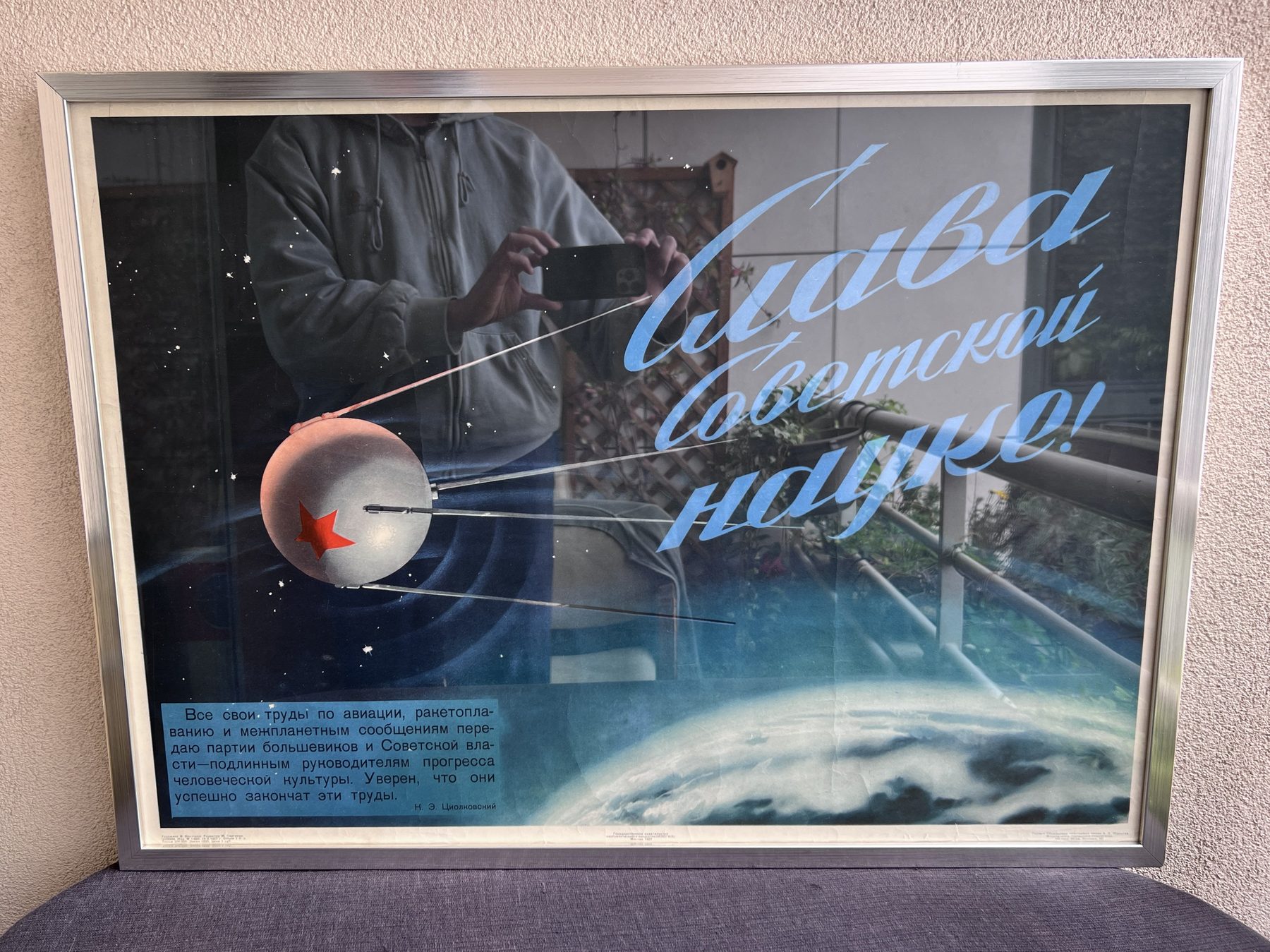
In France the satellite was given a nickname at once: the bébé-lune, or baby moon. The Actualités Françaises newsreel of 16 October 1957 was titled « Bébé Lune vedette de l’heure Spoutnik » (Baby Moon, star of the hour: Sputnik). The USSR for its part celebrated its satellite on posters: the first Soviet space poster dates from 1957. In 1957 Dario Moreno recorded a song called « Bébé Lune » for Philips. The word soon covered every artificial satellite. The English-language press used the same image, “baby moon”.
“Glory to Soviet science”, 1957 poster for the first satellite.
Switzerland: the Breitling Baby Moon, a Sputnik desk clock
In Geneva, Breitling turned the baby moon into a desk clock: the Breitling Baby Moon. A Swiss magazine of 1957 presents it as the first Bébé-Lune of Swiss watchmaking and states that the design is registered. It also writes that watch and case makers everywhere were then trying to bring out their souvenir watch.
The sphere and its four antennas, seen from behind.
A Breitling advertisement in English gives the details: desk clock, 17 jewels, reference 2000. It is described as the short version of an advertisement published in Life magazine. The text names neither Sputnik nor the USSR. Breitling pays tribute to the International Geophysical Year and to the first ventures into space. The shape leaves no doubt: a sphere with four antennas swept backwards, as on Sputnik 1.
Dial of the Breitling Baby Moon: black, with a crescent moon, signed Breitling Genève.
The sphere houses the hand-wound movement. It is carried by a curved stem above a base shaped as half a globe, with the continents in relief. The black dial carries a gilt crescent moon. Our example is gold-plated brass, stands 13 cm high and weighs 407 grams. A collector on the French forum Forumamontres reports that the clock was announced as available in April 1958.
The inscription “continental valvring corporation” on the base.
The base of our clock carries an inscription: “continental valvring corporation”. It was in all likelihood a corporate gift. The underside of the base is stamped 6682. Collectors report the same number on other examples, so it is probably not a serial number.
A call to our readers
The base of our clock is engraved “continental valvring corporation”. We have found no trace of this company.
If you know this firm, its country or its trade, write to us at inquiries@sovietinparis.com. Any serious lead will be added to this article and credited.
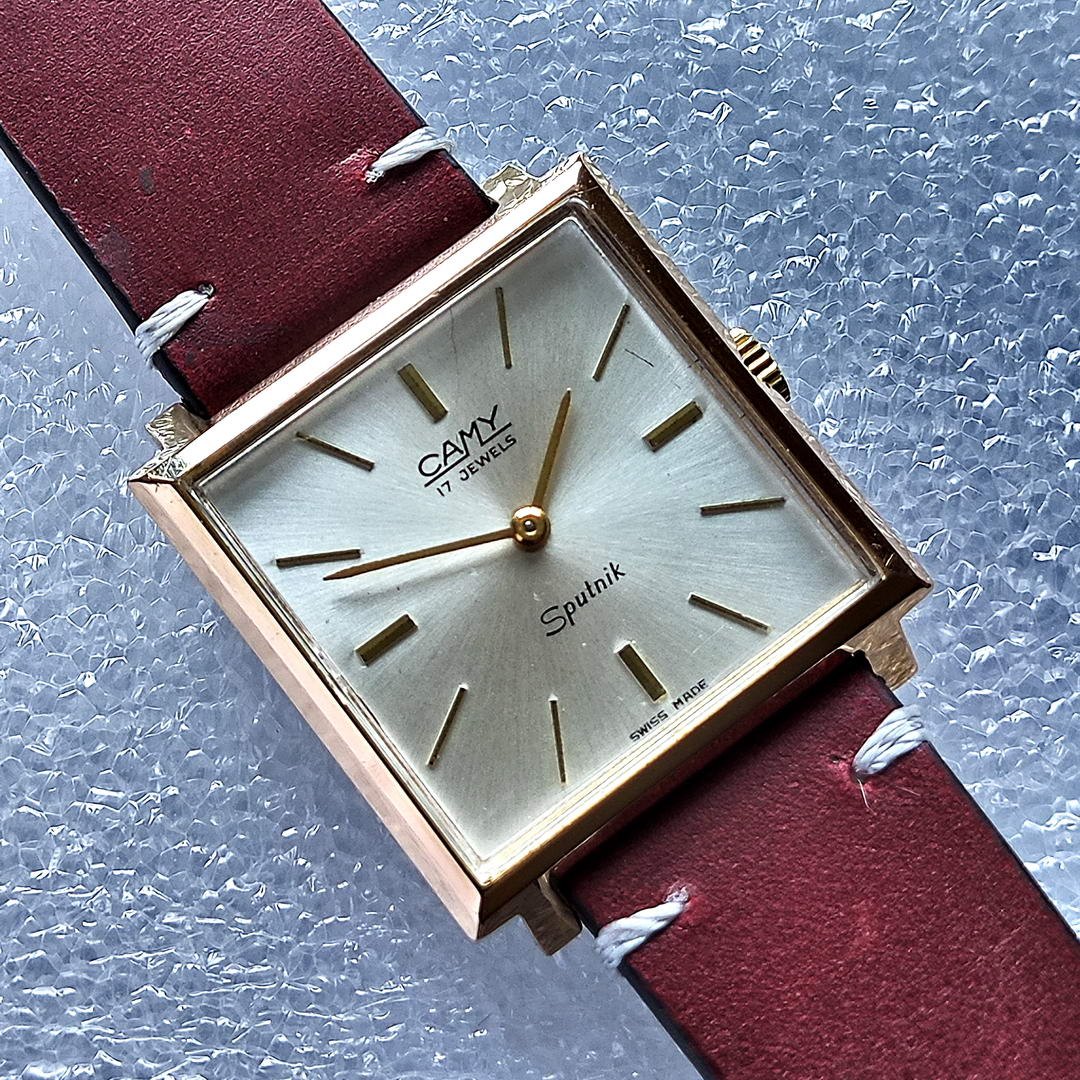
Breitling was not the only Swiss name. The Camy brand sold a wristwatch with the word “Sputnik” in script on the dial. It is known from examples that have come up for sale, dated to the late 1950s.
Swiss Camy “Sputnik” watch. Photo german242.com.
Sputnik music box with a Swiss movement, late 1950s.
Our shop has also had a Sputnik-shaped music box made in Western Europe in the late 1950s, in bakelite and chrome-plated brass, with a Swiss movement. It plays the signal sent out by the satellite.
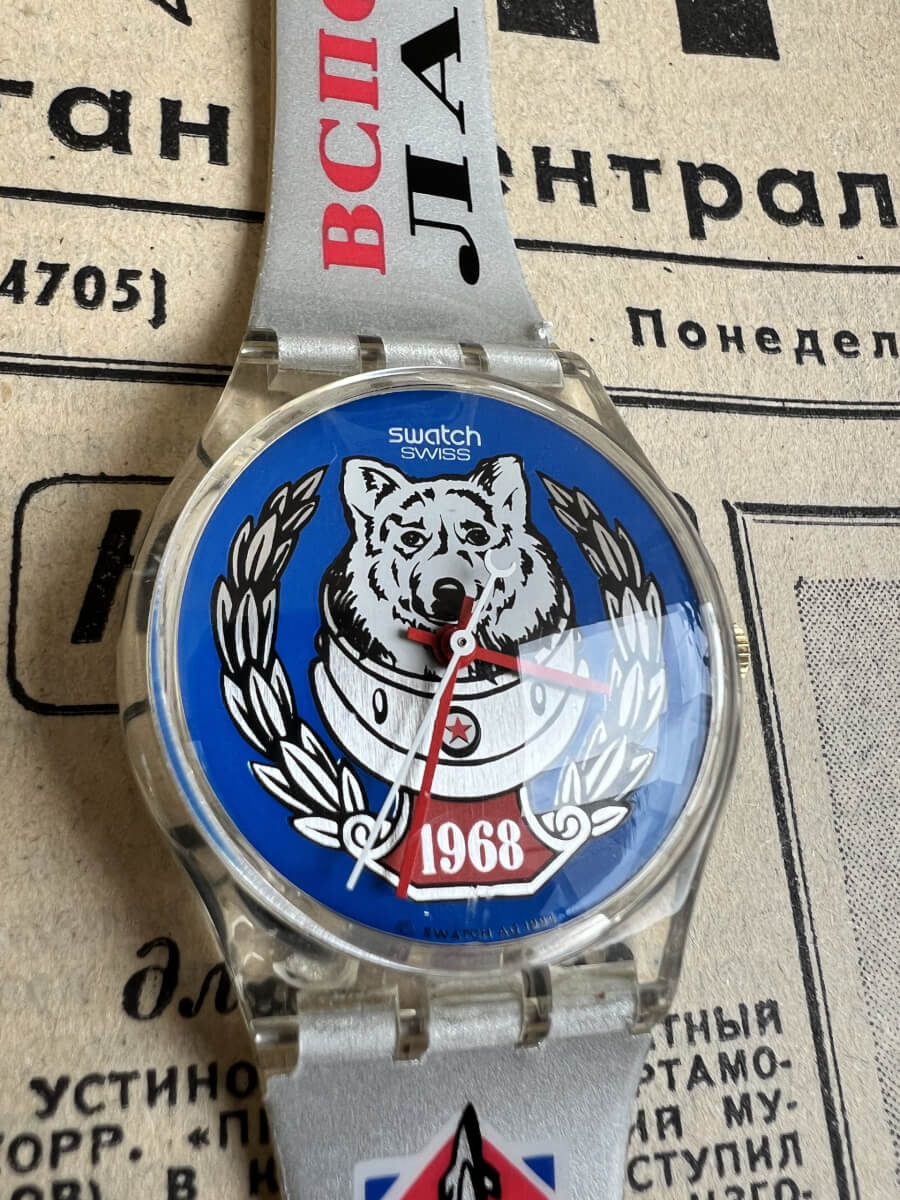
In 1994 Swatch brought out a watch in tribute to Laika. The dial carries the date 1968, although the dog flew in November 1957.
Swatch “Laika”, 1994, with its wrong date.
France: earthenware, biscuits, accordion
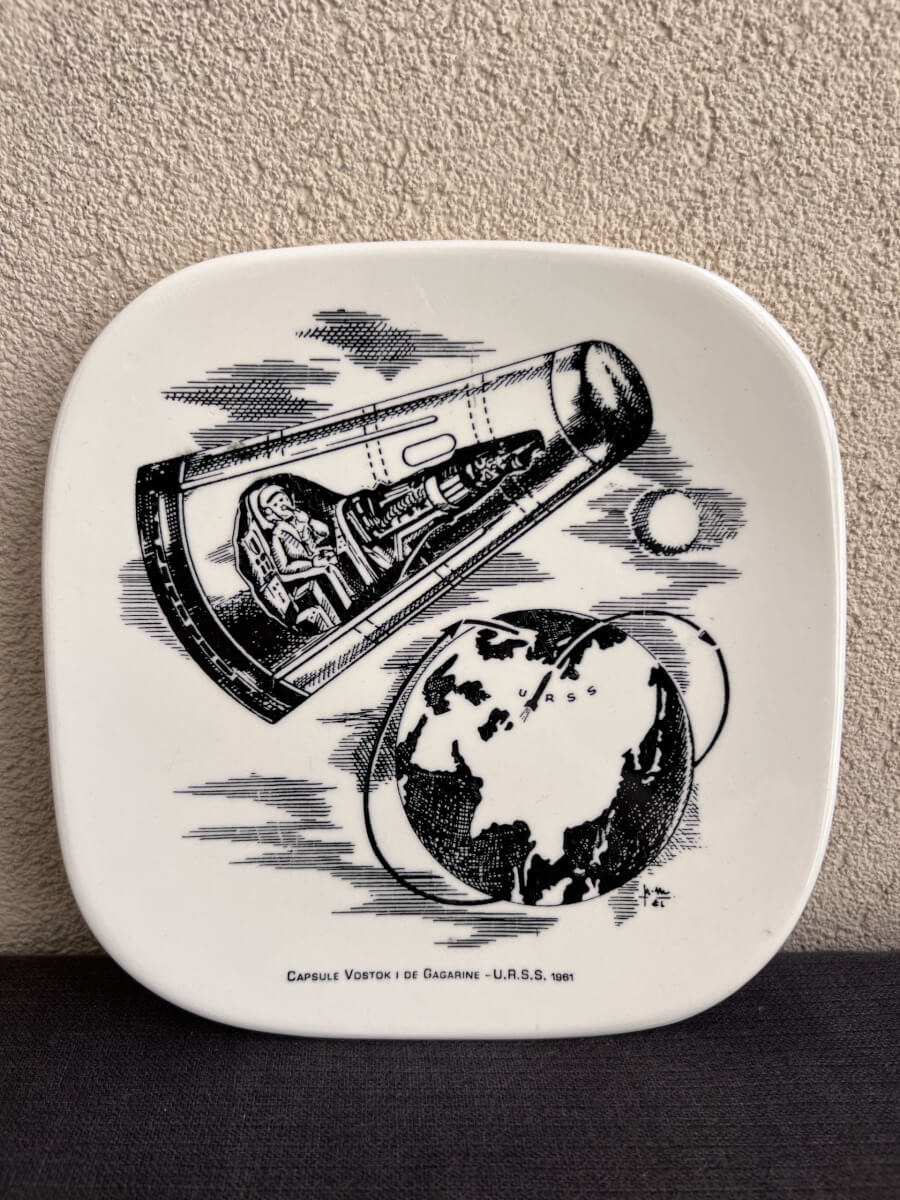
Plate by the Gien pottery: « Capsule Vostok 1 de Gagarine, U.R.S.S. 1961 ».
The Gien pottery issued a set of plates on the American and Soviet space feats. The one in our shop shows Gagarin in his capsule above the Earth, with the caption « Capsule Vostok 1 de Gagarine, U.R.S.S. 1961 ».
The accordion players were the quickest. André Verchuren recorded « Spoutnik », a galop by Hector Delfosse, for Festival in 1958. Yvette Horner released « Le Spoutnik » on Pathé the same year. A compilation called « Spoutnik-Party » came out in 1958, opening with a « Spoutnik Mambo ». In 1959 came « Lunik surprise-partie » on Columbia, for the Soviet lunar probes. In 1963 Pathé released « Jerrari fi Spoutnik » by the Tunisian singer Mohamed Jerrari.
After Gagarin’s flight, Le Chant du Monde issued « Le Tour du monde en 108 minutes par Youri Gagarine » (Around the world in 108 minutes) in 1961. In 1963 the magazine of the Union des femmes françaises gave its readers a record carrying a message from Valentina Tereshkova to the women of France.
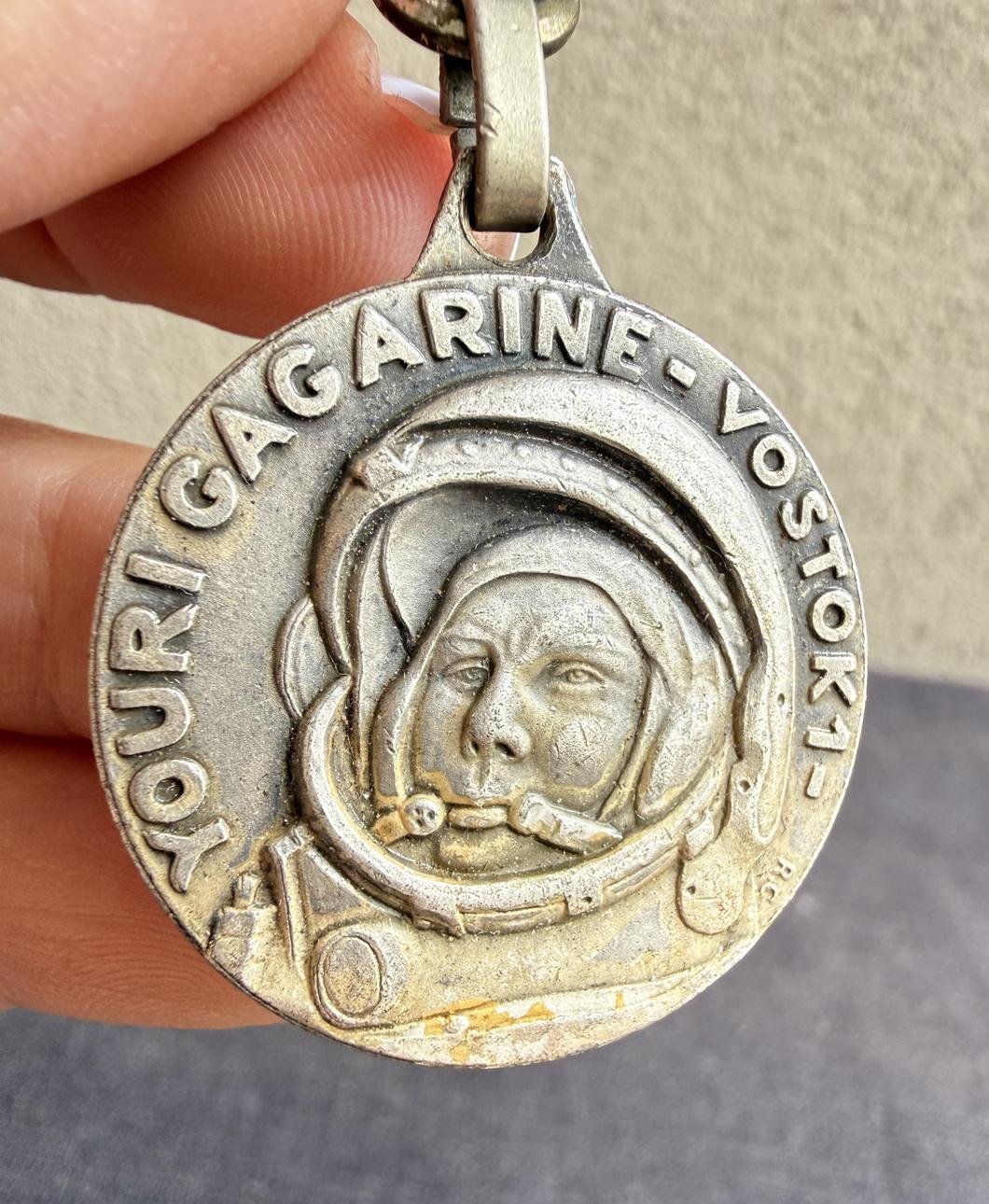
Biscuits BN key ring: Yuri Gagarin, Vostok 1.
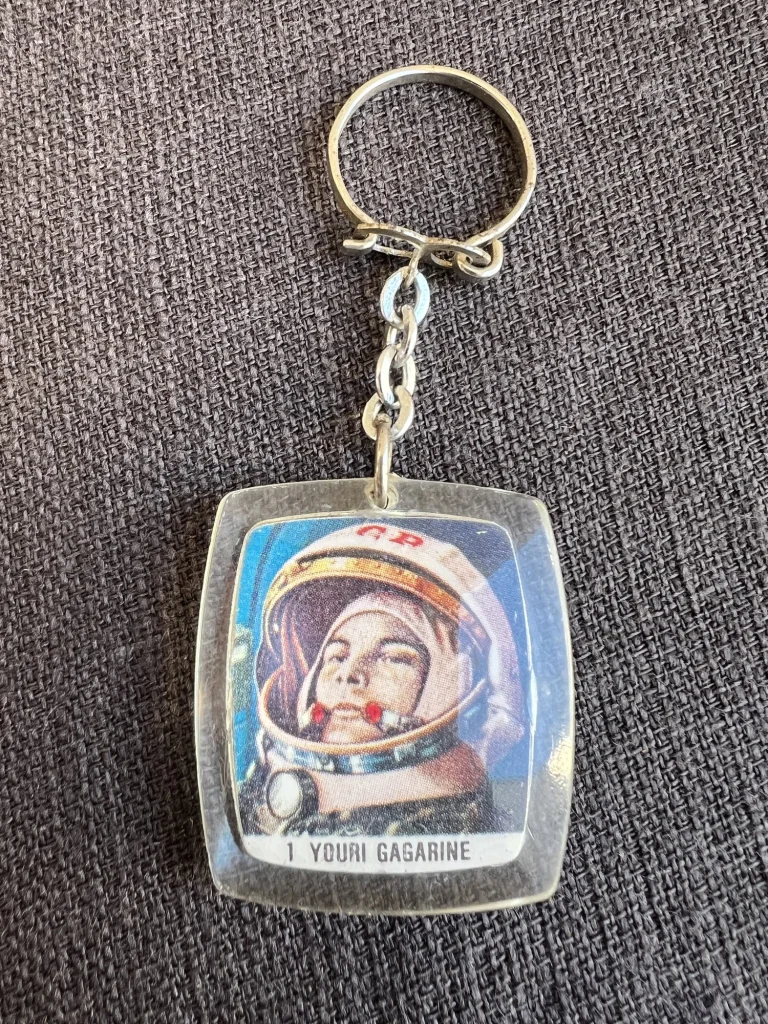
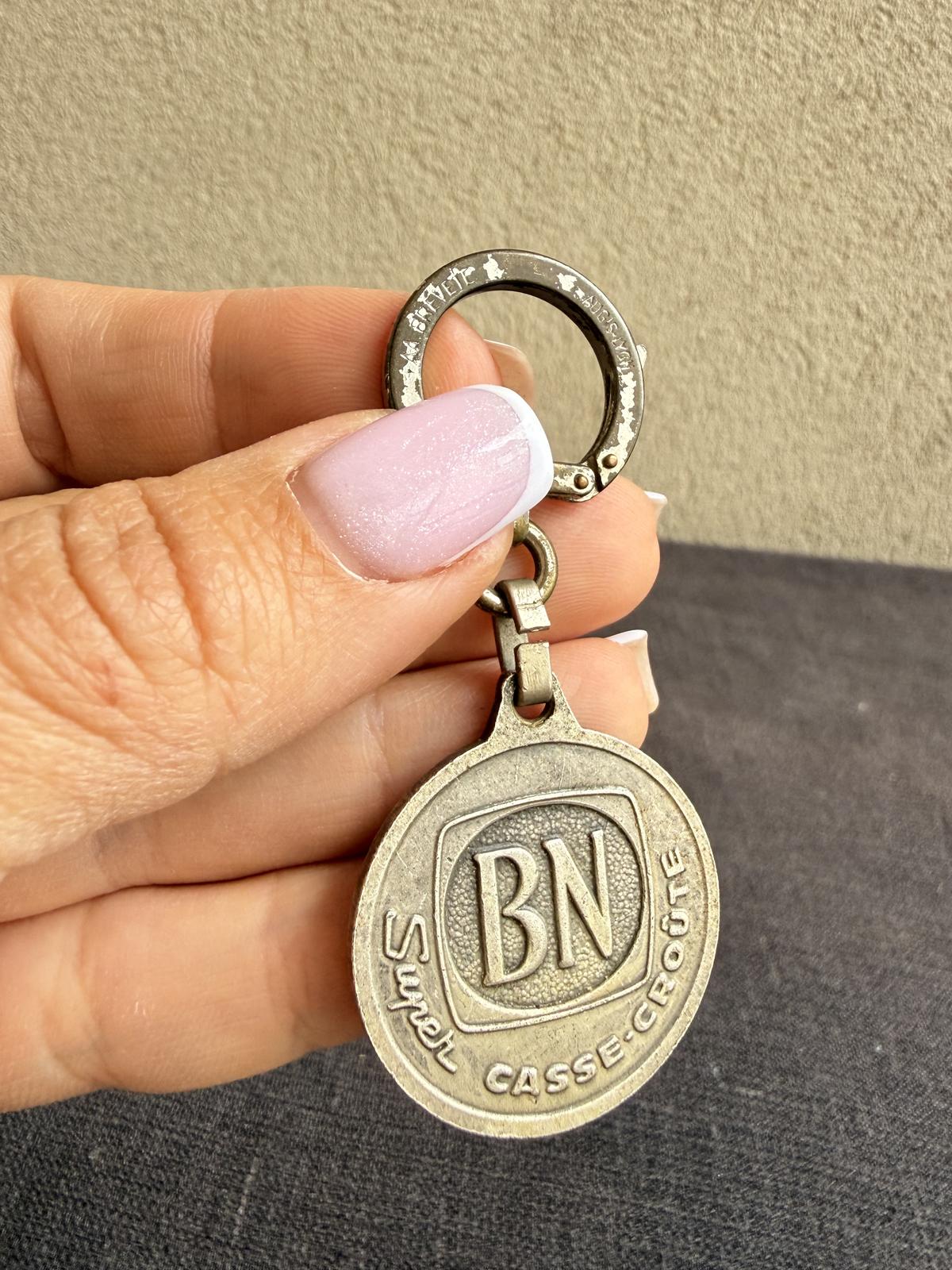
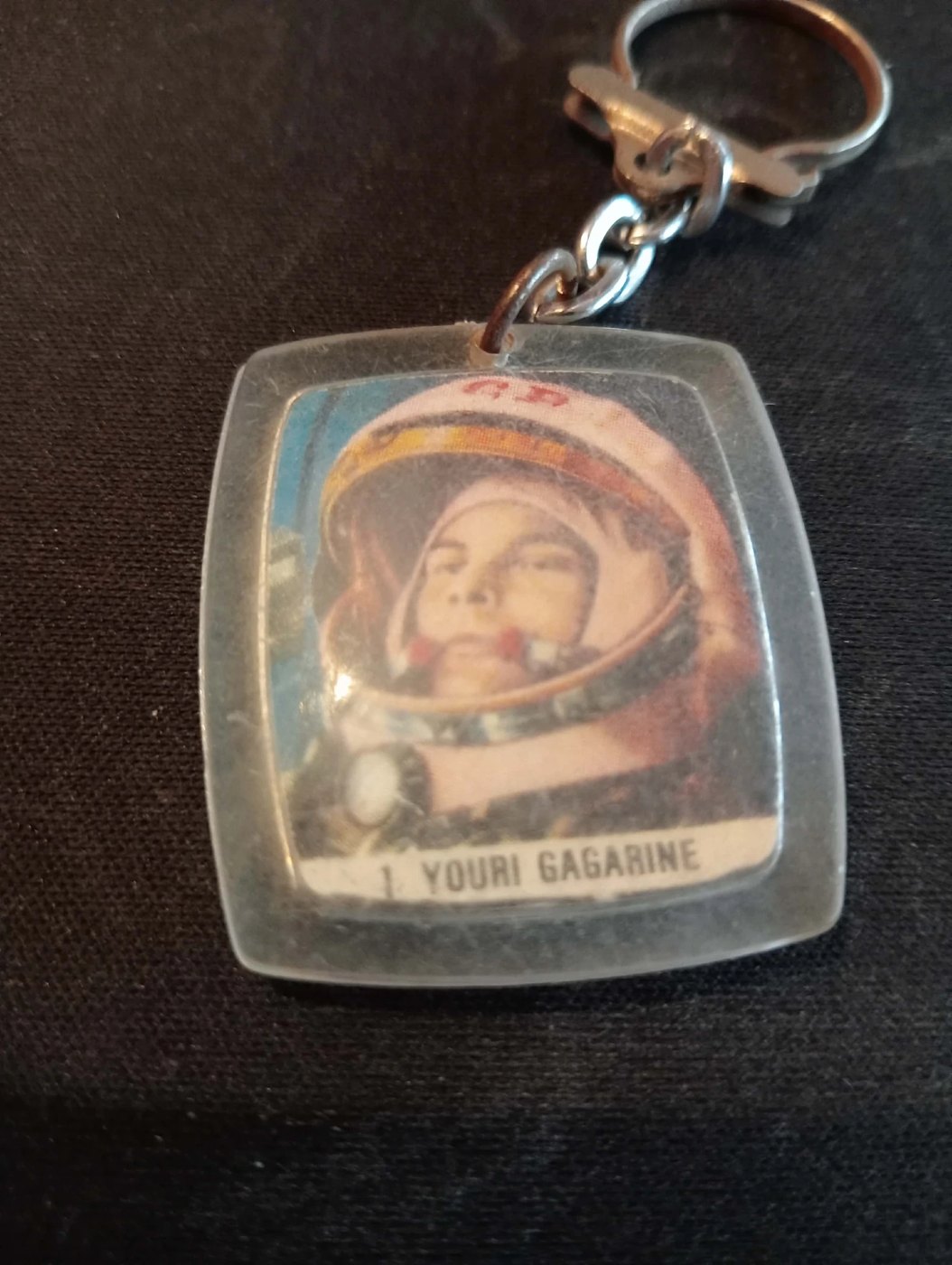
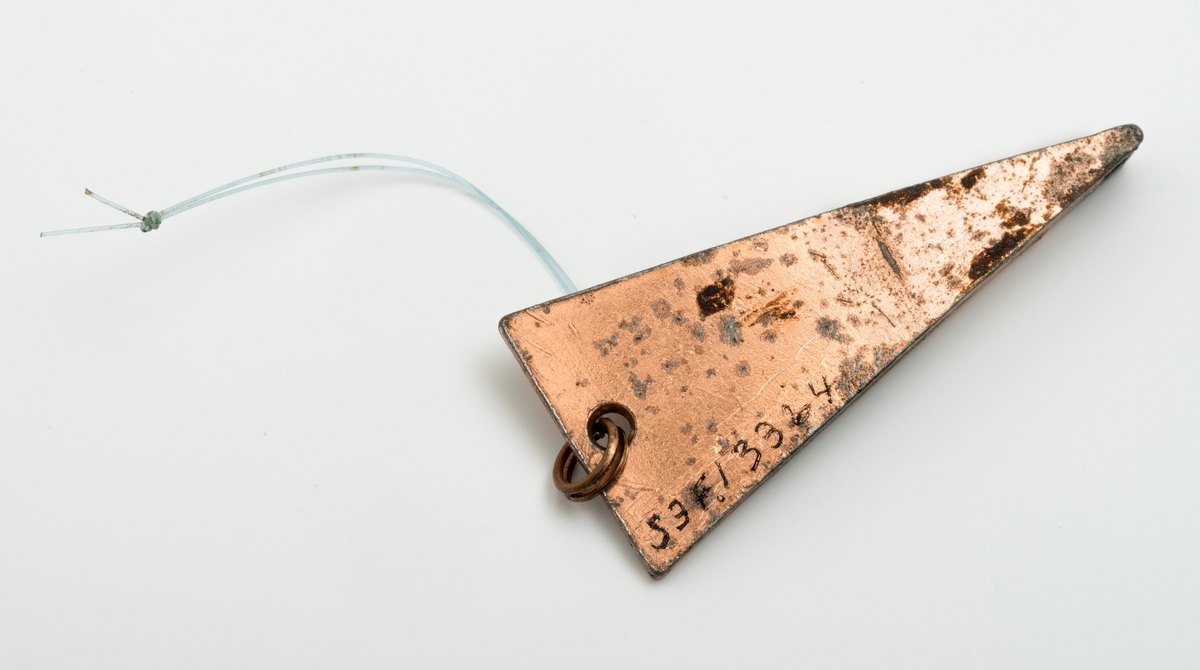
The 1960s were the golden age of the promotional key ring in France. The Biscuiterie Nantaise, maker of BN biscuits, issued a set of twelve « BN Super Casse-Croûte » key rings devoted to the men of space. Gagarin is number 1. The set includes four other Soviets, Titov, Nikolayev, Tereshkova and Leonov, and seven Americans, from Shepard to Lovell.
The reverse: « BN Super Casse-Croûte ».
The set cannot be earlier than December 1965, the date of the first flight of Borman and Lovell, who are part of it. One collector places it in 1969. The ring carries the mark of the Lyon maker Augis. At the height of the Cold War, a French biscuit brand put Soviet cosmonauts and American astronauts on the same footing, and gave number 1 to the Soviet.
Another BN key ring showing Gagarin, in plastic. Photo Bro-Kant.
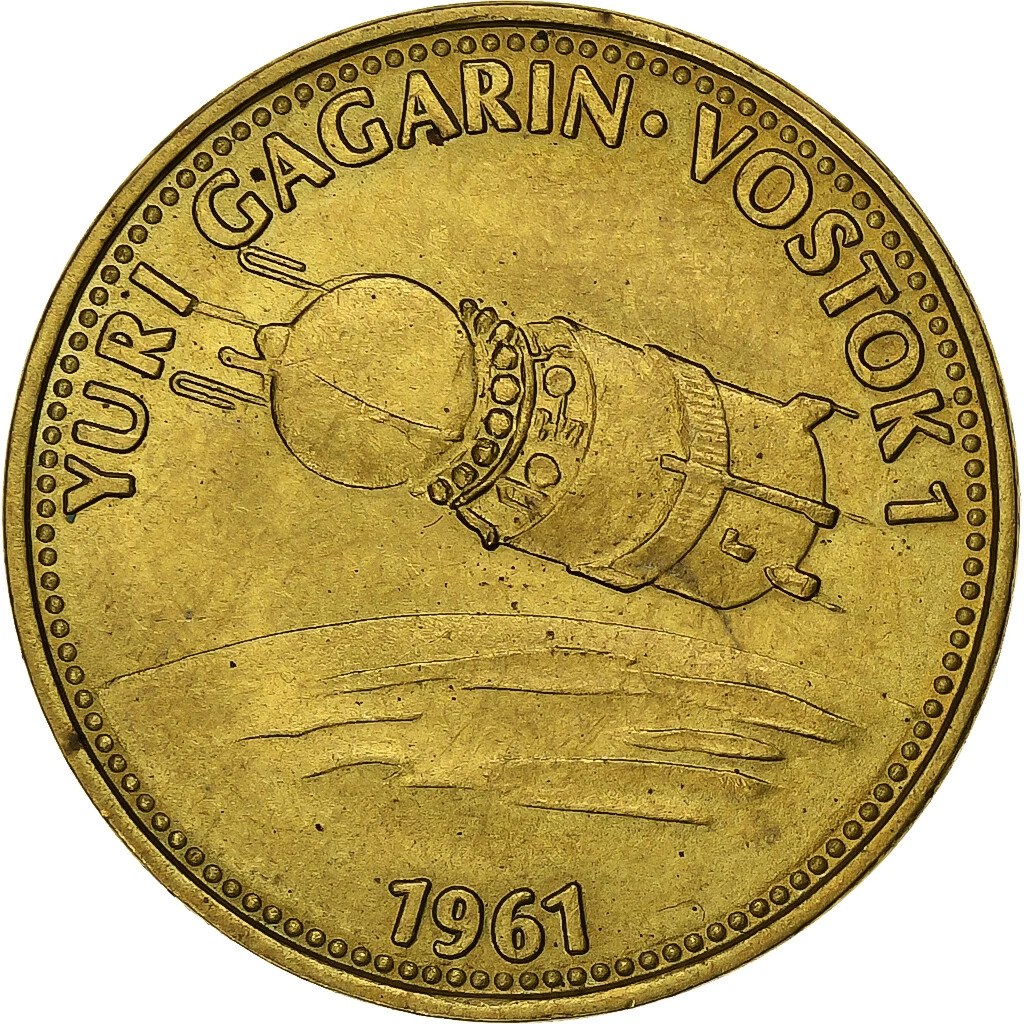
In 1969 Shell petrol stations handed out “Man in Flight” tokens, « L’épopée de l’espace » in France. They include Sputnik 1, Gagarin and Vostok 1, Leonov and Voskhod 2. The same set exists in the United Kingdom and Denmark.
Shell token “Yuri Gagarin, Vostok 1, 1961”, 1969.
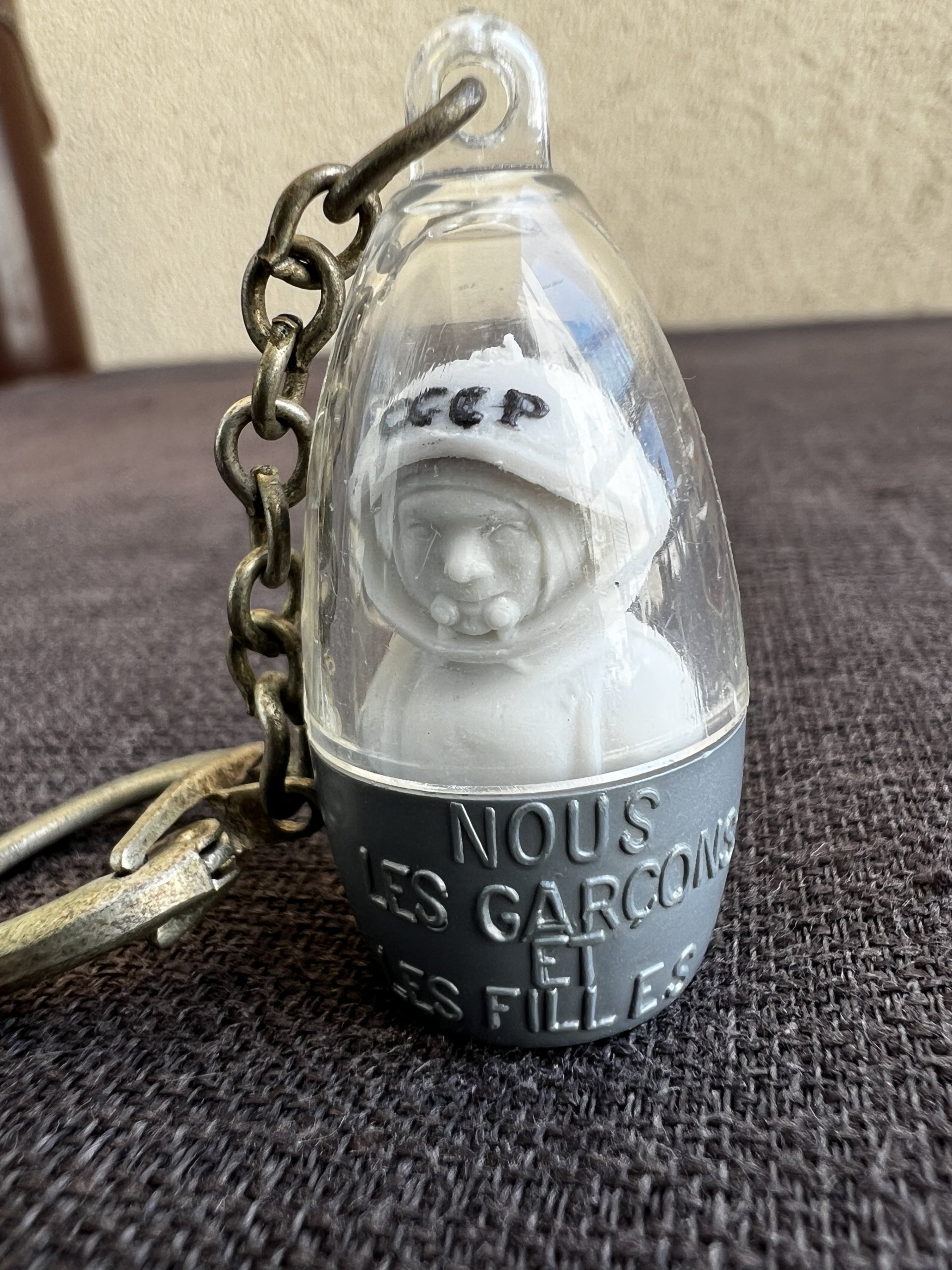
Capsule key ring: Gagarin, helmet marked CCCP.
Another key ring shows a bust of Gagarin under a clear dome, the helmet marked CCCP. Its base carries the words « Nous les garçons et les filles » (We the boys and the girls) and « modèle déposé » (registered design). This is in all likelihood the title of the Communist youth magazine launched in 1963.
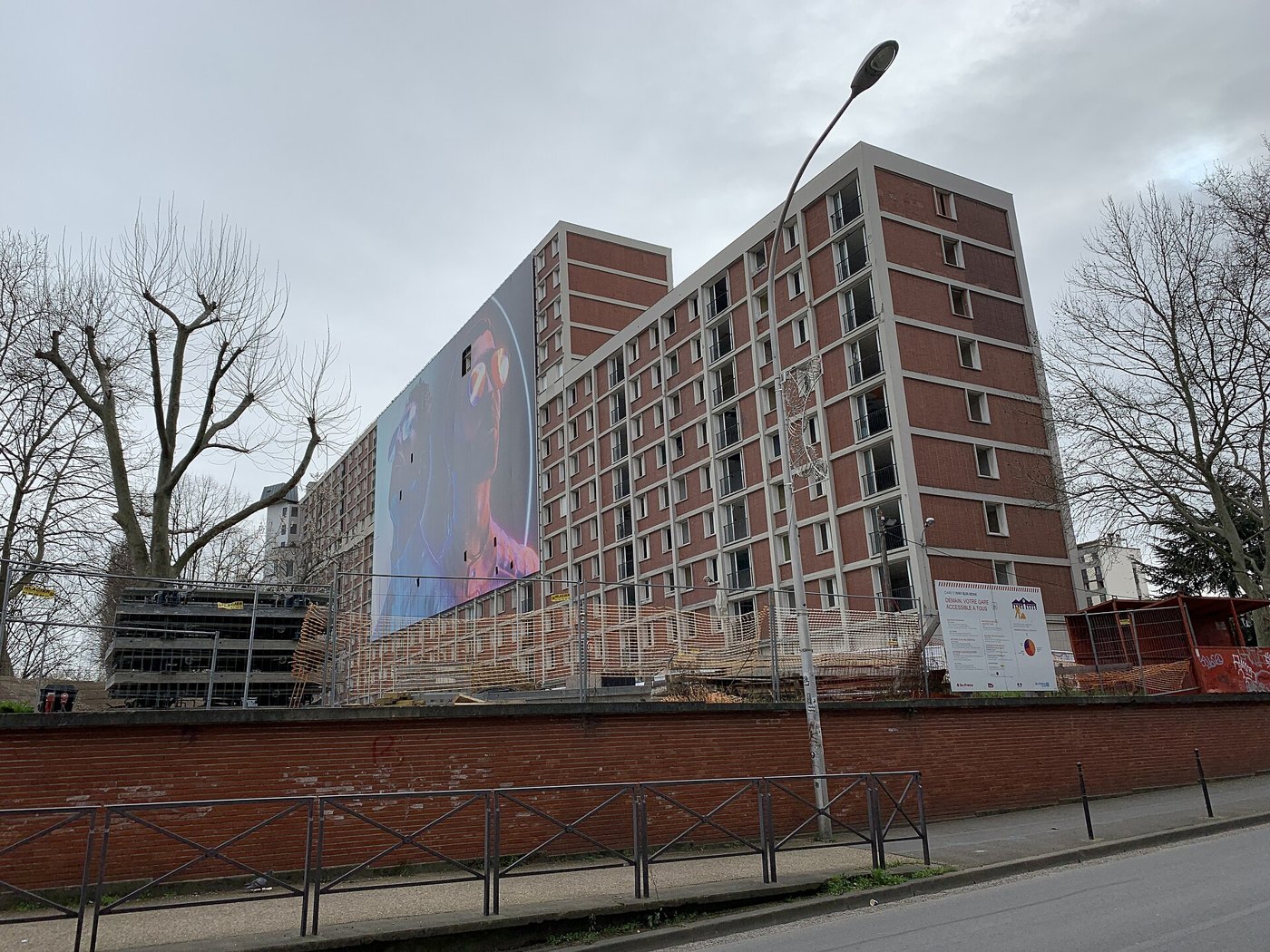
The Cité Gagarine in Ivry-sur-Seine in February 2020, during its demolition. Photo Chabe01, Wikimedia Commons, CC BY-SA 4.0.
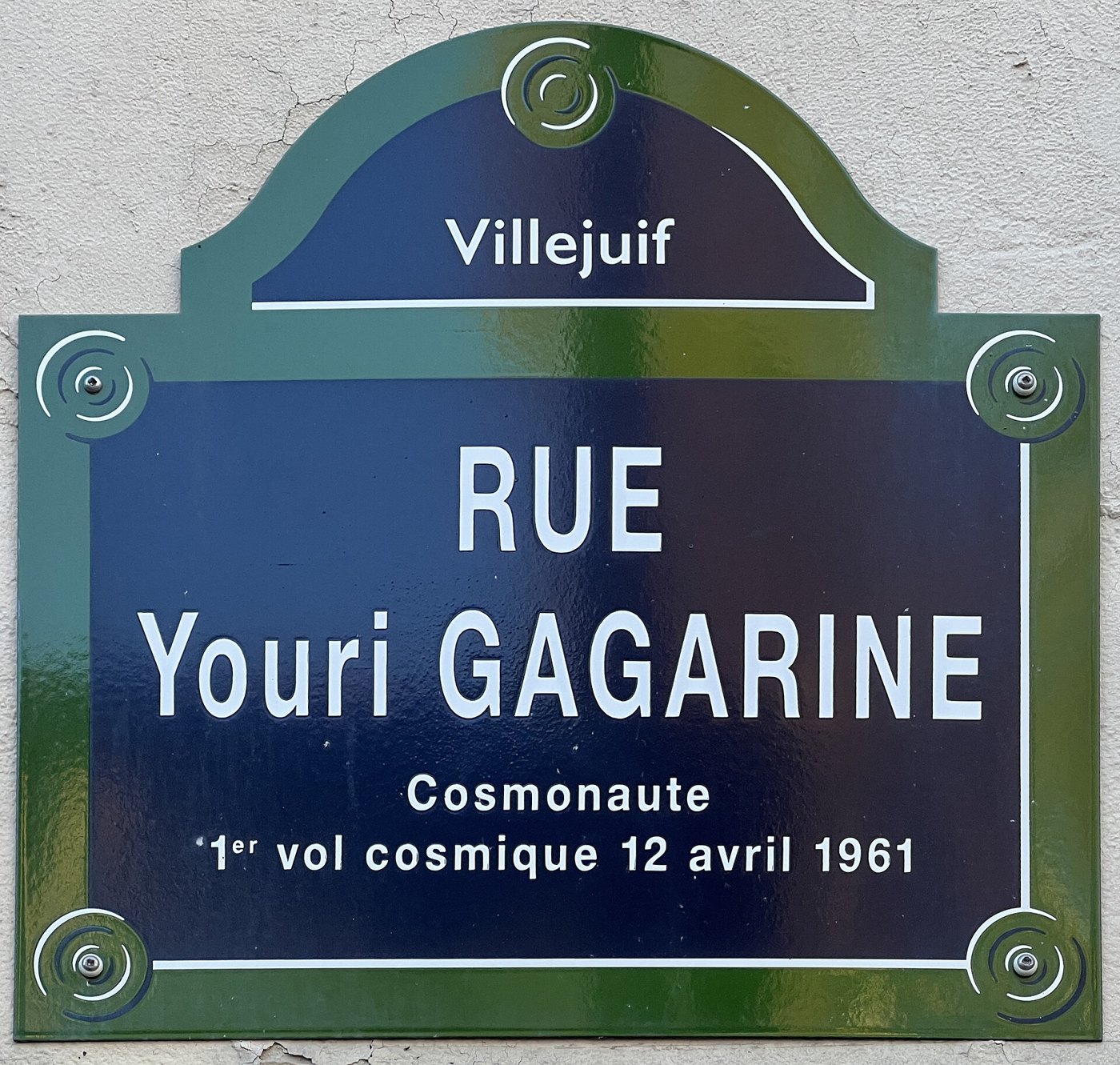
Gagarin came to France three times: in 1963, in 1965 for the Paris Air Show at Le Bourget, and in 1967. On 30 September 1963 he spent an hour and a half in Ivry-sur-Seine, on the housing estate that had carried his name since 1961. It was demolished in 2019 and 2020. In 1965 he went home with a Matra Djet sports car. Streets, schools and gymnasiums still carry his name, mostly in the towns of the “red belt” around Paris.
Street sign of the Rue Youri-Gagarine in Villejuif. Photo Chabe01, Wikimedia Commons, CC BY-SA 4.0.
Italy: a light fitting, records, a caravan
The Milan firm Stilnovo dates its “Sputnik” pendant light to 1957: a brass sphere bristling with sixteen arms. Nilla Pizzi recorded « Sputnik Musicale » for RCA Italiana in December 1957. In 1961 Cetra released « Voci dal cosmo », a record of the signals of Sputnik 1, Lunik 3 and Vostok picked up in Turin by the Judica-Cordiglia brothers. The same year the newspaper L’Unità gave its subscribers the record « Verso le stelle ».
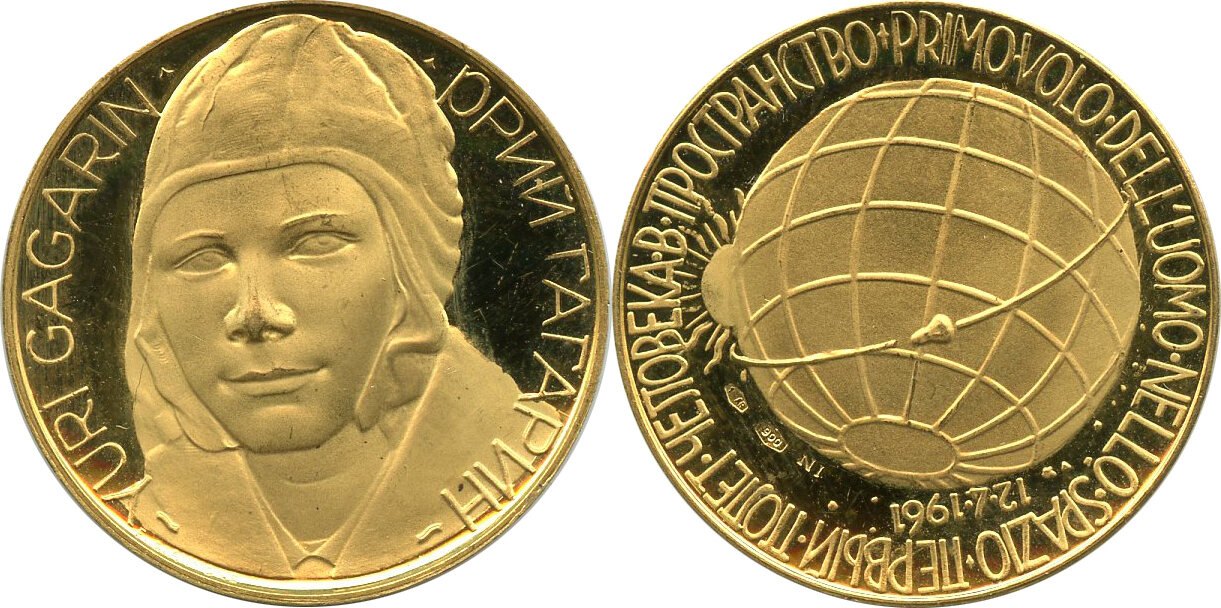
Also in 1961, Numismatica Italiana of Milan struck a gold medal with a bust of Gagarin and Vostok on the reverse. In 1964 a Tuscan caravan maker named his brand Laika. It still exists.
The chandelier that dealers call “Sputnik” is, by contrast, a false friend. This fitting with radiating arms by Gino Sarfatti existed before the satellite: the design dates from 1939 and he called it “fireworks”. The name came later.
West Germany: toys and the fairground
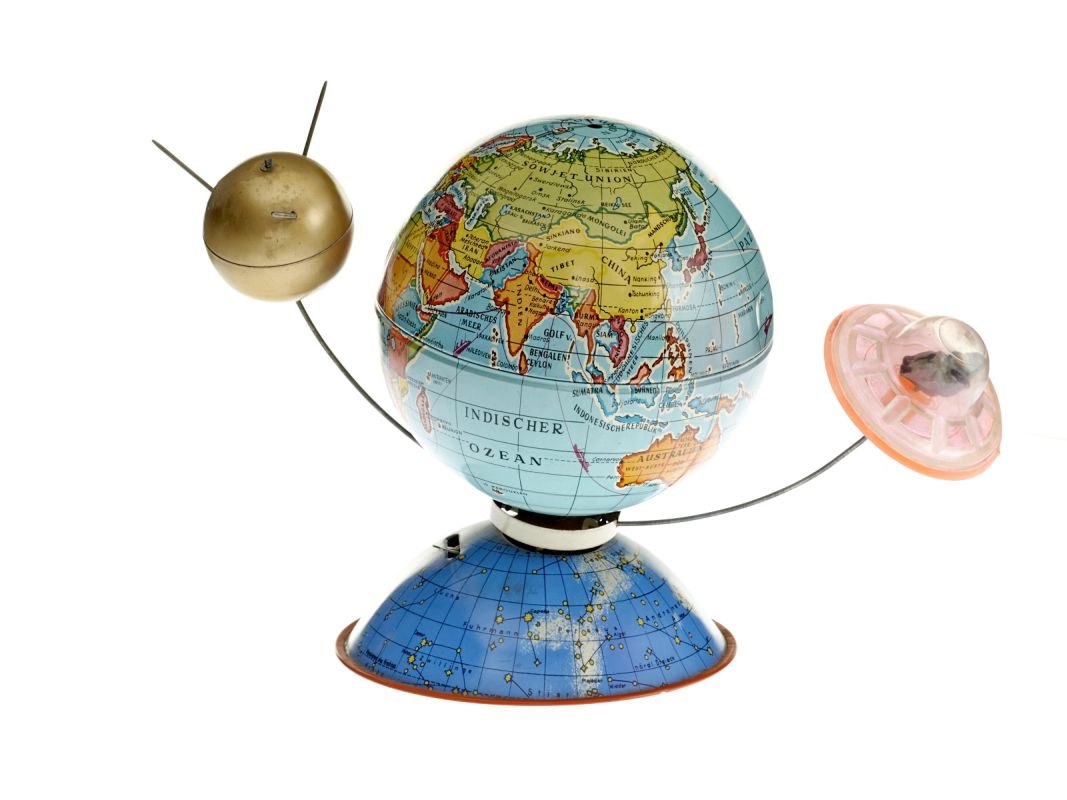
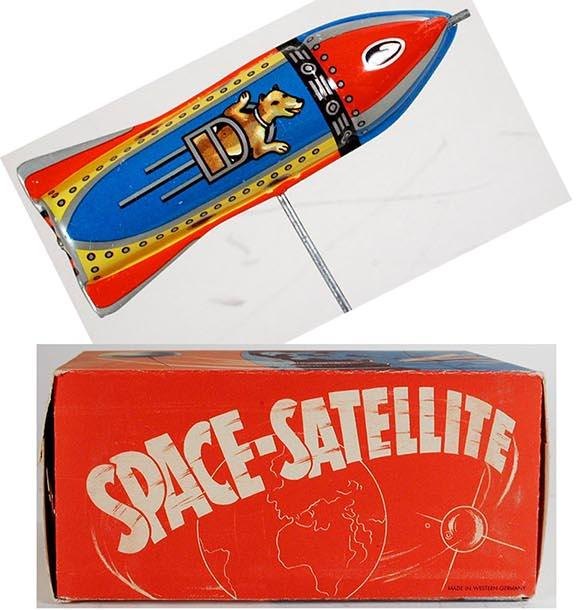
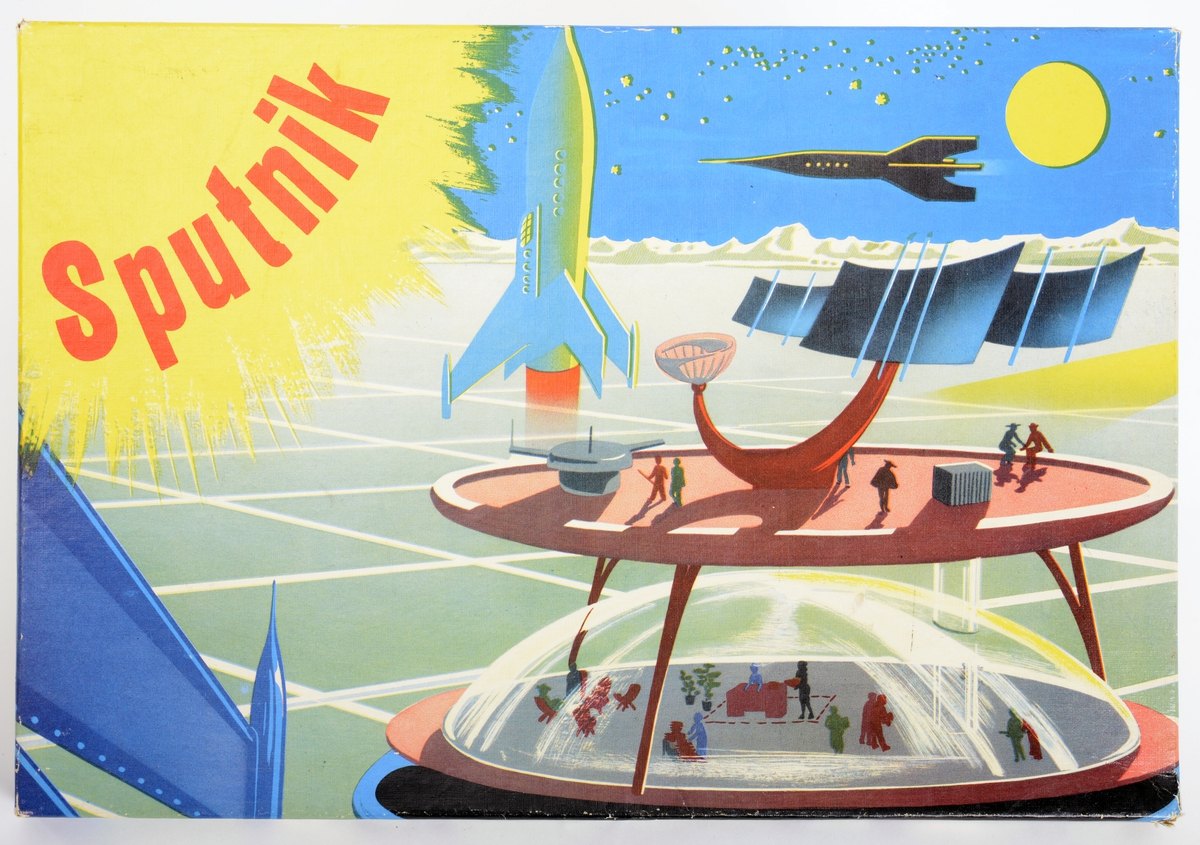
In Fürth, the toy maker Gama brought out in 1957 a tin globe with a Sputnik circling it. It is kept at the Haus der Geschichte in Bonn. In Nuremberg, Philipp Niedermeier sold the “Space-Satellite” in 1958: two satellites turn around the Earth, and a dog is shown in the second.
Gama globe with Sputnik, Fürth, 1957. Stiftung Haus der Geschichte, EB-Nr. 1993/01/016, photo Axel Thünker.“Space-Satellite” by Philipp Niedermeier, Nuremberg, 1958: the rocket with the dog and its box. Photo Grand Old Toys.
In 1958 the builder Anton Schwarzkopf delivered a fairground ride named “Sputnik”. It was scrapped in the early 1970s. On record, Trude Herr sang « Der Sputnik » for Philips as early as 1957, and Ralf Bendix recorded « Sputnik-Rock » for Electrola in 1958.
Scandinavia: a fake Sputnik and a fishing lure
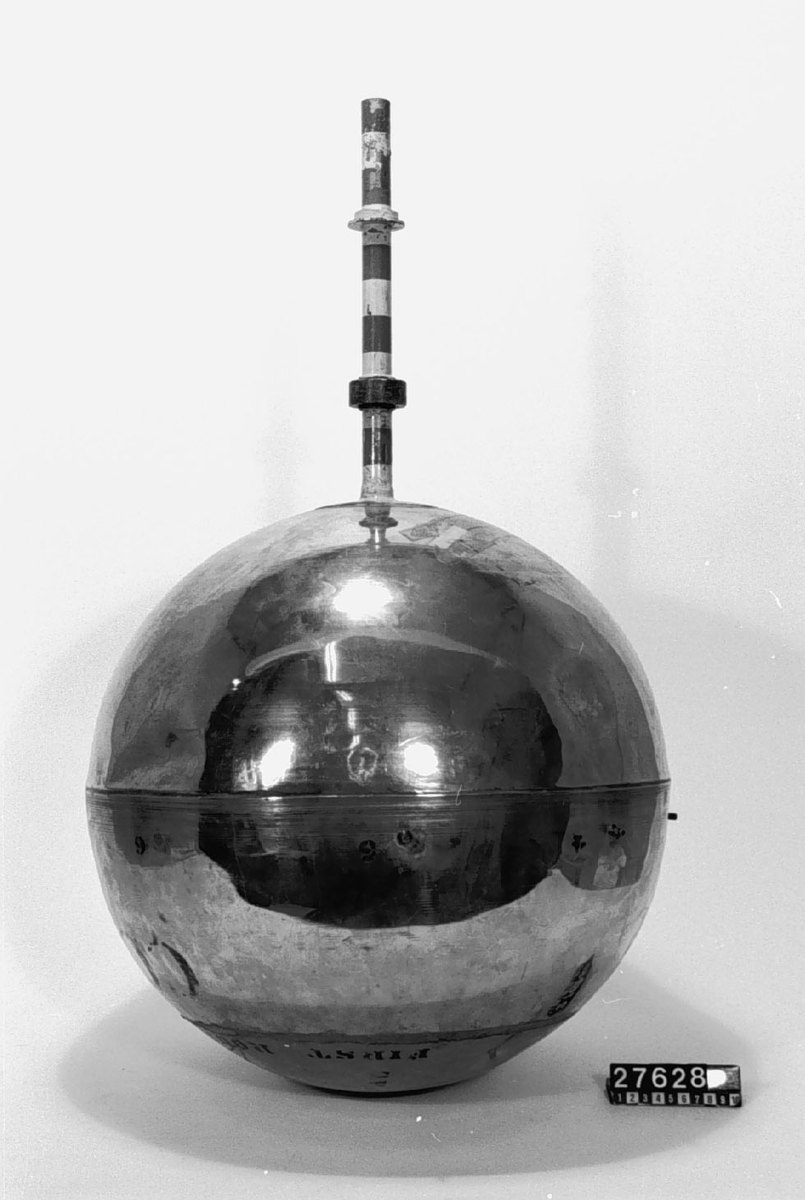
The fake Sputnik made by Stockholm students, 4 October 1957. Tekniska museet, TEKS0029821, CC BY.
On the very evening of 4 October 1957, students of the Royal Institute of Technology in Stockholm made a fake Sputnik out of sheet metal. Stockholm’s museum of technology keeps it, together with the receipt from the police lost property office. Three days later, on 7 October, a jazz band in Stockholm recorded a piece called “Sputnik”.
In Norway, a dice game called « Sputnikk spill » moves rocket-shaped counters. The firm Sølvkroken sold an ice-fishing lure named “Sputnik”, of which a museum example is dated 1960. The Norwegian « Sputnik-Polka » dates from 1963.
Norwegian game « Sputnikk spill ». DigitaltMuseum, CC BY-NC-SA.“Sputnik” fishing lure by Sølvkroken. DigitaltMuseum, CC BY-ND.
United Kingdom: the foundry workers of Manchester
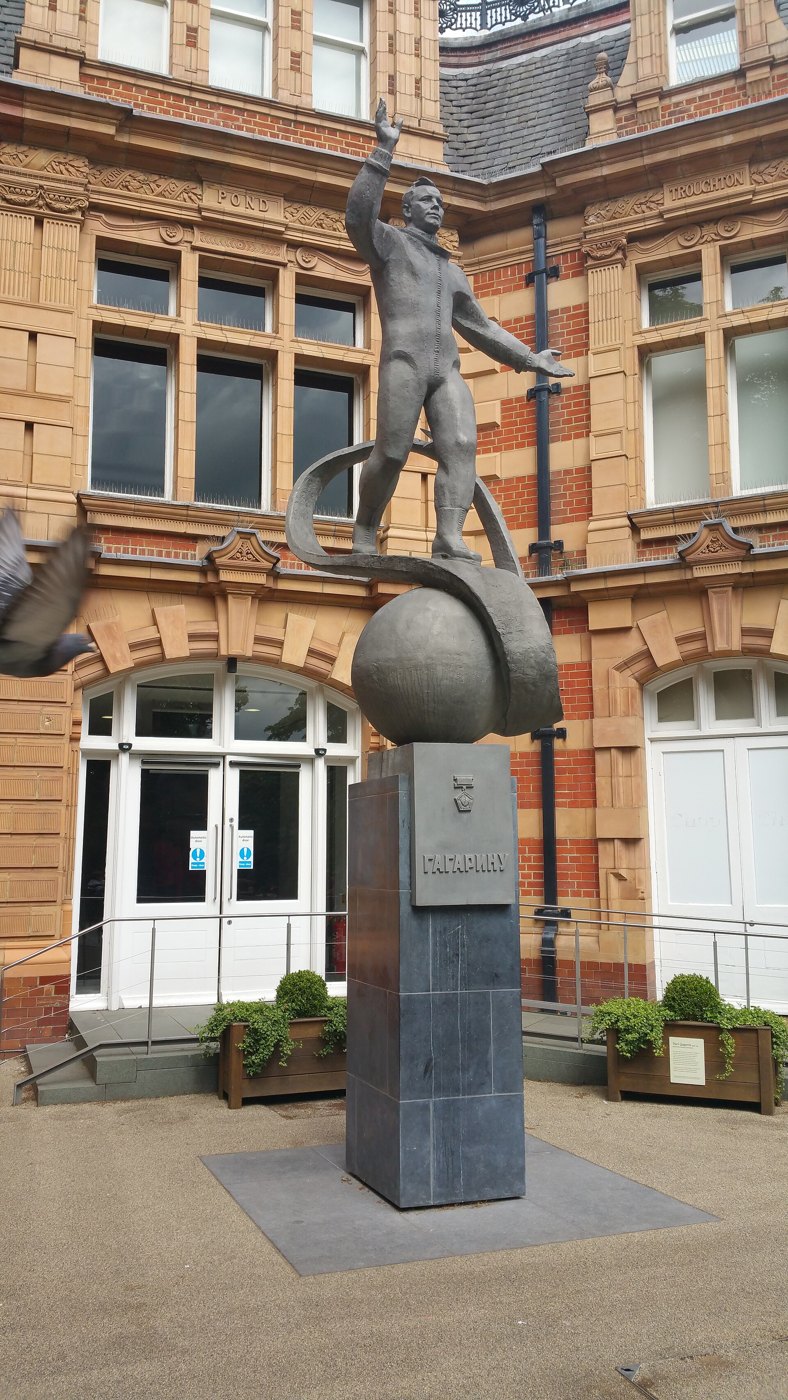
The statue of Gagarin at the Royal Observatory, Greenwich. Photo JRennocks, Wikimedia Commons, CC BY 4.0.
Gagarin arrived in the United Kingdom on 11 July 1961. The next day he was in Manchester at the invitation of the foundry workers’ union, which gave him a gold medal: he had been a foundry worker before becoming a pilot. He was received by the Queen. London has had his statue since 2011, moved to Greenwich in 2013.
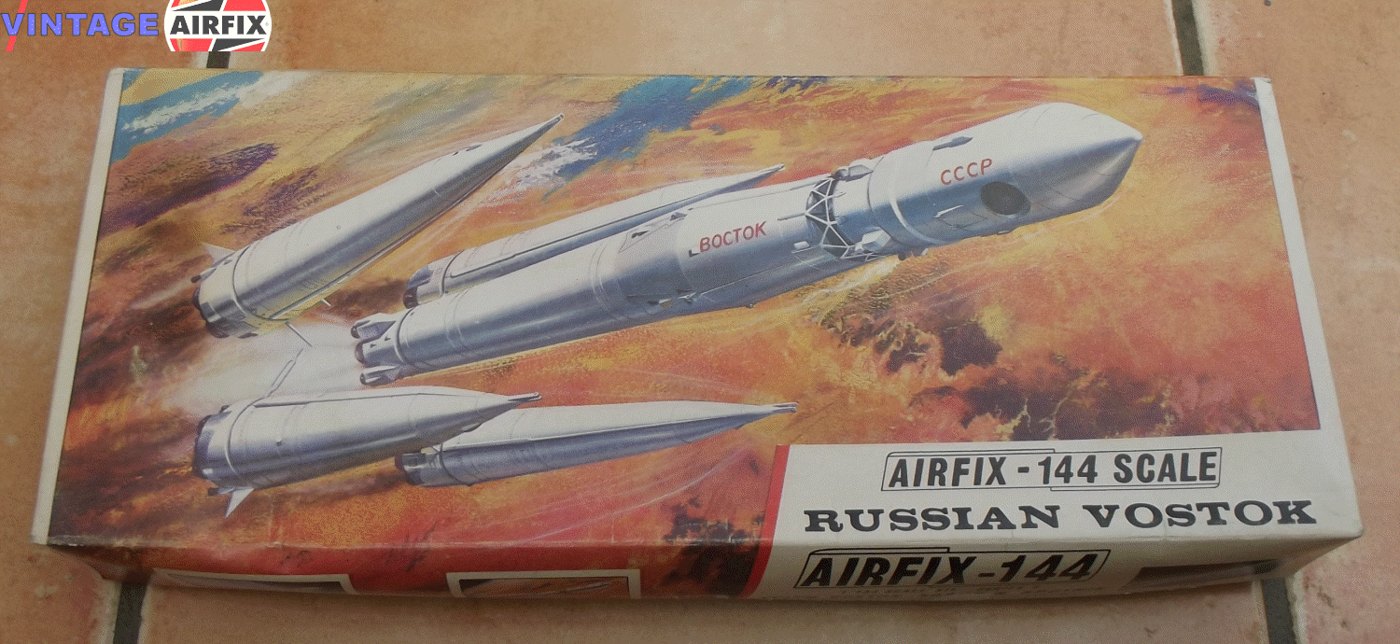
Don Lang recorded “Red Sputnik Rock”. Airfix brought out a 1/144 kit of the Vostok launcher, with a choice of Sputnik, Vostok or Soyuz at the top. It is kept at the Victoria and Albert Museum.
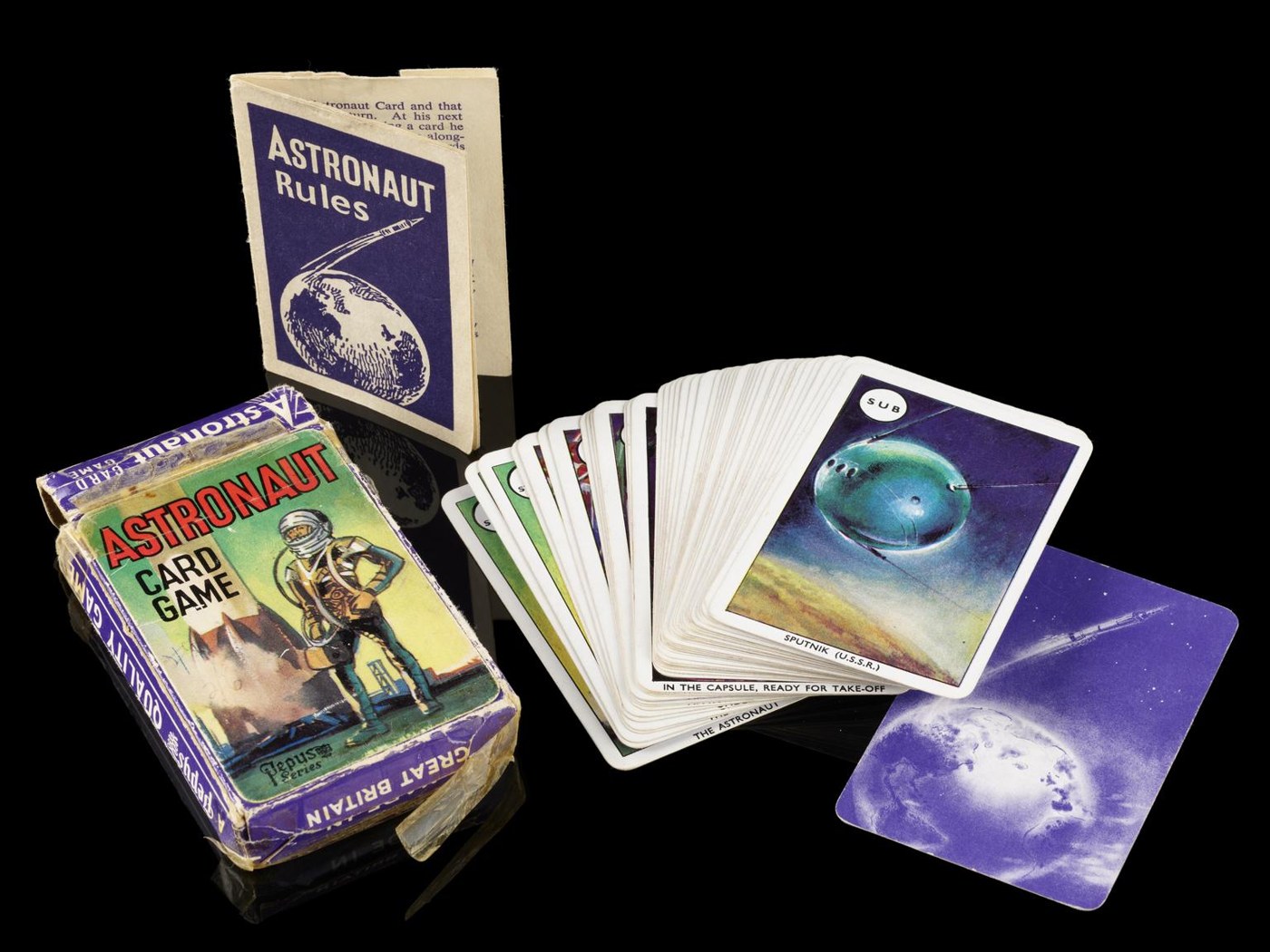
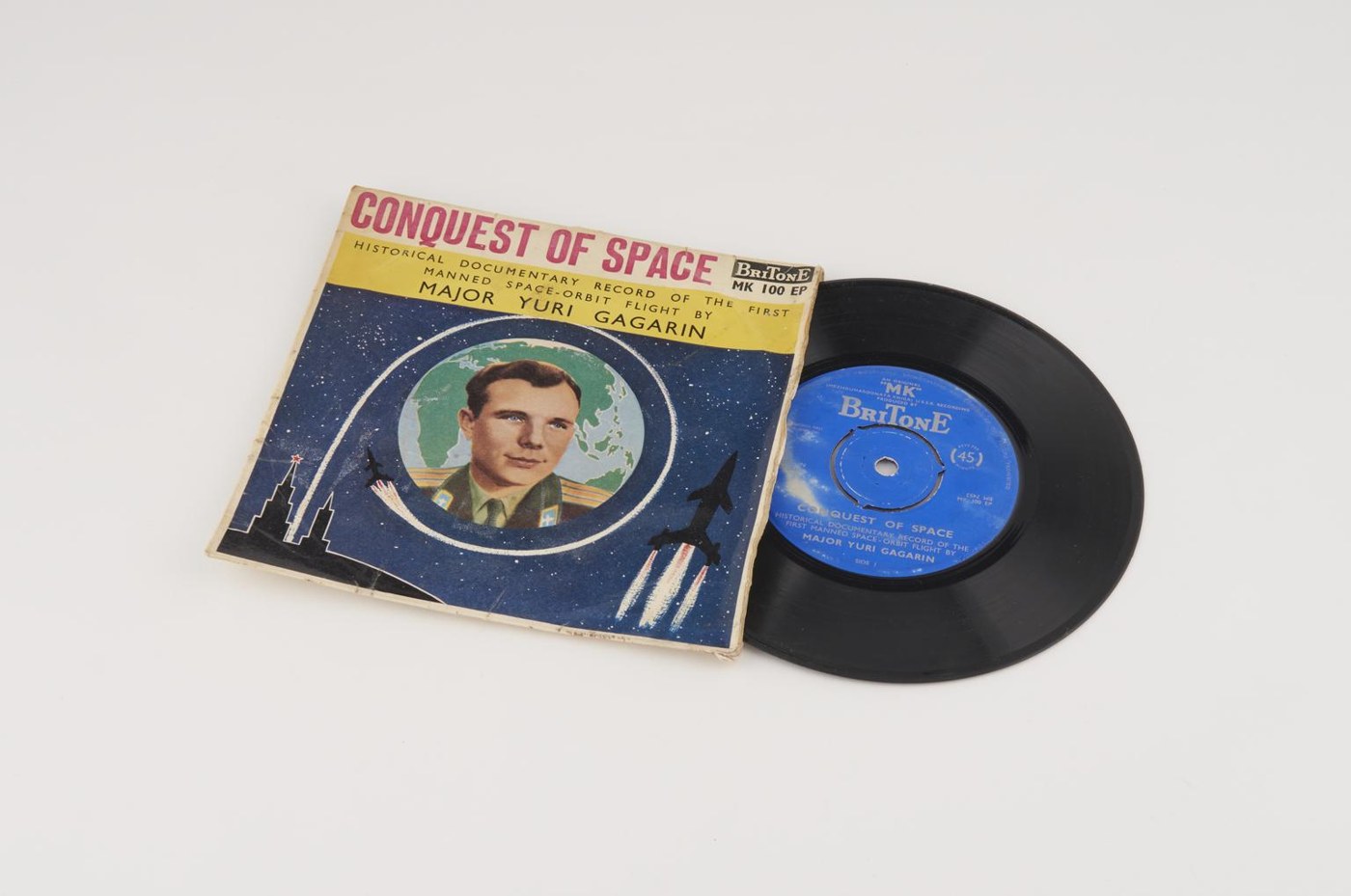
In 1961 the publisher Pepys brought out the card game “Astronaut”, which shows Sputnik and Vostok. The Britone label pressed “Conquest of Space”, a single of Gagarin’s speech.
Pepys “Astronaut” card game, United Kingdom, 1961. Science Museum Group, CC BY-NC-SA 4.0.“Conquest of Space” record, Major Yuri Gagarin, Britone. Science Museum Group.Box of the Airfix 1/144 “Russian Vostok” kit. Photo Vintage Airfix.
United States: bubble gum, jazz and rockabilly
In the United States the surprise produced a craze. Historian Gerard DeGroot lists Sputnik lollipops, doughnuts and burgers, a lamp, a dance and a hairstyle. Topps issued “Space Cards” trading cards as early as 1957: number 1 shows Sputnik 1, number 2 the dog of Sputnik 2. A box of “Sputnik Satellite Bubble Gum” by Leaf is known from sales.
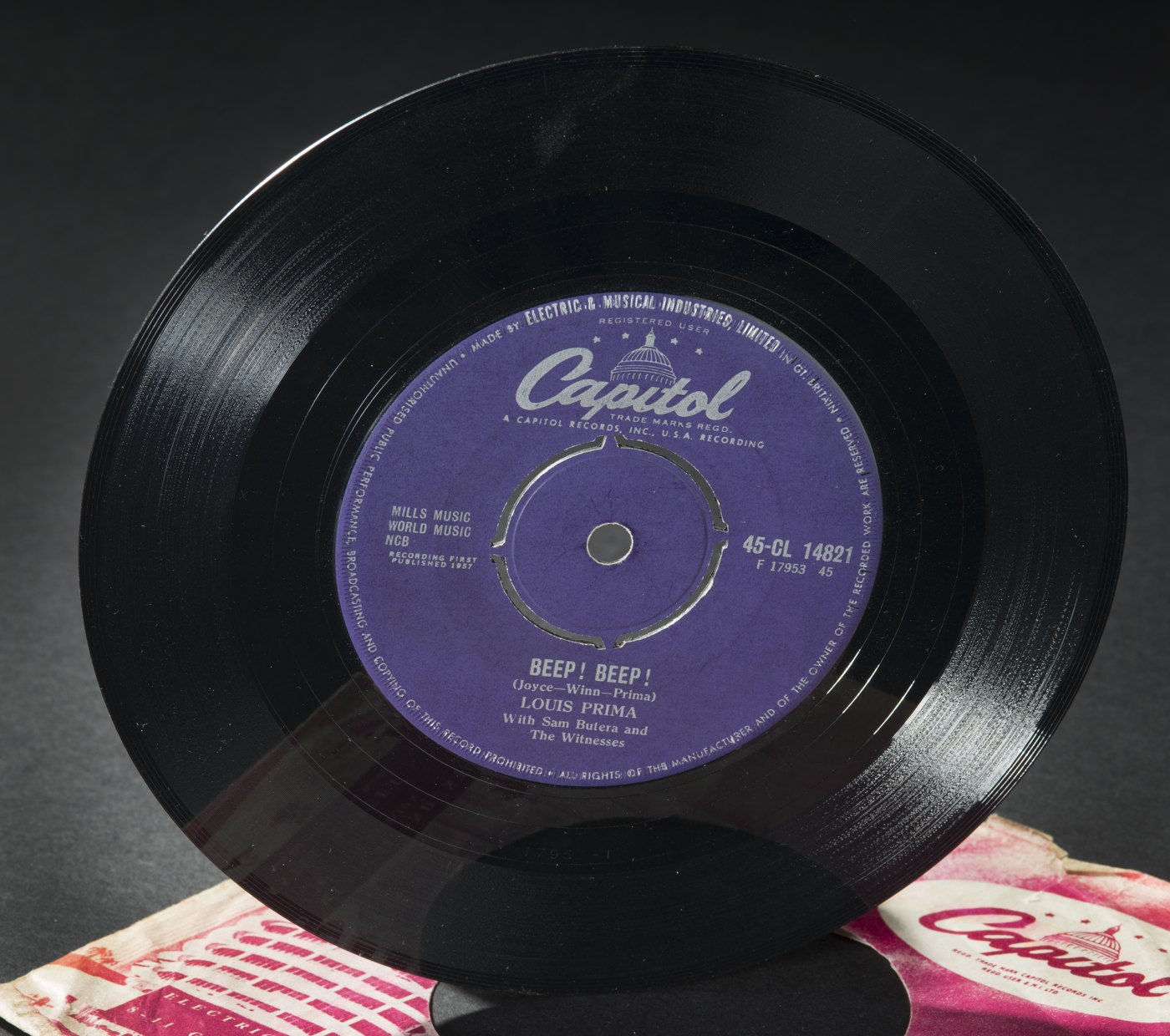
The records are many. Louis Prima sang “Beep! Beep!” for Capitol in 1957. Saxophonist Lou Donaldson recorded “Sputnik” for Blue Note on 15 December 1957. Count Basie played “Muttnik”, the American nickname for Laika, on a 1959 album. Rockabilly followed: “Sputnik (Satellite Girl)” by Jerry Engler, “Sputniks and Mutniks” by Ray Anderson, “Shake It Over, Sputnik” by Billy Hogan, “Sputnik Number Two” by Bobby Bare.
Louis Prima, “Beep! Beep!”, Capitol, 1957. Smithsonian National Air and Space Museum.
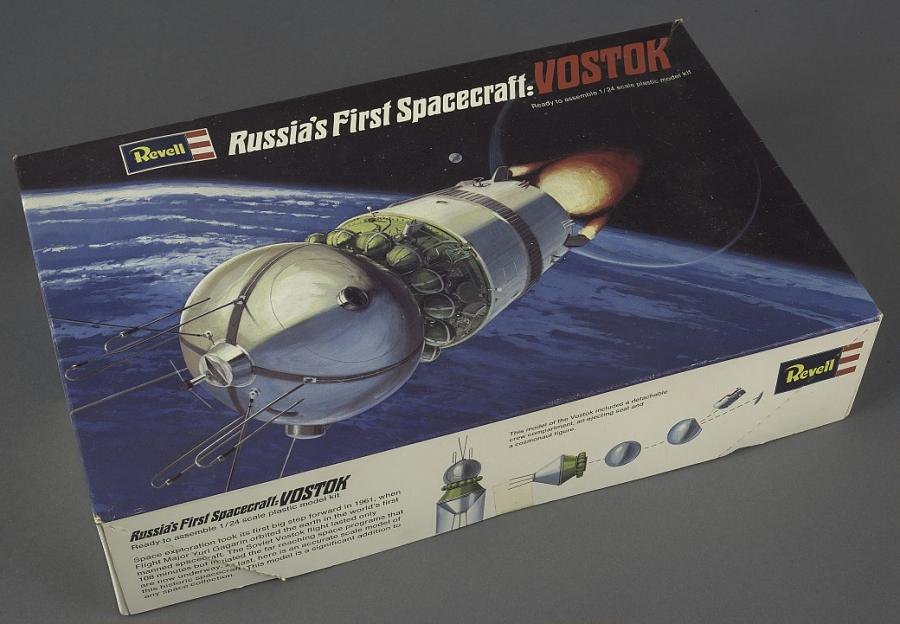
On 2 April 1958, columnist Herb Caen coined the word “beatnik” in the San Francisco Chronicle, modelled on Sputnik. In 1969 Revell released a 1/24 kit of the Vostok.
Revell 1/24 Vostok kit, 1969. Smithsonian National Air and Space Museum, A19850051000.
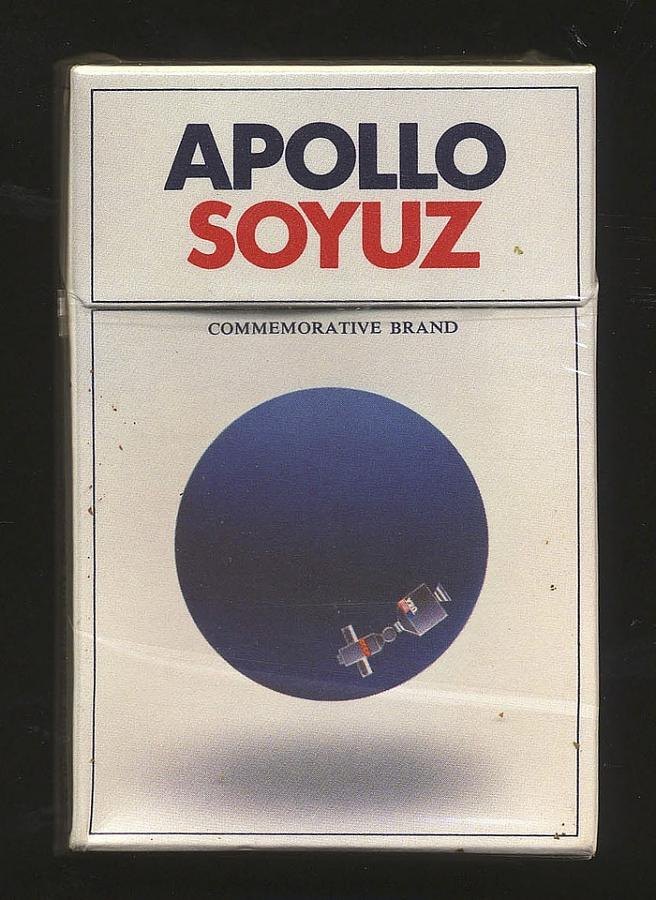
In July 1975 the Apollo-Soyuz meeting produced joint objects. Philip Morris and the Moscow factory Yava sold “Apollo-Soyuz” cigarettes. Revlon launched the cologne “EPAS” with essences from the Soviet house Novaya Zarya. The two postal services issued stamps with twin designs on the same day, 15 July.
“Apollo-Soyuz” cigarettes, 1975. Smithsonian National Air and Space Museum, A19770991000.
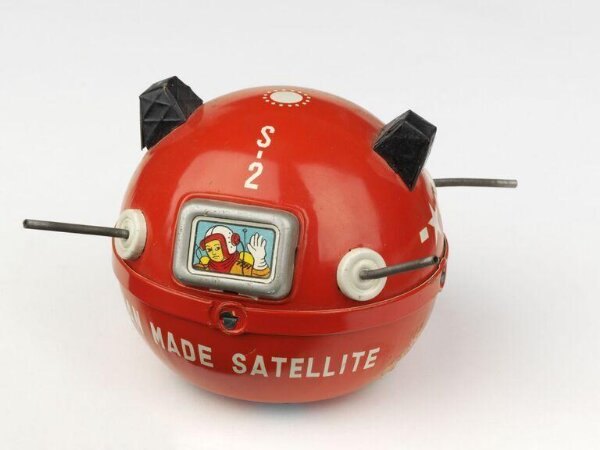
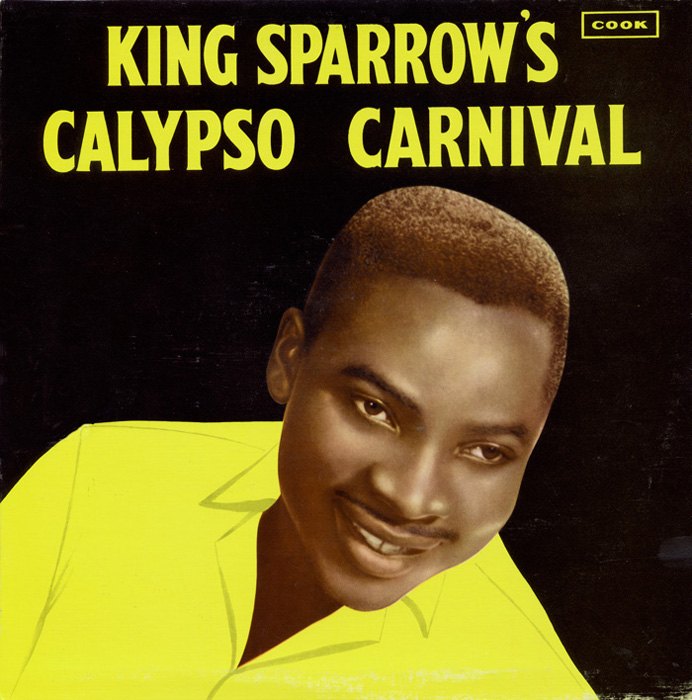
Japan, Brazil, Trinidad, Ajman
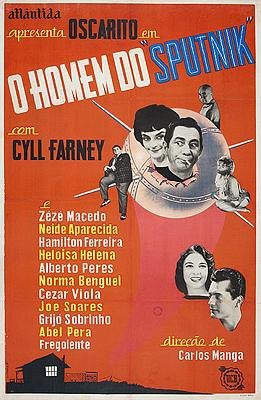
Yonezawa of Japan made a lithographed tin satellite, now in the Victoria and Albert Museum. In Trinidad, the Mighty Sparrow sang “Russian Satellite”, a calypso about Laika. In Brazil, the comedy « O Homem do Sputnik » came out in 1959. In 1968, on Gagarin’s death, the emirate of Ajman issued stamps bearing his portrait. In 1975 Liberia devoted a stamp to Valentina Tereshkova for International Women’s Year.
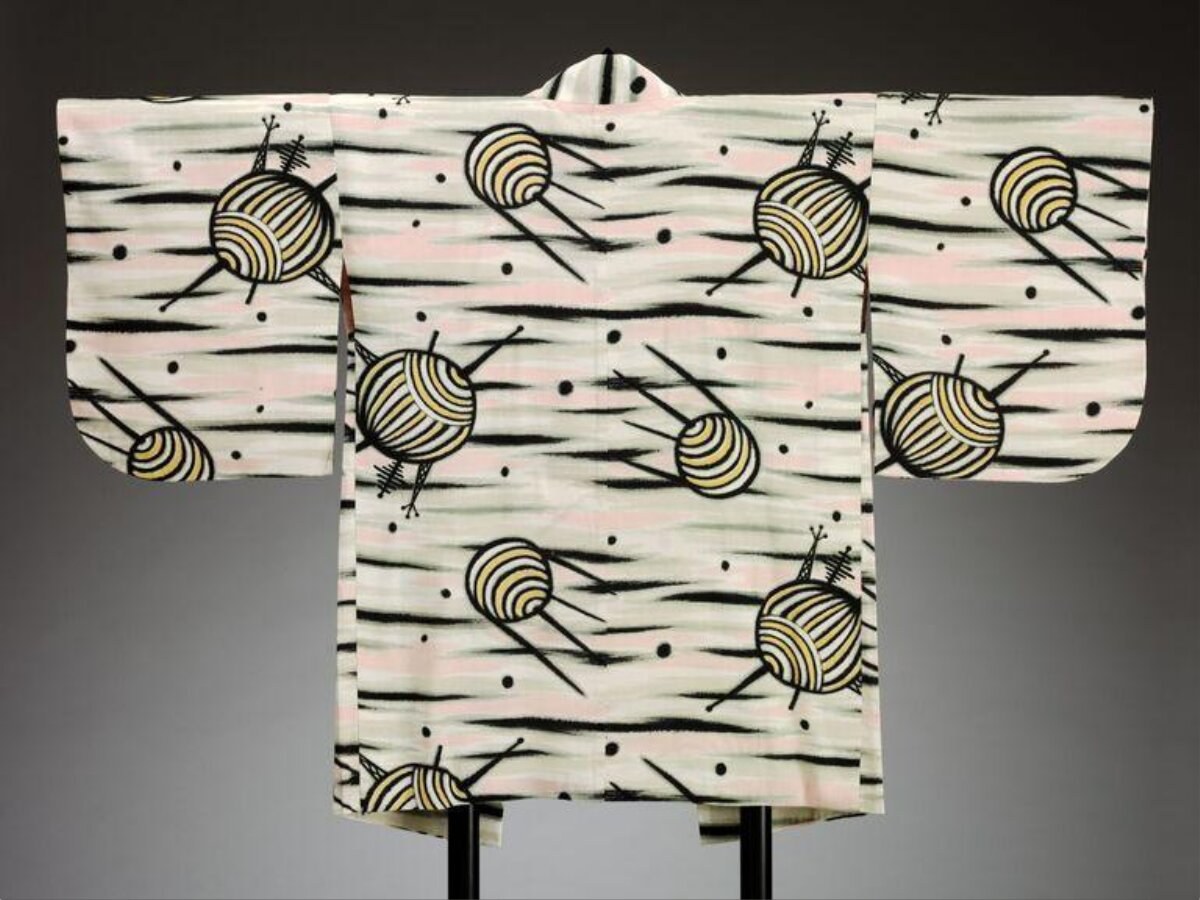
Also in Japan, a silk kimono jacket, a haori, was printed with Sputniks in 1957 or 1958.
Japanese haori with a Sputnik pattern, 1957-1958. Victoria and Albert Museum, London, FE.48-2014.Tin satellite by Yonezawa, Japan. Victoria and Albert Museum, London.The Mighty Sparrow album that includes “Russian Satellite”. Smithsonian Folkways.Poster for the Brazilian film « O Homem do Sputnik », 1959. Enciclopédia Itaú Cultural.
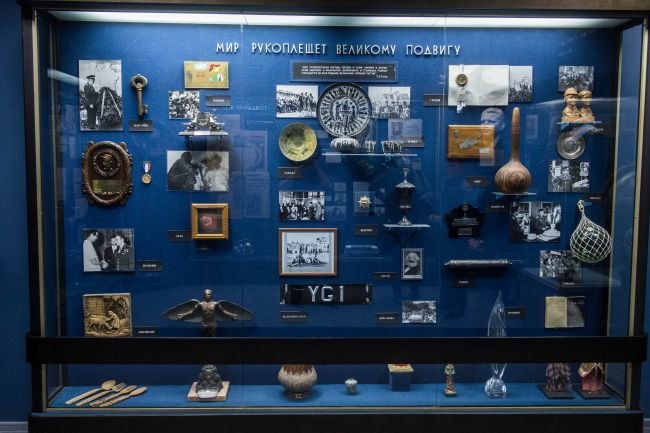
Gagarin himself brought objects back from his travels. The museum at Star City keeps a globe on a carved stand from Italy, a Swedish fishing float, the number plate with his initials fitted to the Rolls-Royce put at his disposal in London, and the copy of a sculpture given by Nehru.
The showcase of gifts Gagarin received abroad. Museum of the Cosmonaut Training Centre, Star City.
East Germany: the stamp of the 33 days
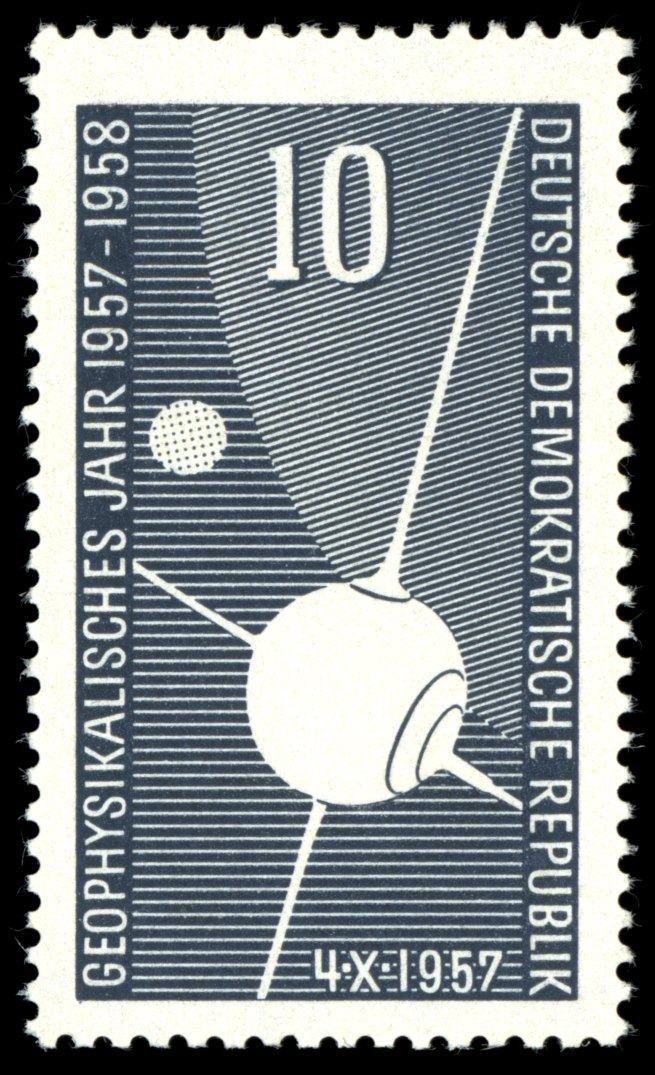
East German stamp of 7 November 1957, design by Ernst Rudolf Vogenauer. Wikimedia Commons, public domain.
The East German post office issued a Sputnik stamp on 7 November 1957, thirty-three days after the launch. The same month, at Zwickau, a car called Trabant came out. The word means “companion” or “satellite” in German, as sputnik does in Russian. The trains of the Berlin outer ring were nicknamed « Sputnik-Züge ».
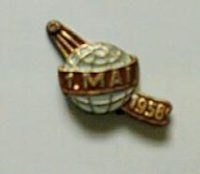
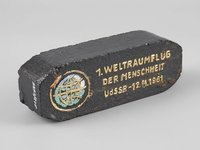
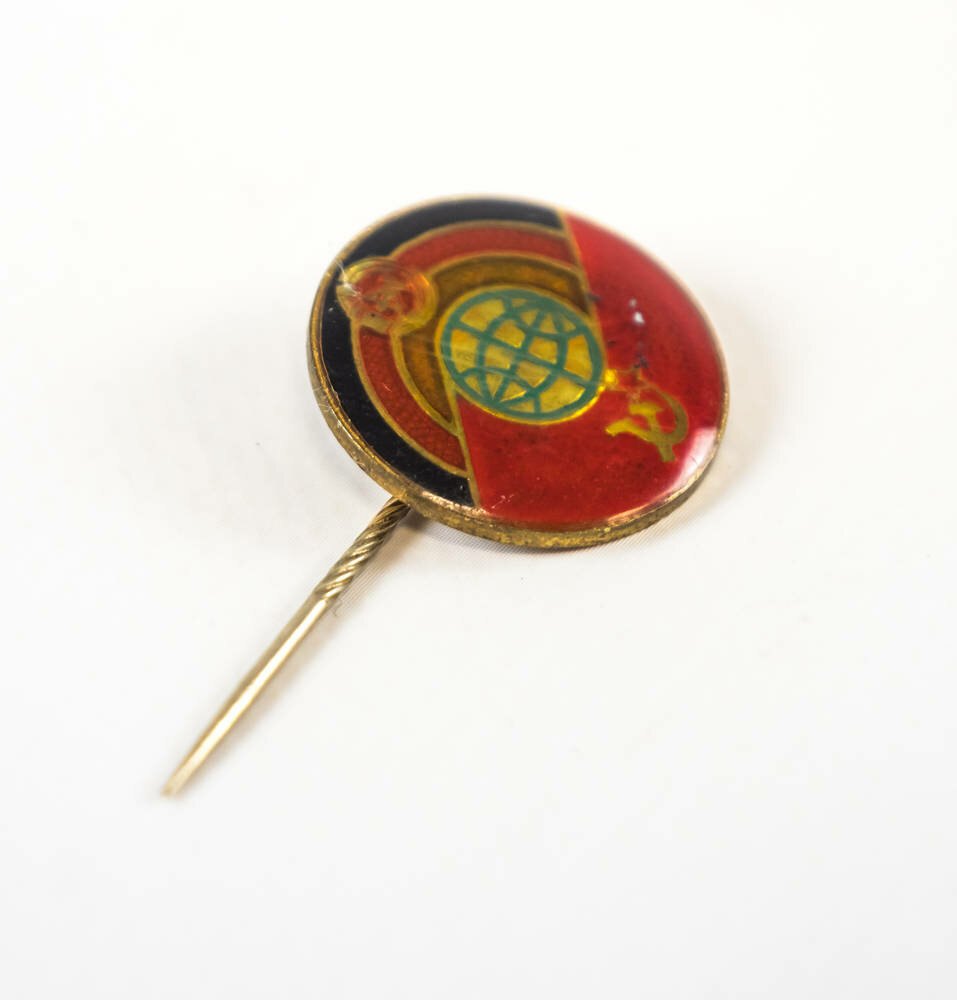
German museums keep humbler objects: a May Day badge of 1958 on which Sputnik circles the globe, and a lignite briquette stamped for Gagarin’s flight in 1961. In East Berlin, the Kosmos cinema opened in 1962 on Karl-Marx-Allee. In 1964 the Café Moskau received on its roof a model of Sputnik given by the Soviet ambassador. In Erfurt the ring road became the Juri-Gagarin-Ring in 1964.
East German May Day badge, 1958. Schloßbergmuseum Chemnitz, cm002491, CC BY-NC-SA.Lignite briquette for the first manned flight, 1961. Deutsches Bergbau-Museum Bochum, CC BY-NC-SA.
East German toy rocket by MS Brandenburg, 1960s.
Our shop offers a toy from that period: a 25 cm rocket made in East Germany by MS Brandenburg in the 1960s, launched by compressed air. It was also exported to the USSR.
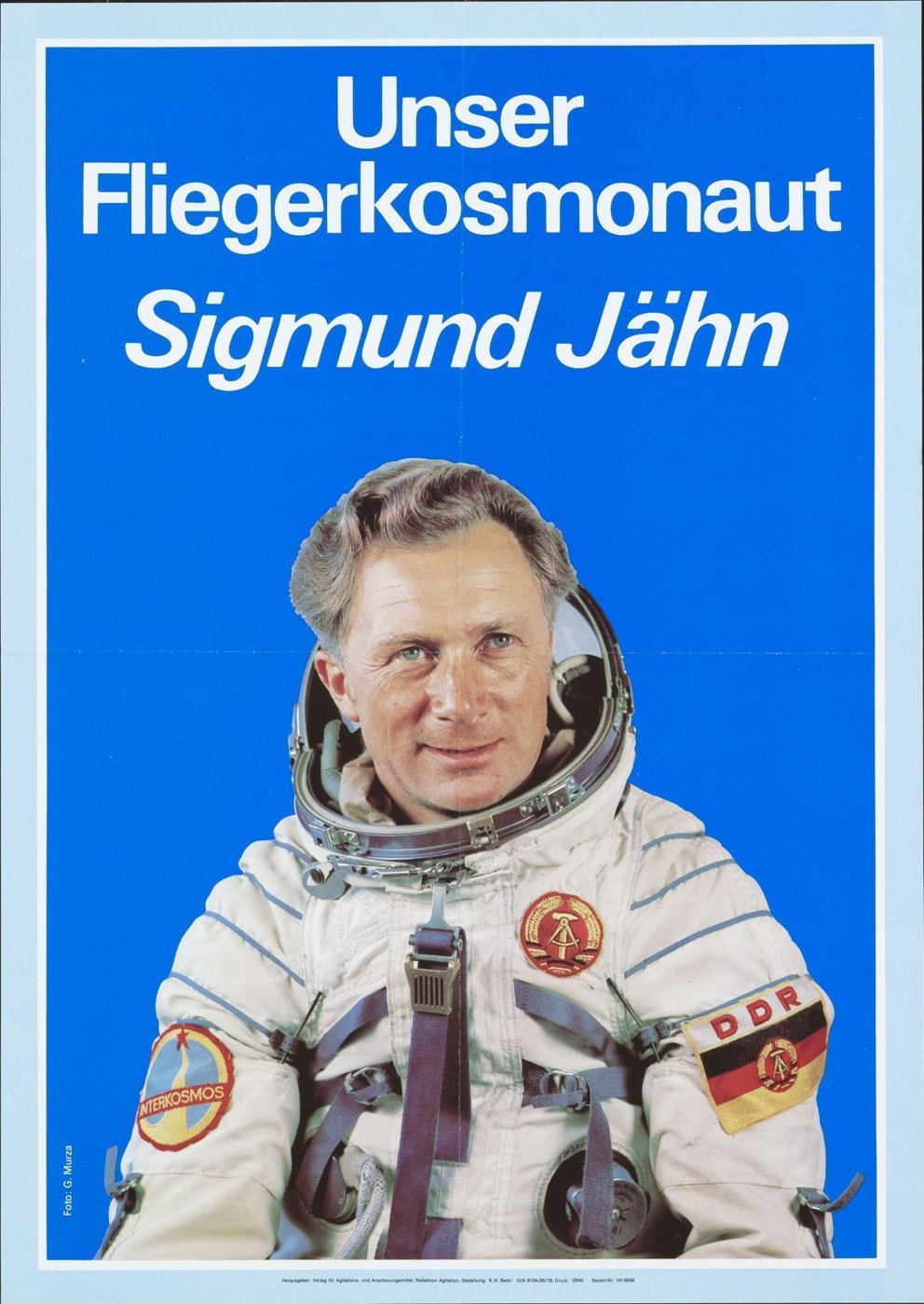
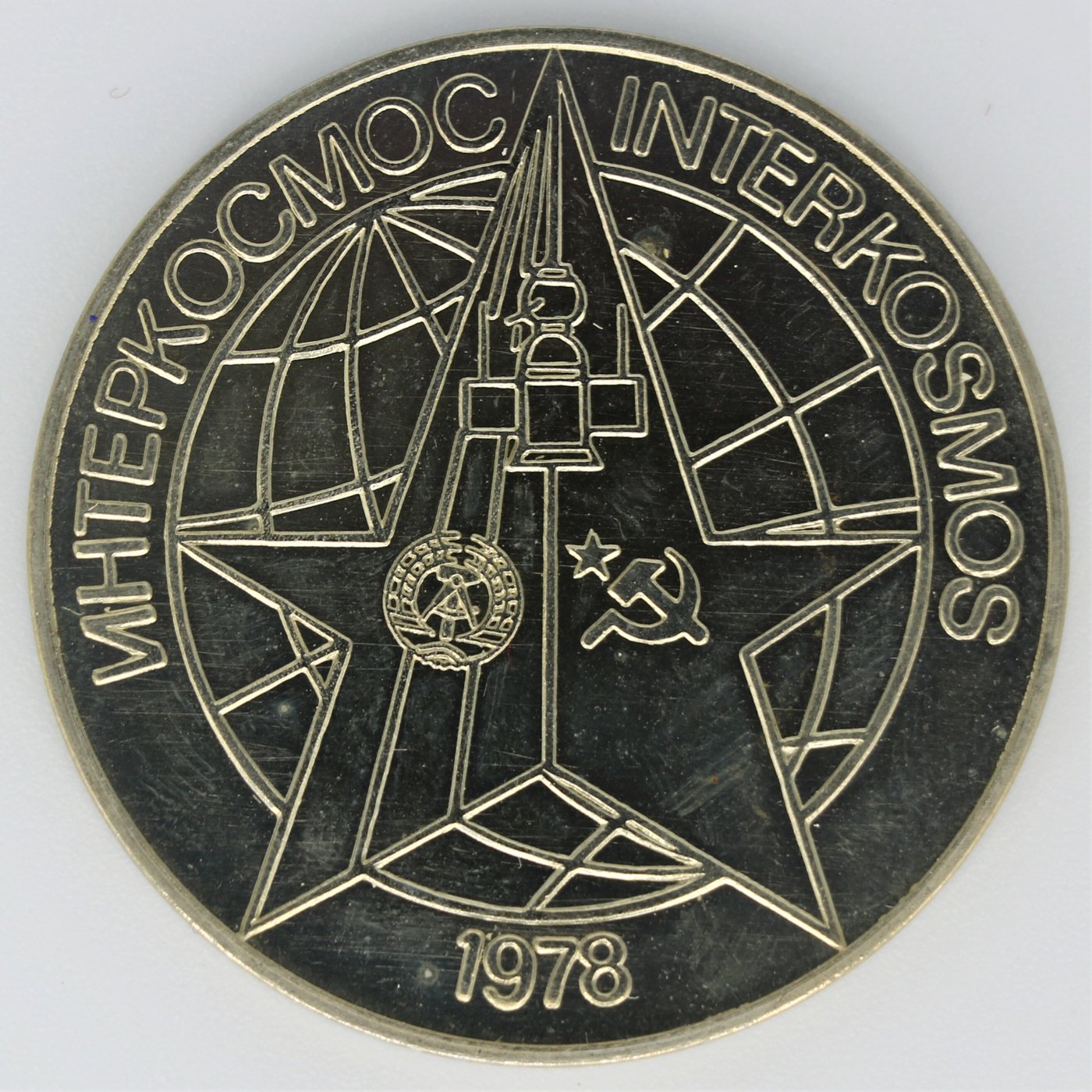
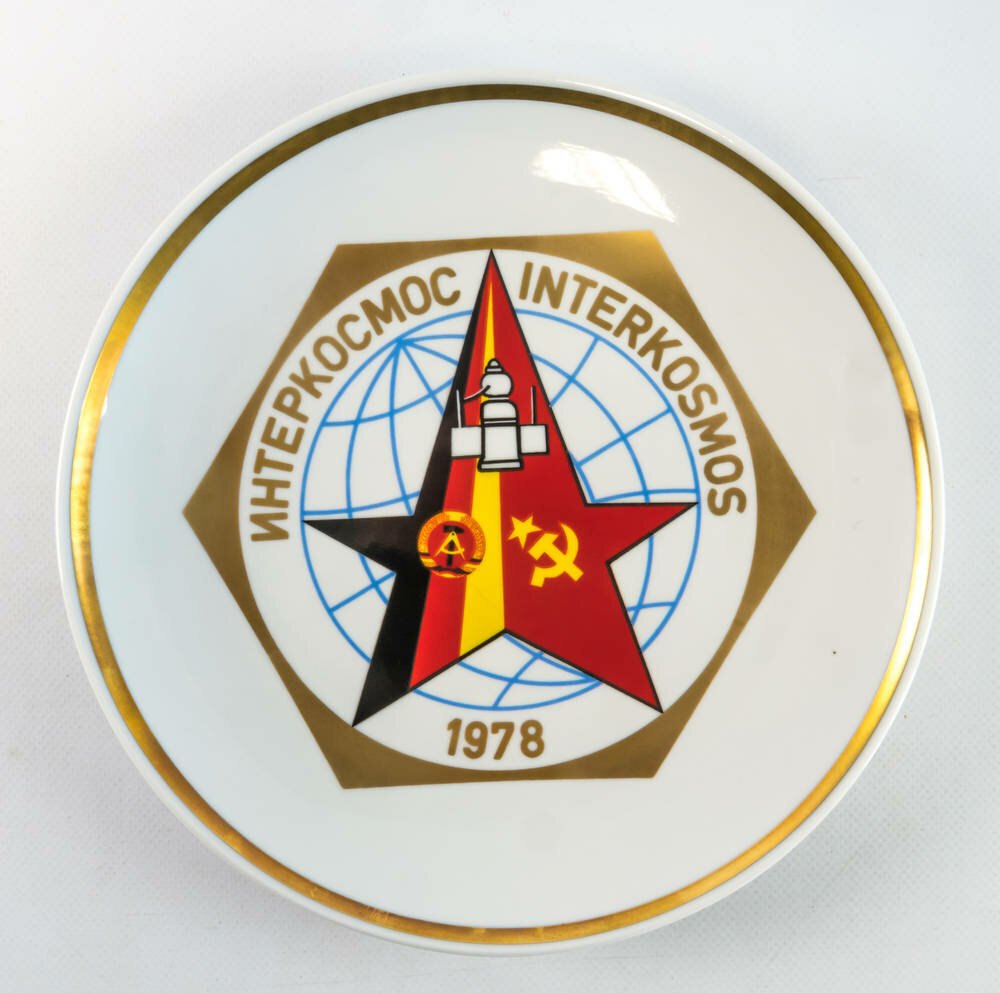
In 1978 Sigmund Jähn became the first German in space, aboard Soyuz 31. East Germany struck a 10-mark coin, the Henneberg porcelain works in Ilmenau issued an “Interkosmos 1978” plate, and the Ruhla factory made four watches that Jähn took into orbit.
East German poster “Our cosmonaut Sigmund Jähn”, 1978. Stiftung Haus der Geschichte, H 1998/01/2355.East German 10-mark coin, 1978. Museum Berlin-Karlshorst, inv. 211087, CC BY-NC-SA.Henneberg “Interkosmos 1978” plate. DDR Museum Berlin, inv. 1021072.“Interkosmos 78” pin. DDR Museum Berlin, inv. 1023667.
Eastern Europe: coins, radios and the twist
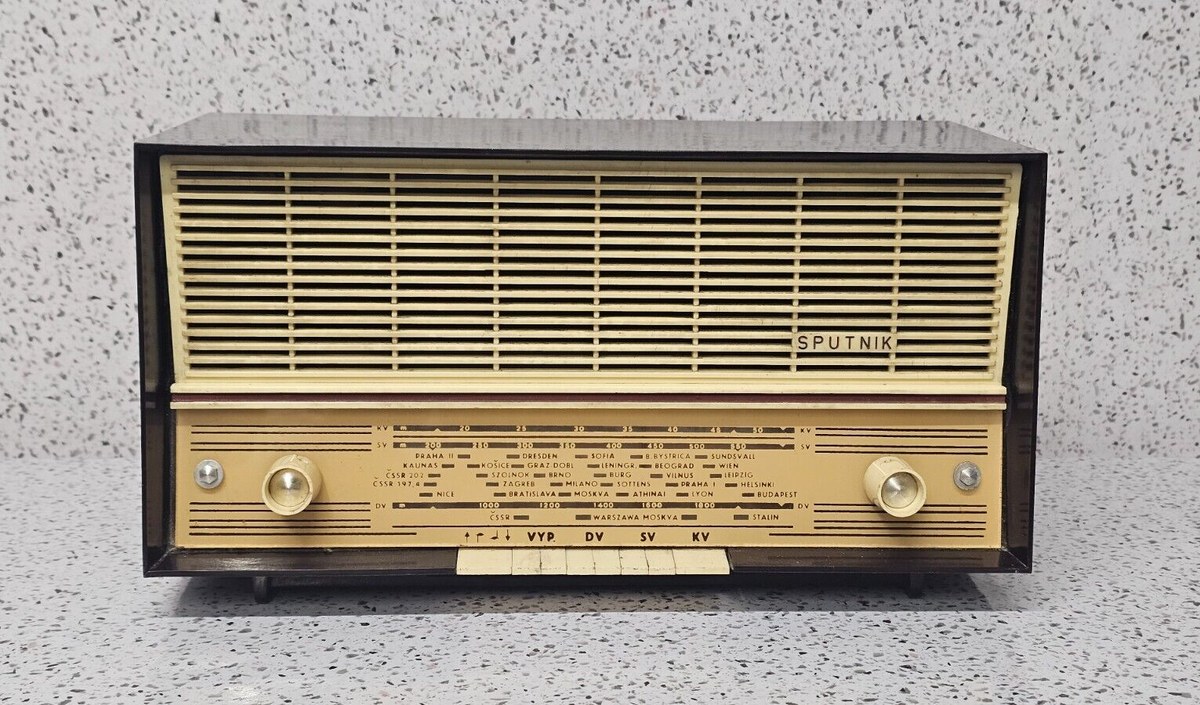
In Czechoslovakia, Tesla sold a table radio called “Sputnik” from 1961 to 1963. Gustav Brom recorded « Dobrý den, majore Gagarine » (Good day, Major Gagarin). Karlovy Vary unveiled a bronze statue of Gagarin in 1975. In 1981 a silver 100-crown coin marked twenty years since the first flight.
Czechoslovak Tesla “Sputnik” radio, with its name on the front.
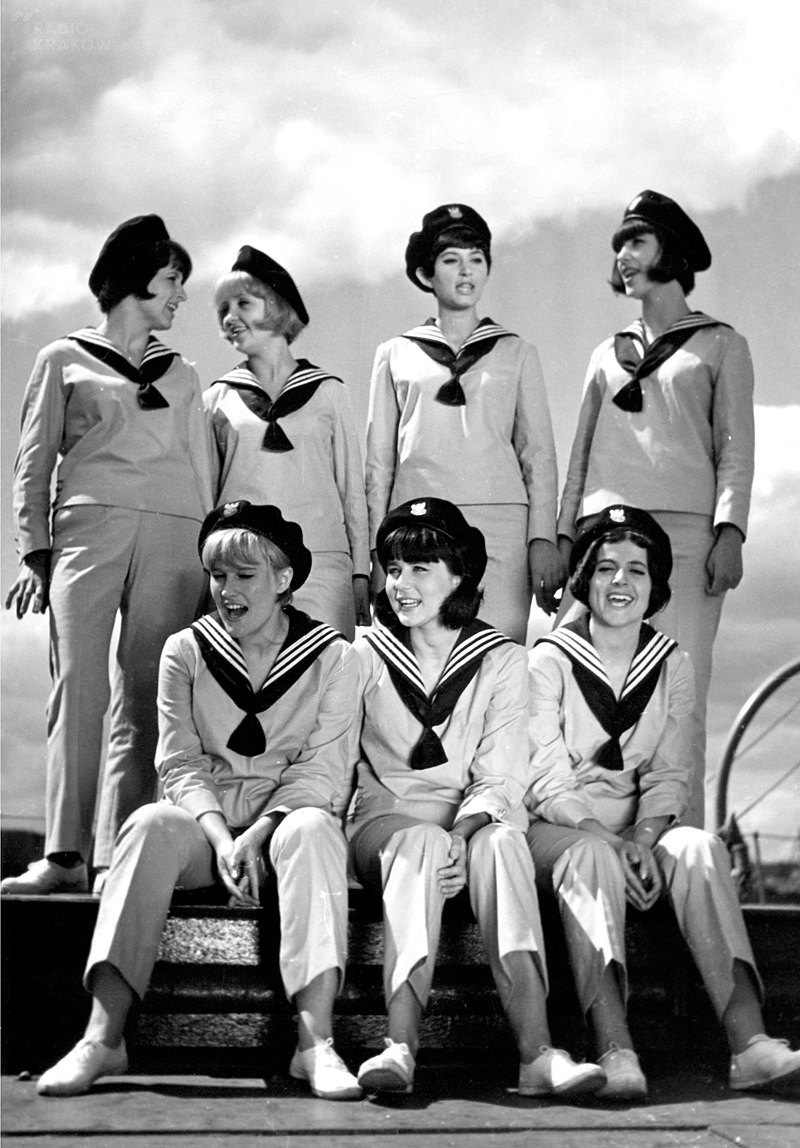
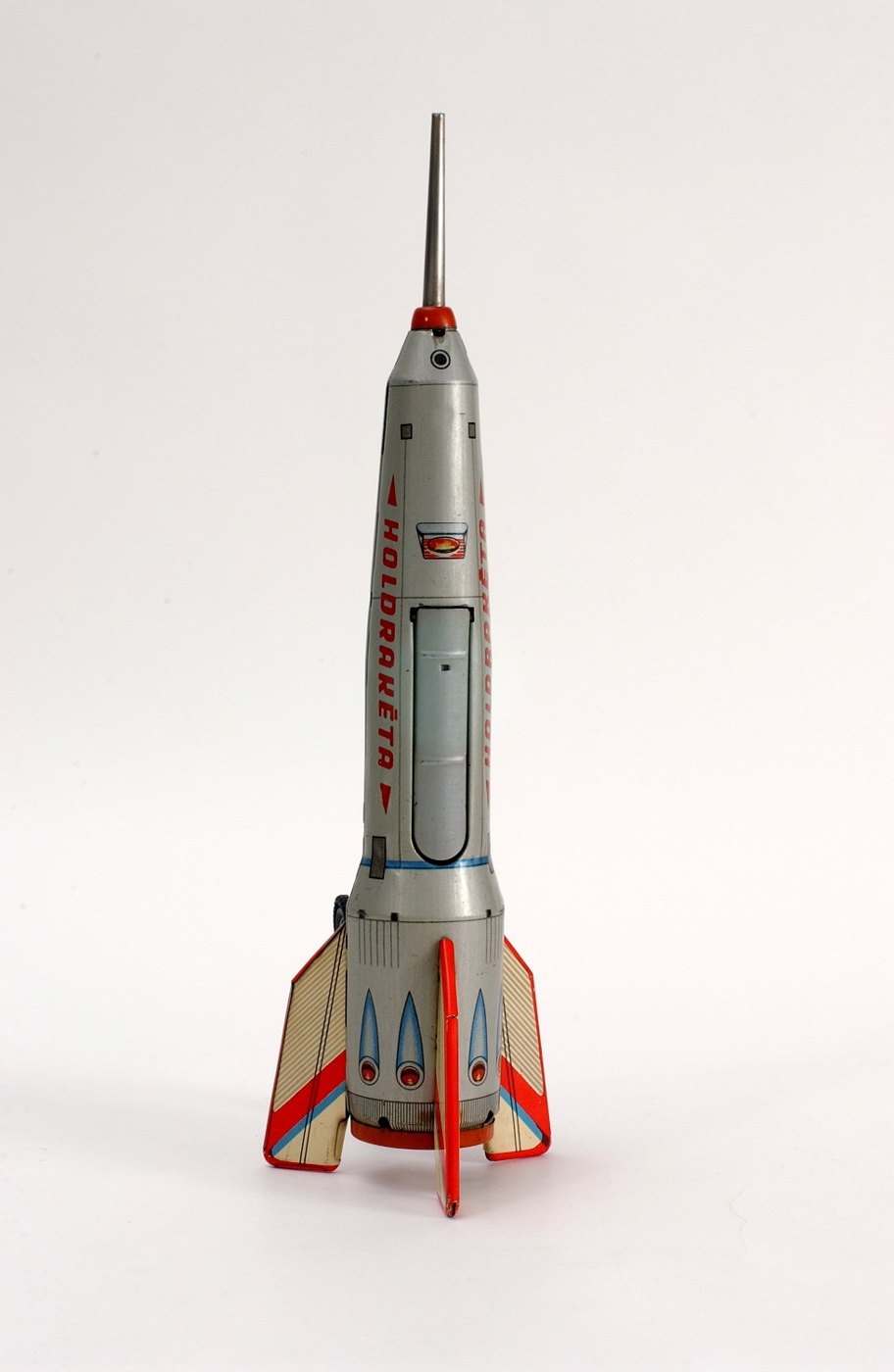
In Poland, the group Filipinki recorded « Wala twist » in 1963 in honour of Valentina Tereshkova. In Hungary, the Lemezárugyár factory in Budapest made a 40 cm friction-drive tin moon rocket. In Bulgaria, Gagarin planted the first tree of the Cosmonauts’ Alley in Varna on 26 May 1961.
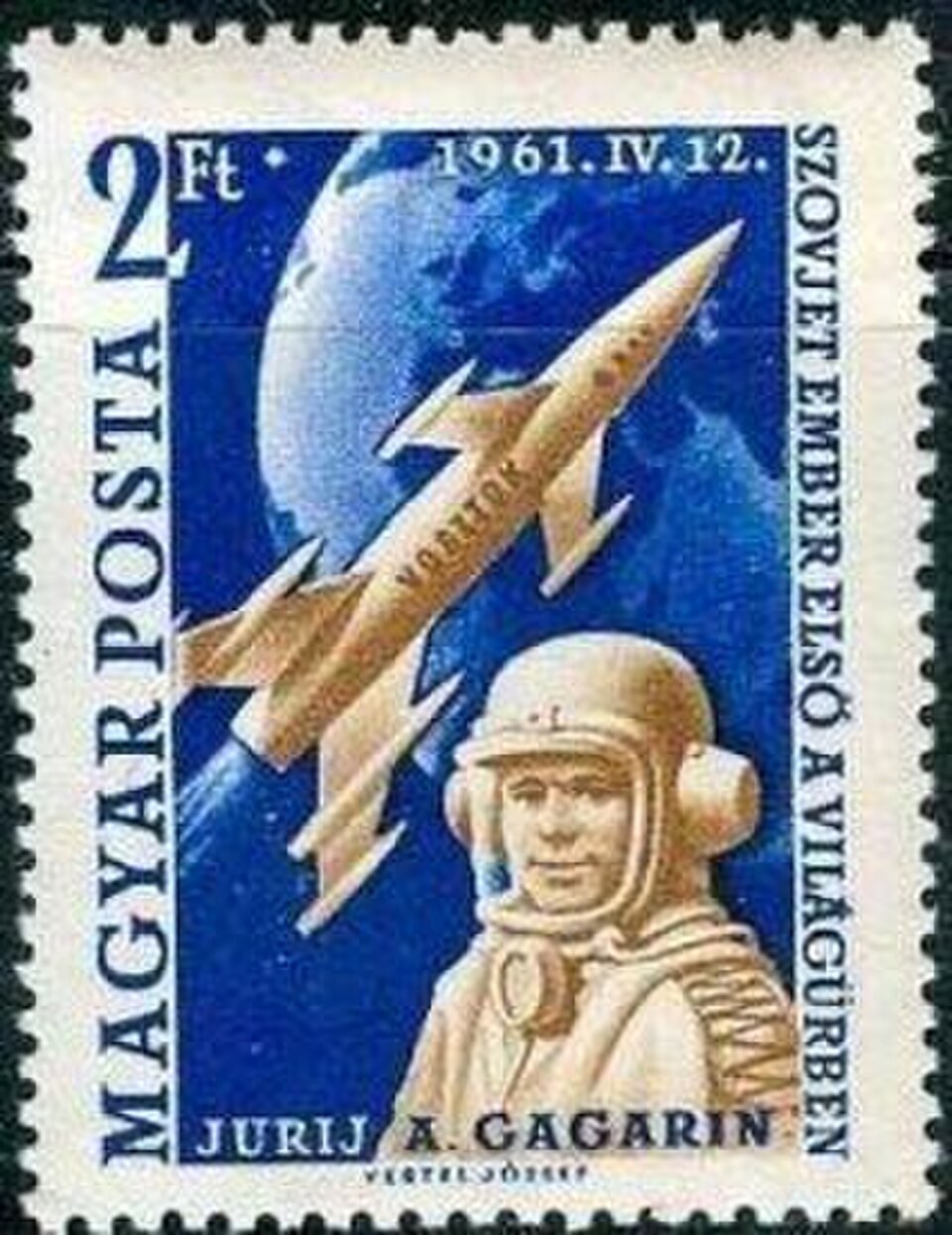
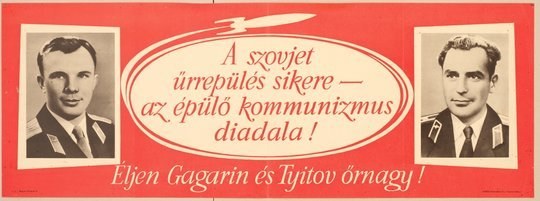
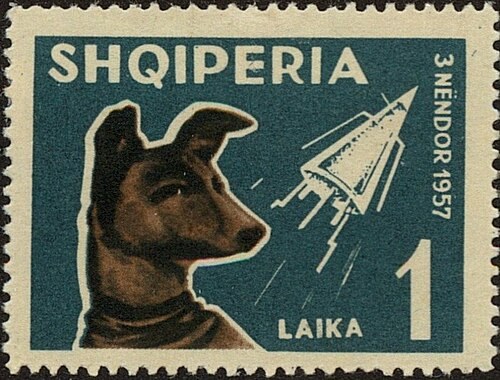
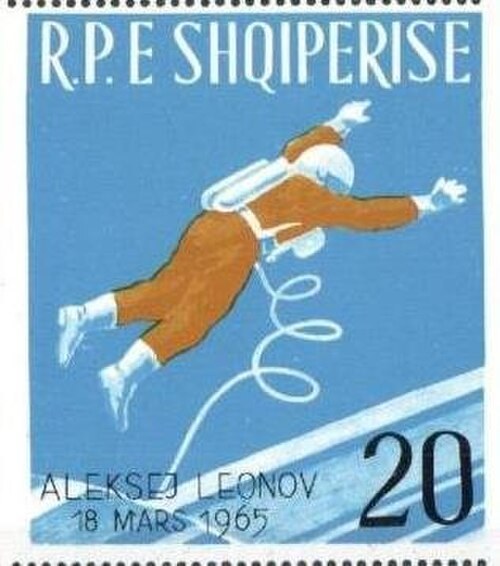
Hungary reacted in thirteen days: its Gagarin stamp came out on 25 April 1961. The same year a Budapest poster hailed “Majors Gagarin and Titov”. Albania issued a Laika stamp in 1962, then a stamp for Leonov’s spacewalk in 1965.
Hungarian Gagarin stamp of 25 April 1961, design by József Vertel. Wikimedia Commons, public domain.Hungarian poster “Long live Majors Gagarin and Titov!”, 1961. Budapesti Történeti Múzeum, CC BY-NC-SA.Albanian Laika stamp, 1962. Wikimedia Commons, public domain.Albanian stamp for Alexei Leonov’s spacewalk, 1965. Wikimedia Commons, public domain.The Polish group Filipinki. Photo Radio Kraków.Hungarian tin moon rocket « Holdrakéta ». Óbudai Múzeum, OMJT.2006.4.173, CC BY-NC-SA.
Each Interkosmos flight had its coin: 20 Polish zlotys in 1978, 10 Bulgarian leva in 1979, 100 Hungarian forints and 1 Cuban peso in 1980, 1 Mongolian tögrög in 1981.
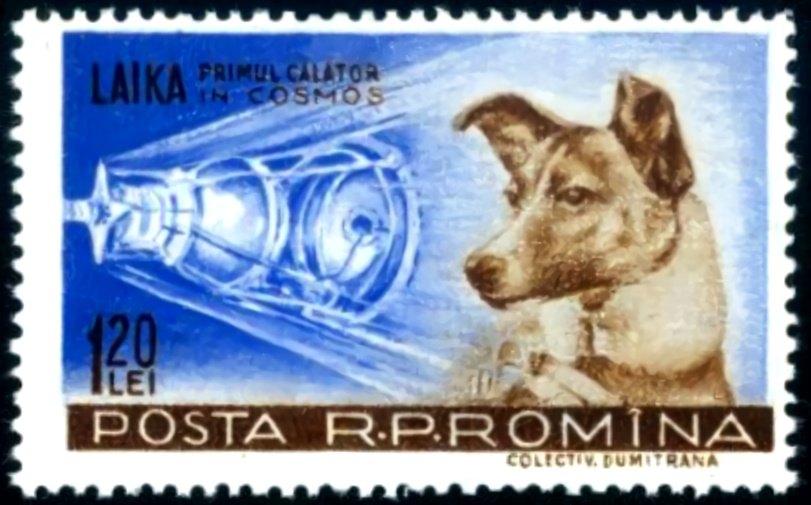
Romanian stamp showing Laika. Wikimedia Commons, public domain.
Laika has her stamps in Romania, Albania, Poland and North Korea. In the West, her one-way flight also caused protests: in the United Kingdom a canine defence league called for a minute’s silence on each day of the flight.
China: the East Wind
Chinese Diamond alarm clock with Sputnik.
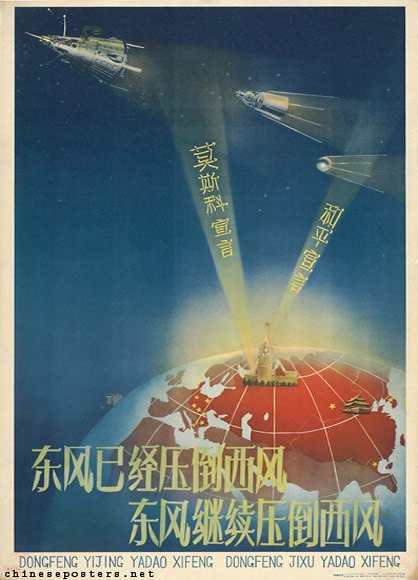
In September 1958 a Chinese poster showed the first three Sputniks above the Communist world, under Mao’s slogan about the East Wind prevailing over the West Wind. The Chinese post office issued a set on the Soviet satellites the same year. Our shop has had an alarm clock by the Chinese brand Diamond with a luminous Sputnik on the dial.
Chinese poster of September 1958, by Song Xishan. chineseposters.net, private collection.
Brussels 1958: Sputnik for real
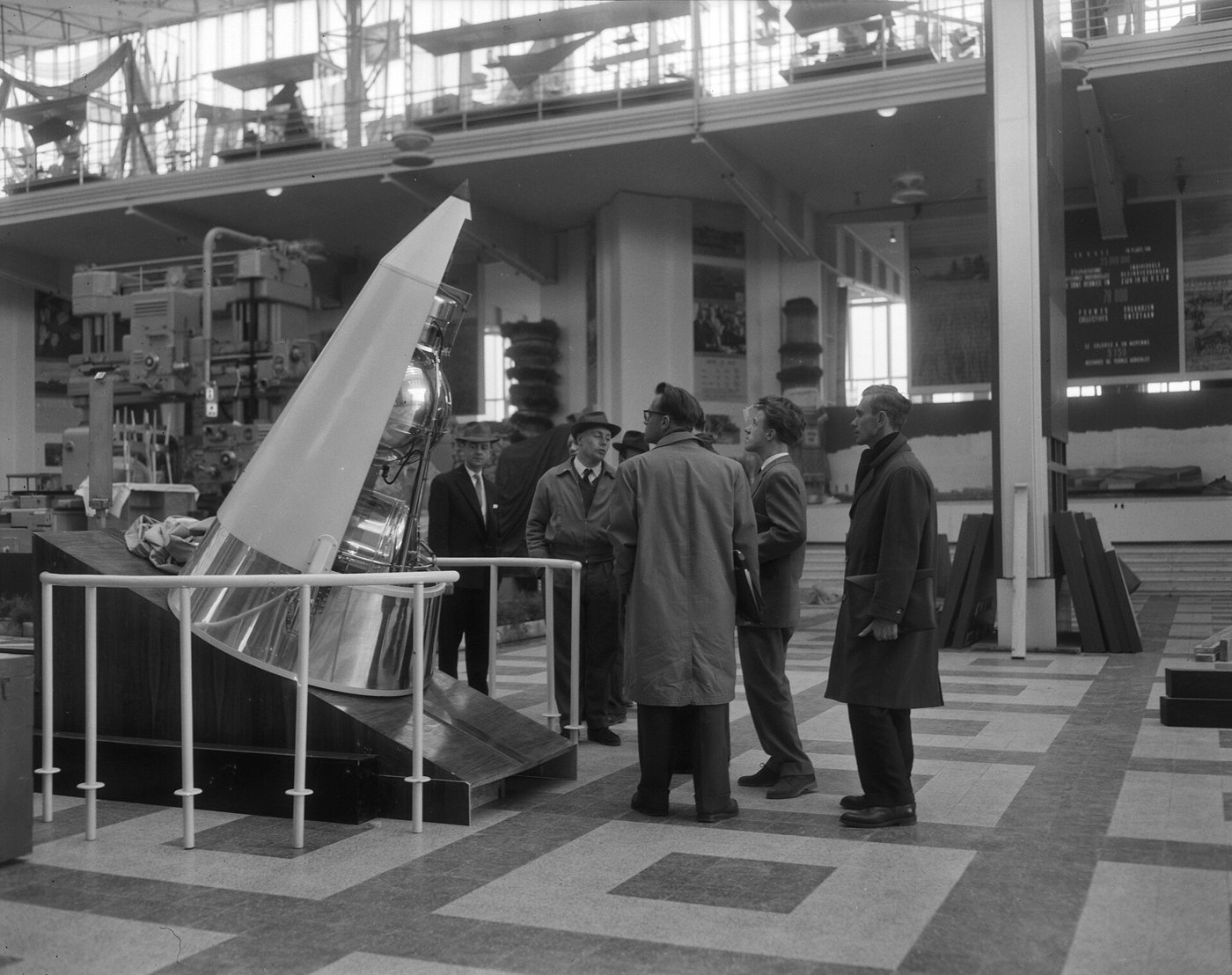
Sputnik model in the Soviet pavilion at the Brussels World’s Fair, 15 April 1958. Photo Harry Pot, Anefo, Nationaal Archief, CC0.
In 1958, at the Brussels World’s Fair, the Soviet pavilion showed full-scale replicas of the satellites. There the Western public saw up close, for the first time, what its toy makers, accordion players and watchmakers had been imagining for months.
Space Age clocks and objects made in Western Europe are gathered at Strane Mira, our second shop.
Available at Soviet in Paris
The Breitling Baby Moon was serviced by our watchmaker in February 2024. The space posters are covered in our guide to Soviet posters.
The ДП-5В (DP-5V) is the field radiometer of Soviet civil defence: a green Bakelite console, a probe with a rotating gamma, beta and check-source shield, headphones and a manual that explains operation and maintenance. The one in this article served in an industrial bakery in Chișinău and was serviced in March 1991. Its owner shared his photos and documents with us, and we turned them into a tool that lets you operate it on screen, step by step.
The Moscow Games, from 19 July to 3 August 1980, boycotted by some sixty countries, produced more objects than any Soviet event: a bear cub, Misha, drawn by Viktor Chizhikov, an emblem made of running tracks, five thousand torches, watches from every factory, platinum coins, rings, tea glass holders, posters. This guide tells the story of the Games and reviews the objects, with the marks that authenticate them and the prices.
The 3017 chronograph of the First Moscow Watch Factory carries a five-digit number on the balance cock. The most common dating method reads it as a single series, from 1959 to 1979. Four factory passports show there are two, and that the same number can point to two watches made ten years apart. Here is how to read the number, the dial, the logo and the bridge, with a decoder to date your Strela, Poljot or Sekonda.
This website uses cookies to improve your experience while you navigate through the website.
Out of these cookies, the cookies that are categorised as necessary are stored on your browser as they are essential for the working of basic functionalities of the website.
We also use third-party cookies that help us analyse and understand how you use this website.
These cookies will be stored in your browser only with your consent.
You also have the option to opt out of these cookies.
But opting out of some of these cookies may affect your browsing experience.
Necessary cookies are absolutely essential for the website to function properly. This category only includes cookies that ensure basic functionalities and security features of the website. These cookies do not store any personal information.
Cookies that are not strictly necessary for the website to work and that are used specifically to collect personal data through analytics, ads and other embedded content are called non-necessary cookies. User consent is required before these cookies run on the website.
✕
Soviet in Paris
Online. We answer in person, no AI and no chatbot. Reply right away, 20 min at most.
Hello 👋 A question about an item, an order or shipping? Write to us.
Your email is used only to reply to you.
Subscribe to our newsletter and get 10% off your first order.
Subscribe
★ New pieces before anyone else
★ New blog articles
★ Soviet in Paris news and updates
Join the Party
10% off your first order
Receive your welcome card and our next arrivals.
Your code appears here and is also sent to you by email. You can leave the Party in one click, at any time.











 Strane Mira