Siemens & Halske Telegraph Galvanometer - Berlin - 19th Century
$1,324.99Unique piece
Siemens & Halske Telegraph Galvanometer - Berlin - 19th Century
$1,324.99Unique piece
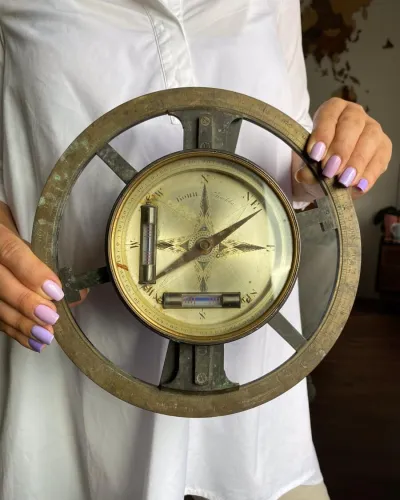
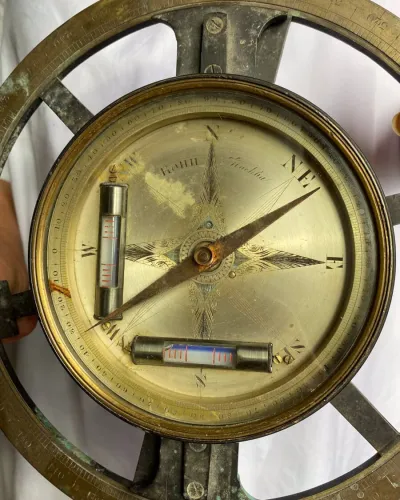
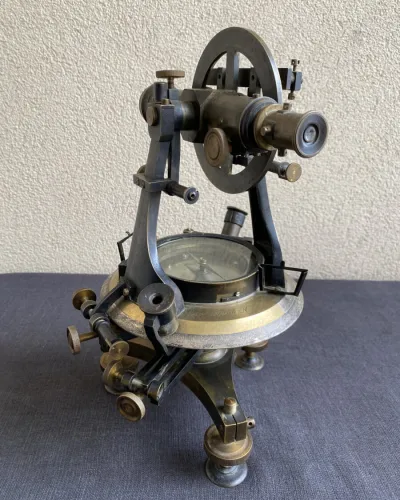
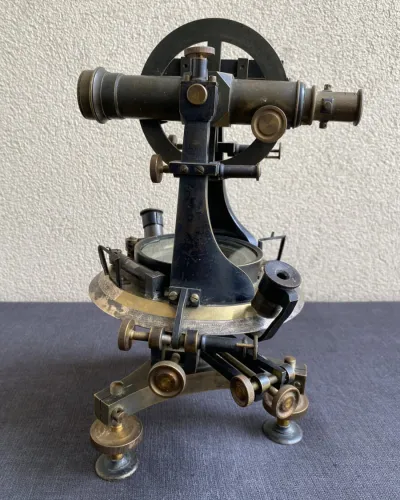
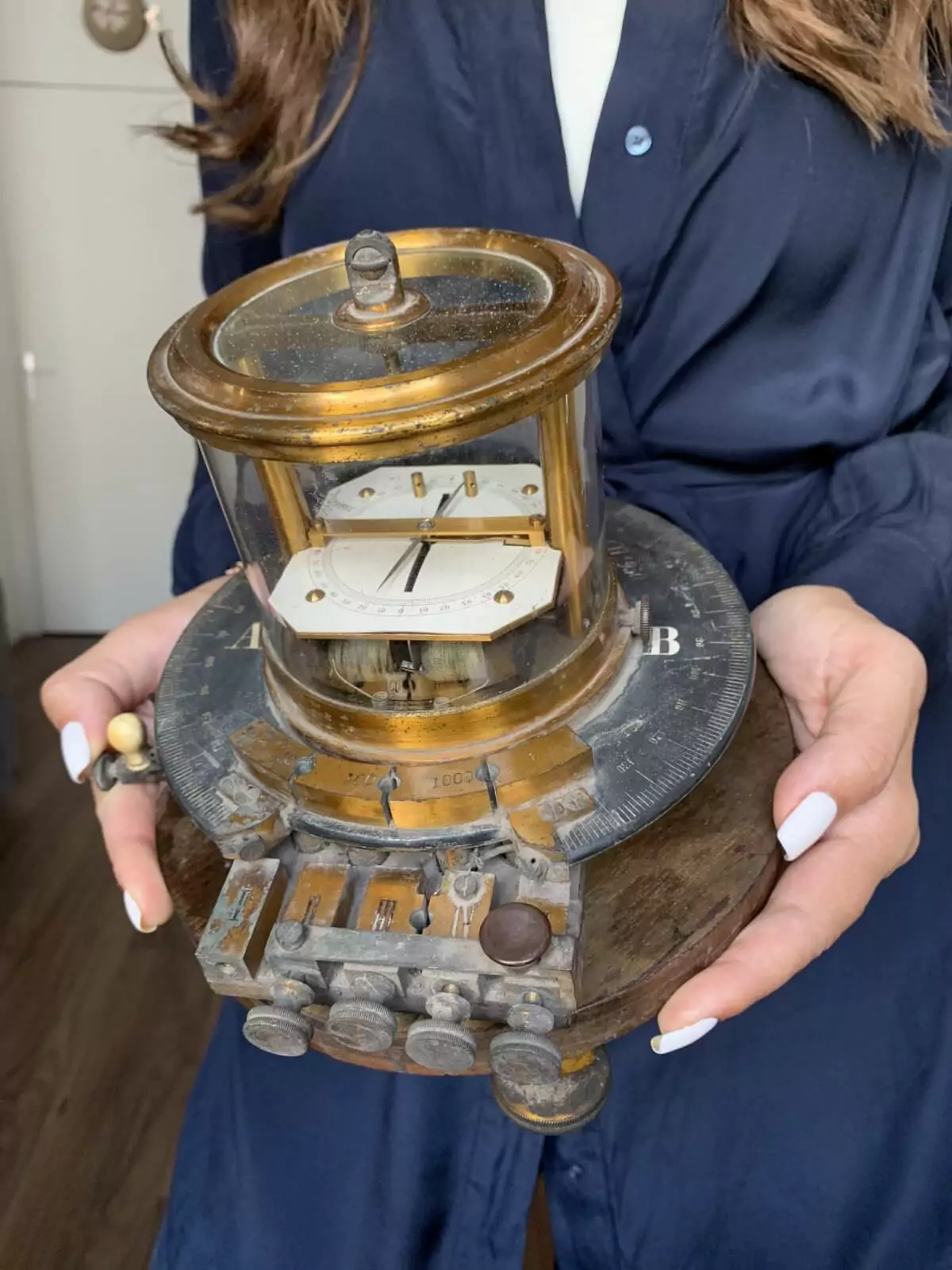
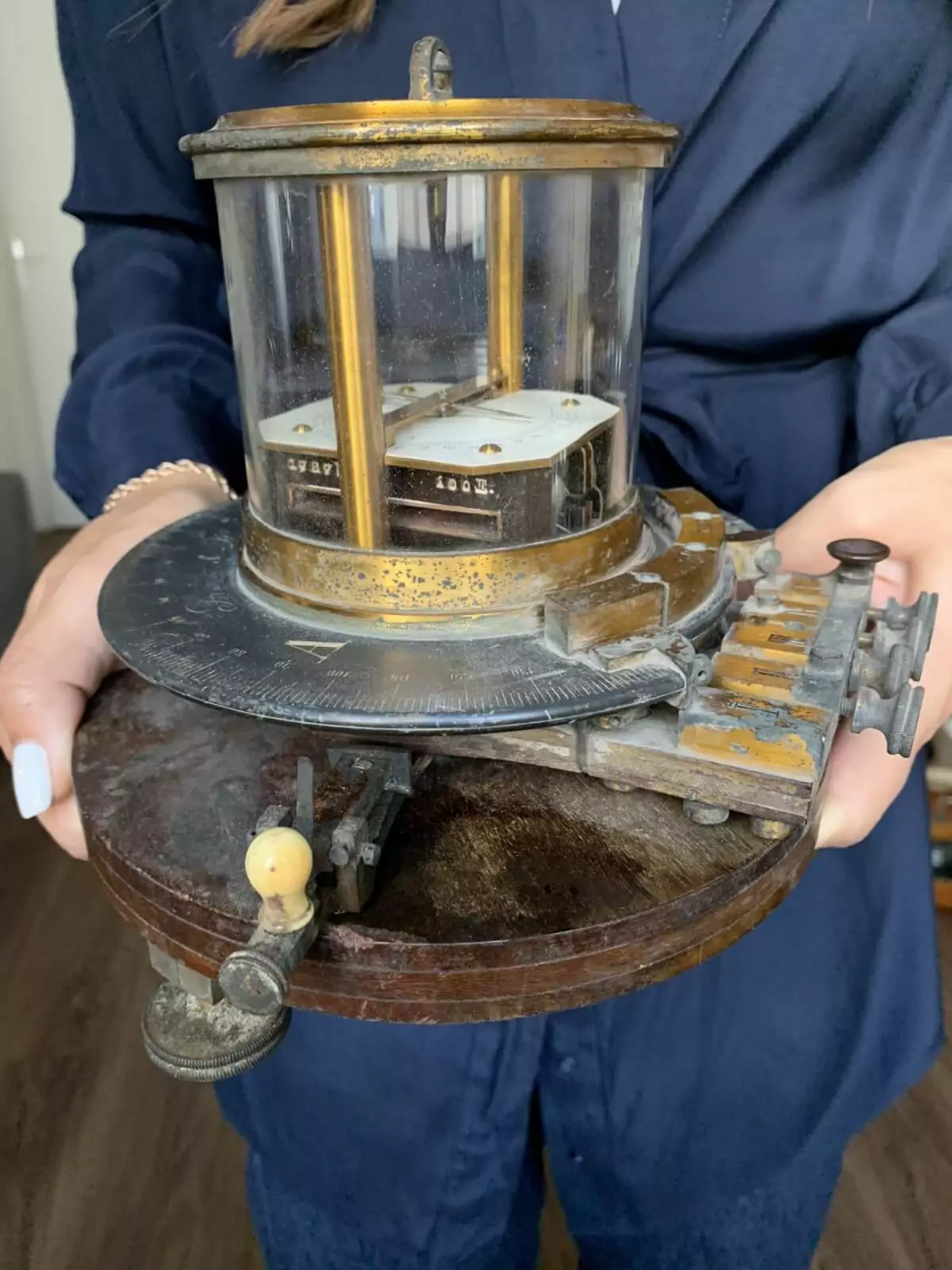
Siemens & Halske universal galvanometer, Berlin, No. 950, a telegraph line testing instrument designed by Werner Siemens in 1868, bought in Moscow. Complete, on its mahogany base with three levelling screws, excellent condition.
1 in stock
Message received, dear comrade.
Our information desk usually replies within 24 hours at the address provided.A piece that predates the USSR, from the time of the Russian Empire.
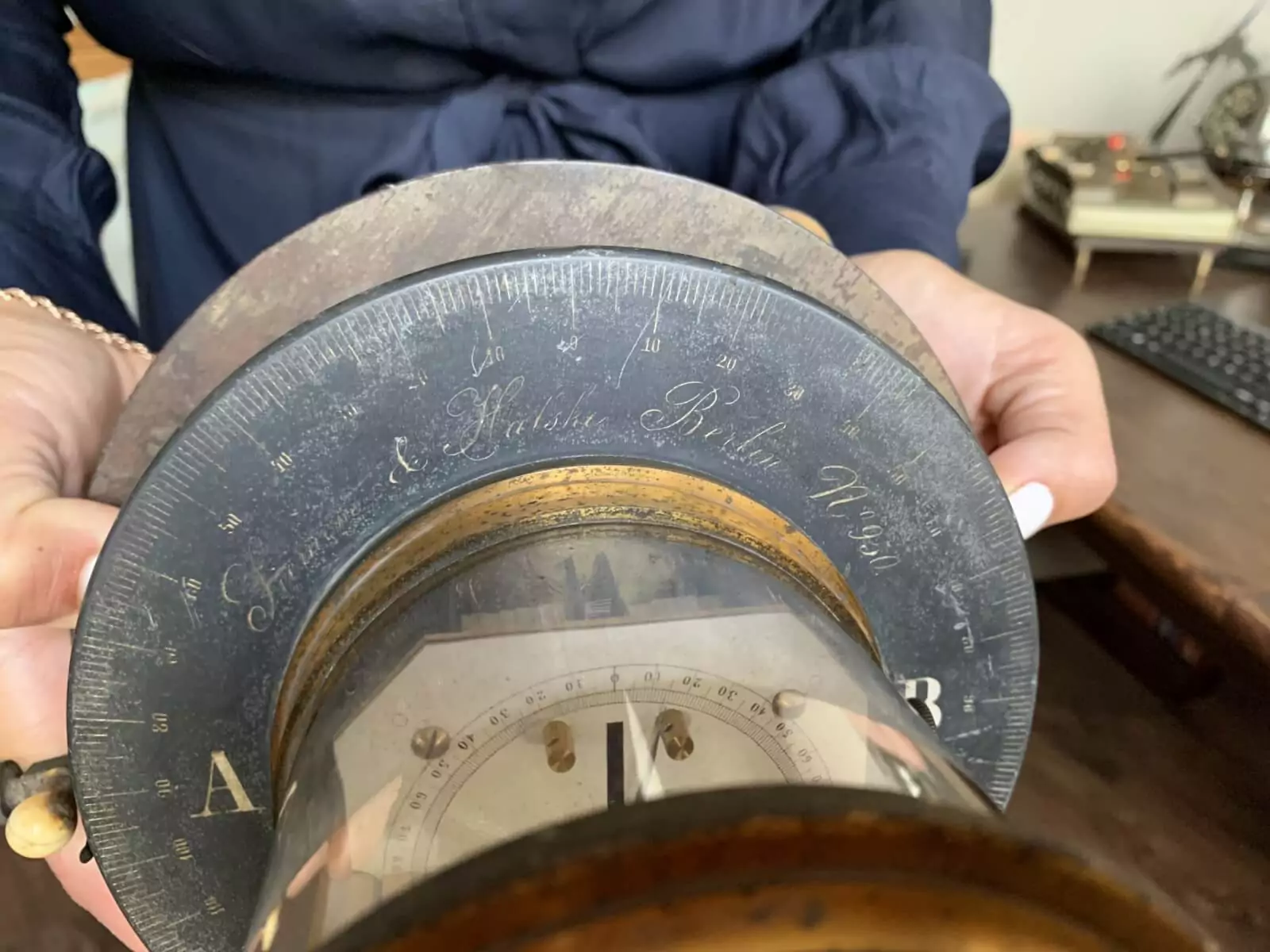
Universal galvanometer by Siemens & Halske, signed “Siemens & Halske Berlin” and numbered 950 on its graduated disc. It is a telegraph line testing instrument, used between the station cables and the long-distance cables to locate faults, measure resistance and check continuity: a needle galvanometer combined with a Wheatstone bridge.
Siemens & Halske was founded in Berlin on 1 October 1847 by Werner Siemens and Johann Georg Halske as a telegraph construction workshop. Werner Siemens designed this universal galvanometer in 1868 for telegraph technicians, who used it for resistance measurements on lines and equipment. The model was supplied until 1900.
The firm knew Russia well: from 1853 it built the Russian state telegraph network, some 9,000 km of lines from Finland to the Crimea, and its St Petersburg office, independent from 1855, was run by Carl Siemens, Werner’s brother. We bought this instrument in Moscow.
The needle swings over a graduated dial between the coils, inside a glass cylinder with lacquered brass mounts. The galvanometer sits on a graduated disc marked A and B, with the bridge wire running round its edge. A movable arm with a handle makes contact on this wire. The three comparison resistances are selected with plugs, and the front carries four numbered keys and the connection terminals. The whole instrument stands on a round polished mahogany base with three levelling screws.
It dates from the last third of the 19th century, made between 1868 and 1900, with no precise date. Excellent condition, with the patina of age on the brass.
Additional information
| Weight | 5 kg |
|---|---|
| Dimensions | 20 × 20 × 21.5 cm |