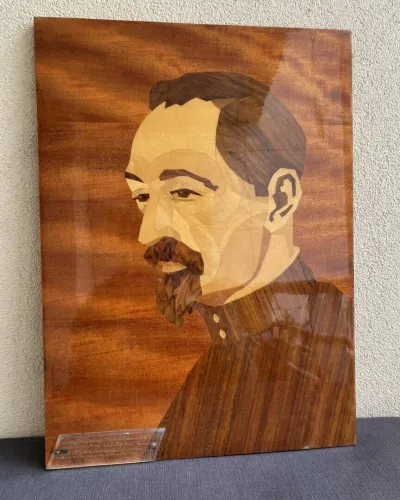
Soviet Wall Rug - Felix Dzerzhinsky Portrait - Cheka USSR
$449.99Unique piece
Soviet Wall Rug - Felix Dzerzhinsky Portrait - Cheka USSR
$449.99Unique piece
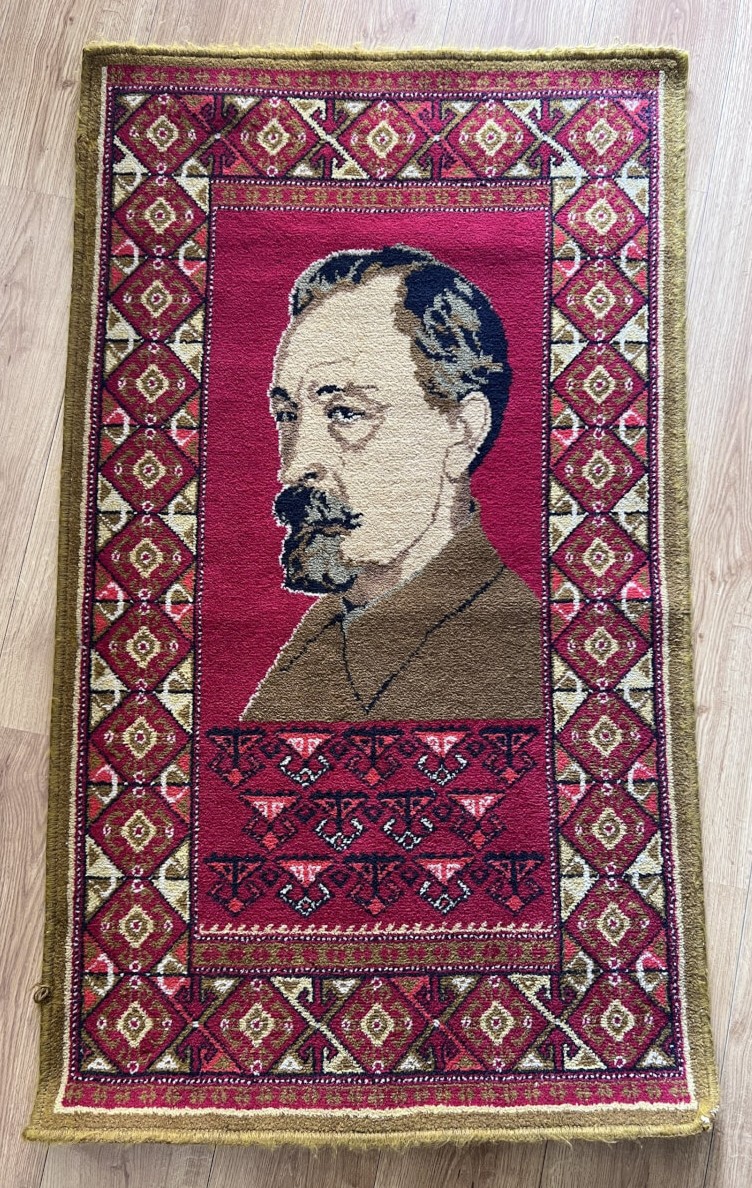
Soviet pile wall rug showing Felix Dzerzhinsky, founder of the Cheka, on a red ground framed by a wide border of lozenges. Very good condition, meant to hang on the wall as it did in Soviet homes.
1 in stock
Message received, dear comrade.
Our information desk usually replies within 24 hours at the address provided.Peak of the space race won by the USSR: Sputnik 1 (1957), Gagarin's flight (1961), Tereshkova the first woman in orbit (1963). Khrushchev leads de-Stalinisation until 1964, then Brezhnev ushers in stagnation. Scientific and cultural high point.
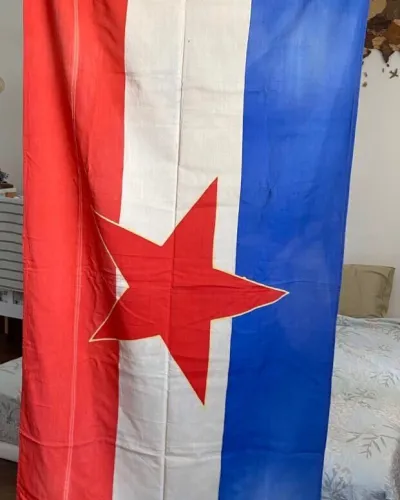
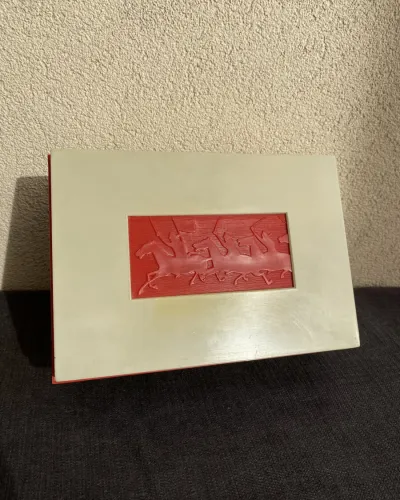
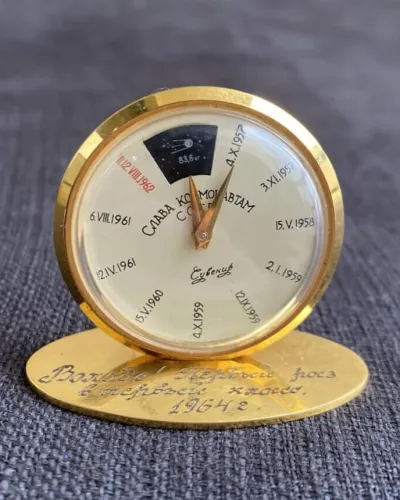
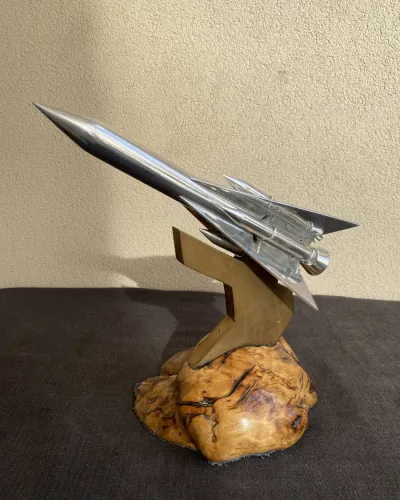
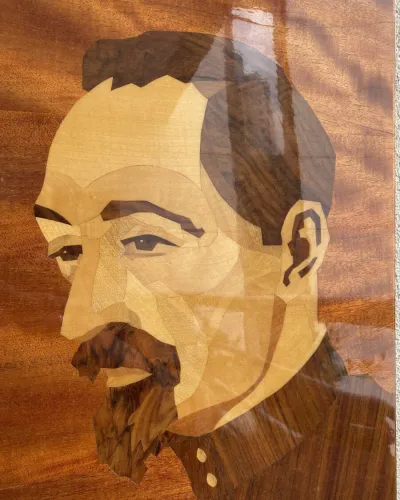
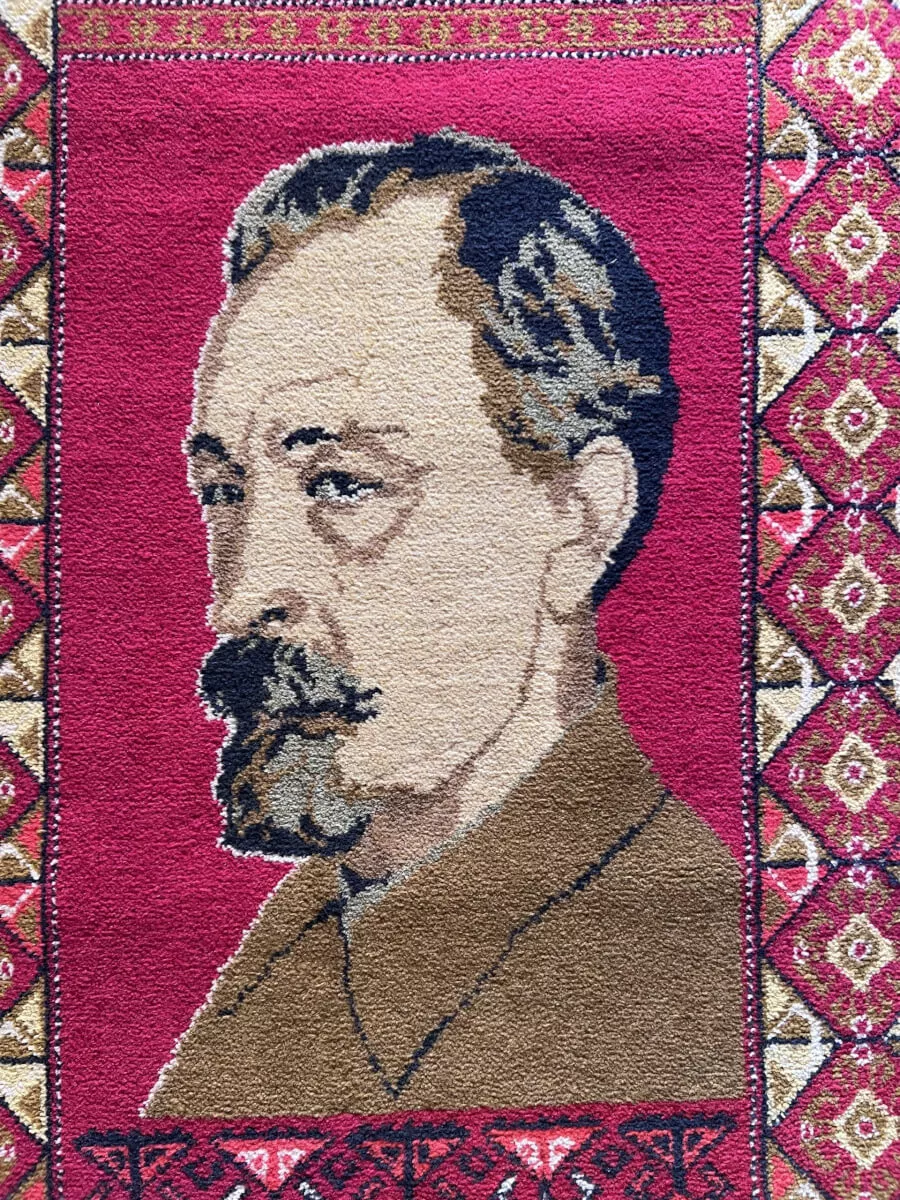
Soviet pile wall rug made in honour of Felix Dzerzhinsky. The three-quarter portrait shows the founder of the Cheka with his moustache and goatee, wearing a brown tunic with an open collar. It stands out against a red ground, above a band of geometric motifs. A wide border of red, cream and olive green lozenges frames the whole, finished with an olive edge.
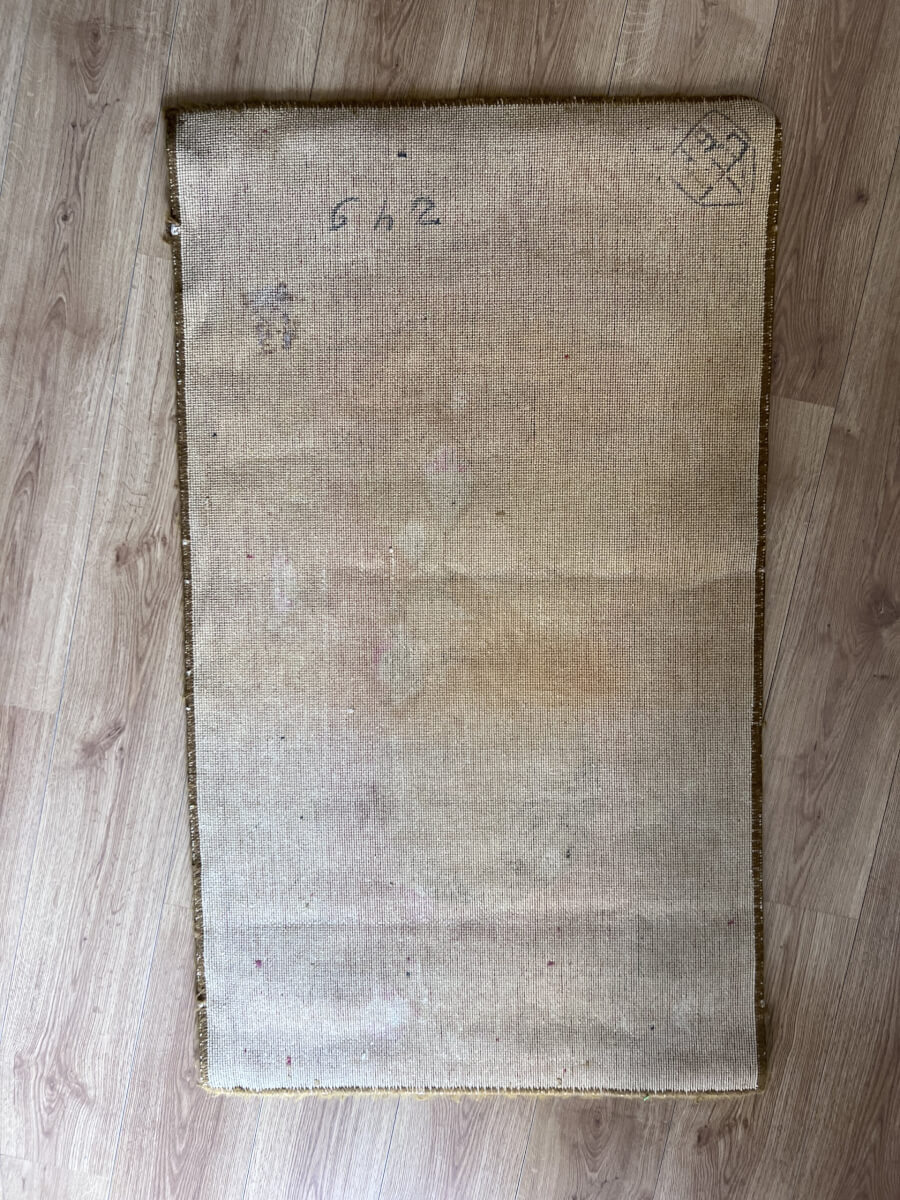
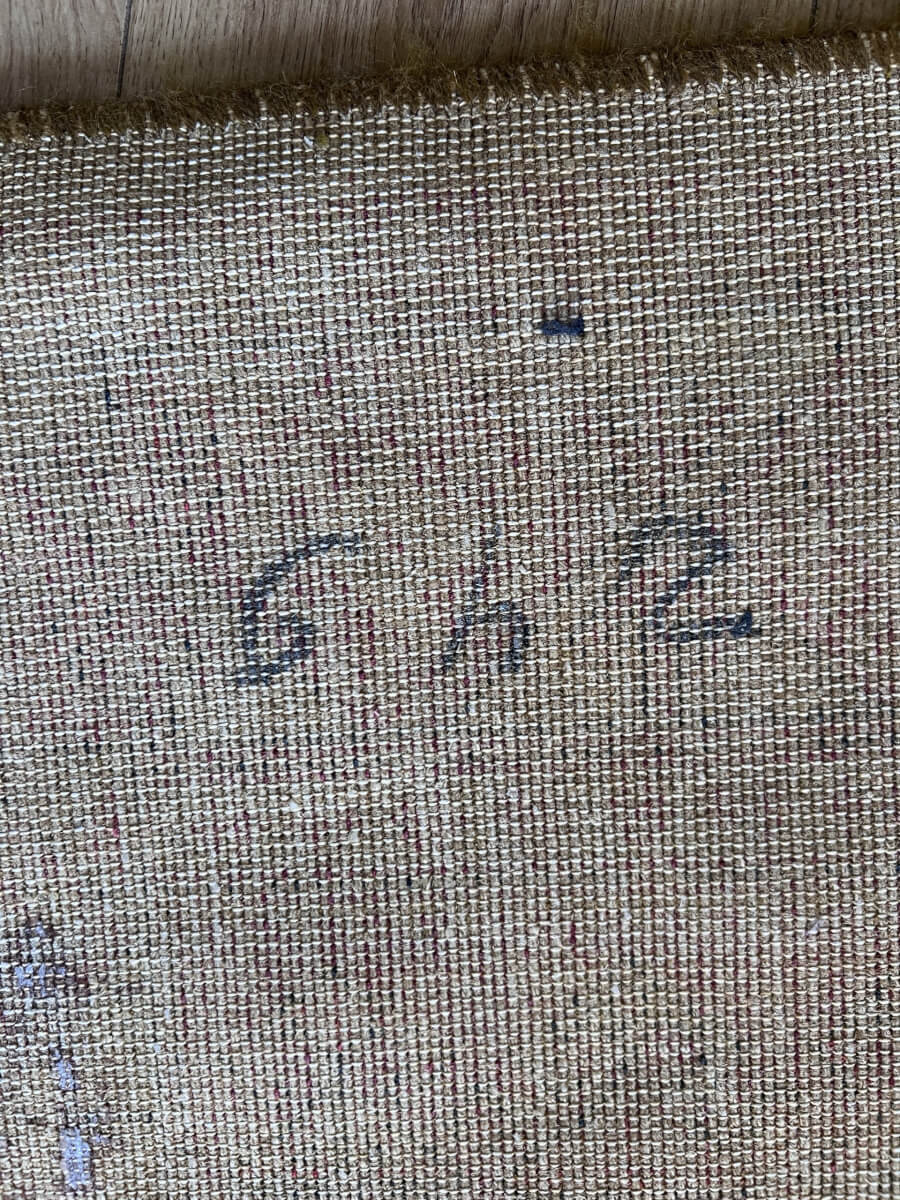
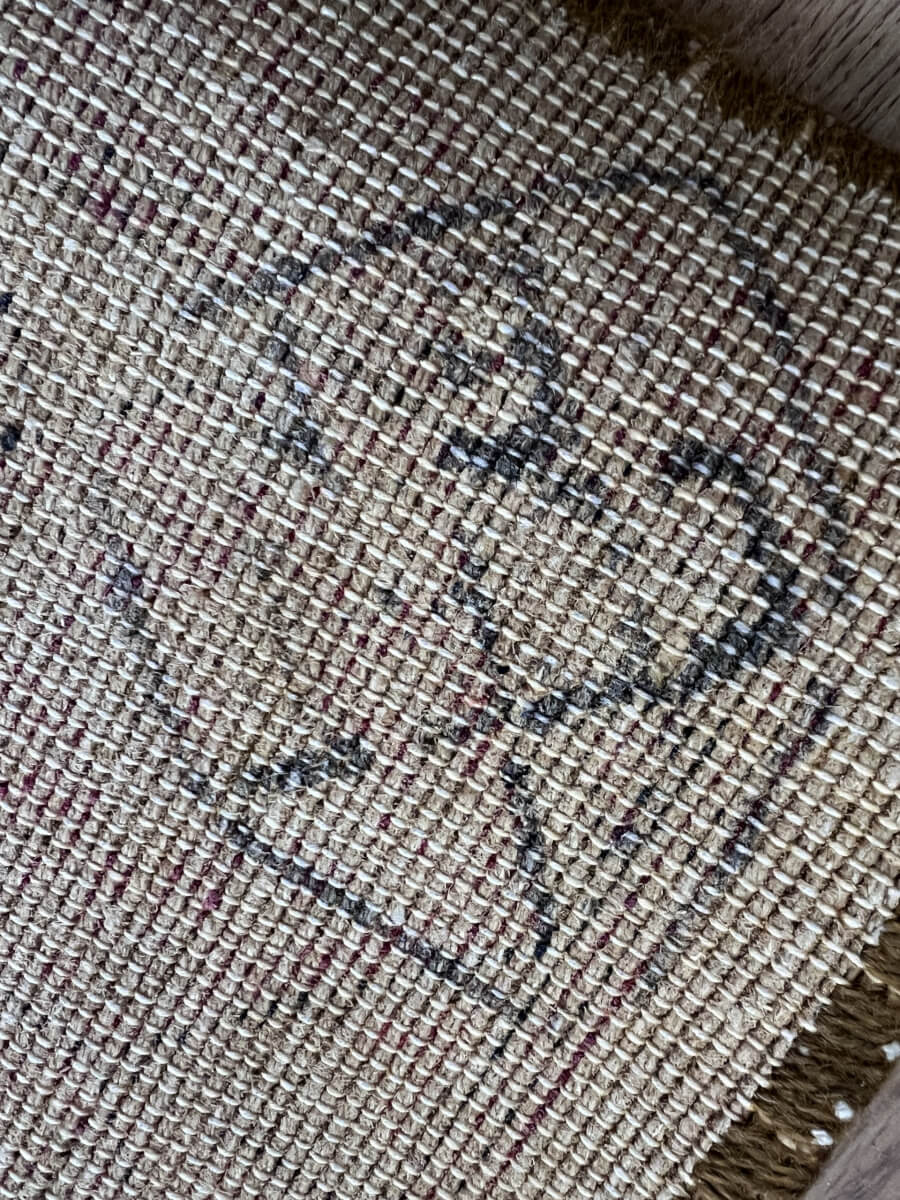
On the back, the foundation weave carries a handwritten number and an ink stamp in one corner. The rug is in very good condition.
Felix Dzerzhinsky (1877-1926), a revolutionary from the Polish minor nobility, founded the Cheka in December 1917, the first political police of the Bolshevik government and the ancestor of the GPU, the NKVD and later the KGB. Nicknamed “Iron Felix”, he also served as People’s Commissar for Communications and then chaired the Supreme Council of the National Economy. After his death in 1926 his image became the object of an official cult: the Lubyanka Square statue unveiled in 1958, towns, factories and schools named after him, portraits hanging in the offices of the security services.
In Soviet flats and offices, rugs were hung on the wall, where they served as both decoration and insulation. Woven portraits of leaders and revolutionary figures belong to that tradition. This rug is meant to be hung, not laid on the floor.
Additional information
| Weight | 5 kg |
|---|---|
| Dimensions | 85 × 20 × 20 cm |