Soviet Fighter Jet Control Stick - Radar Lock and Stabilization - USSR
$749.99Unique piece
Soviet Fighter Jet Control Stick - Radar Lock and Stabilization - USSR
$749.99Unique piece
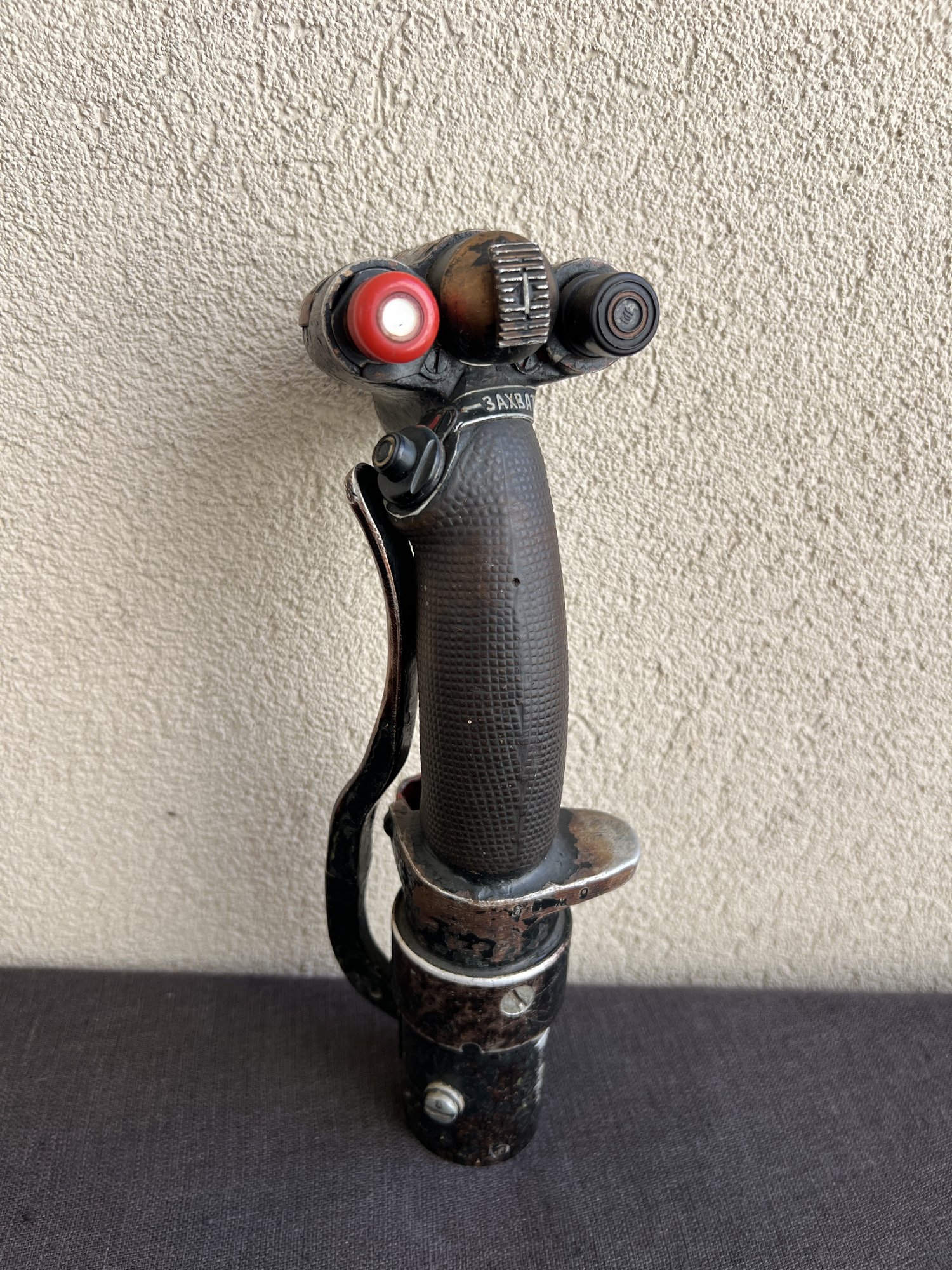
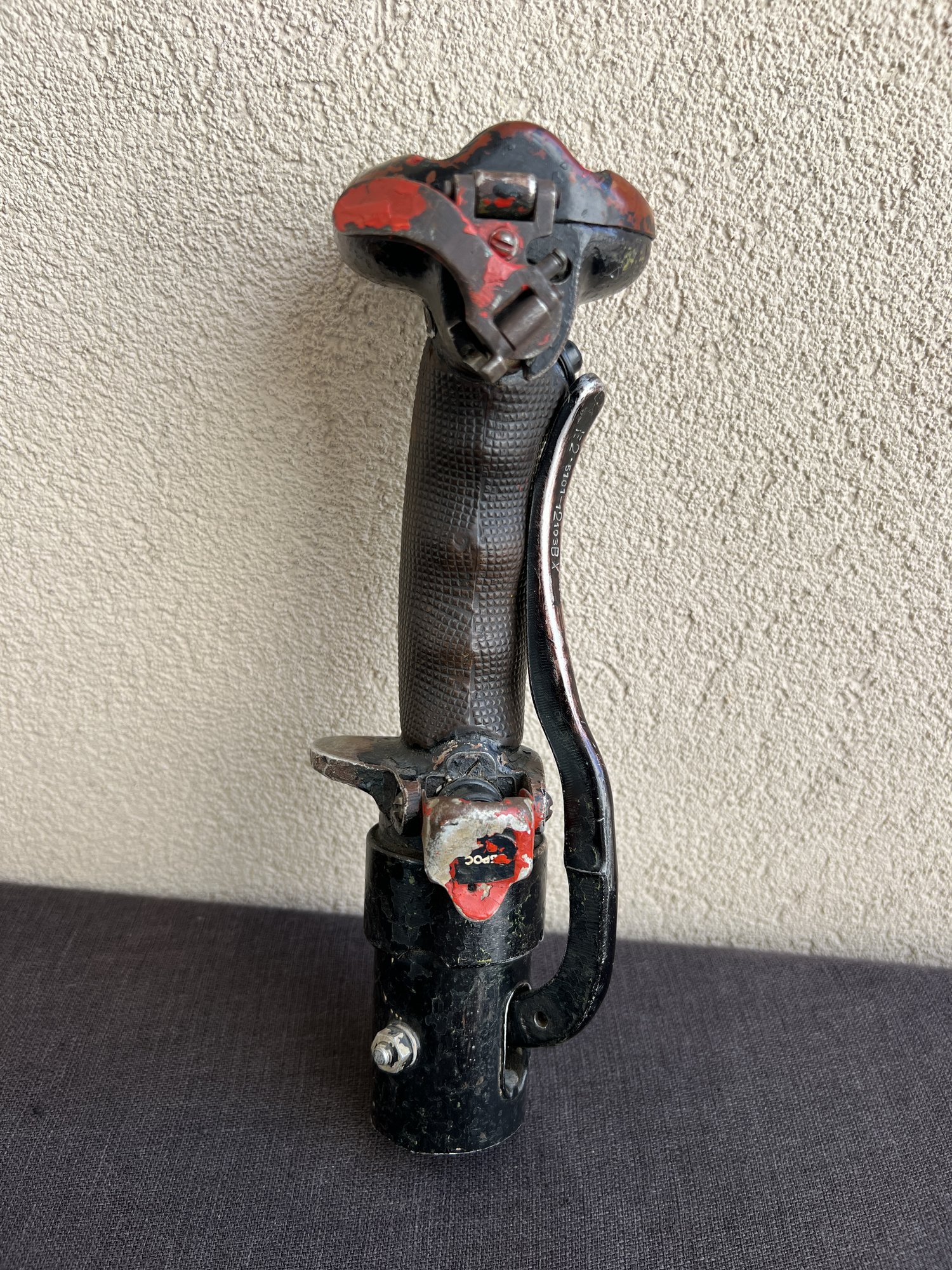
Control stick grip from a Soviet jet fighter, removed from its aircraft, 26 cm tall.
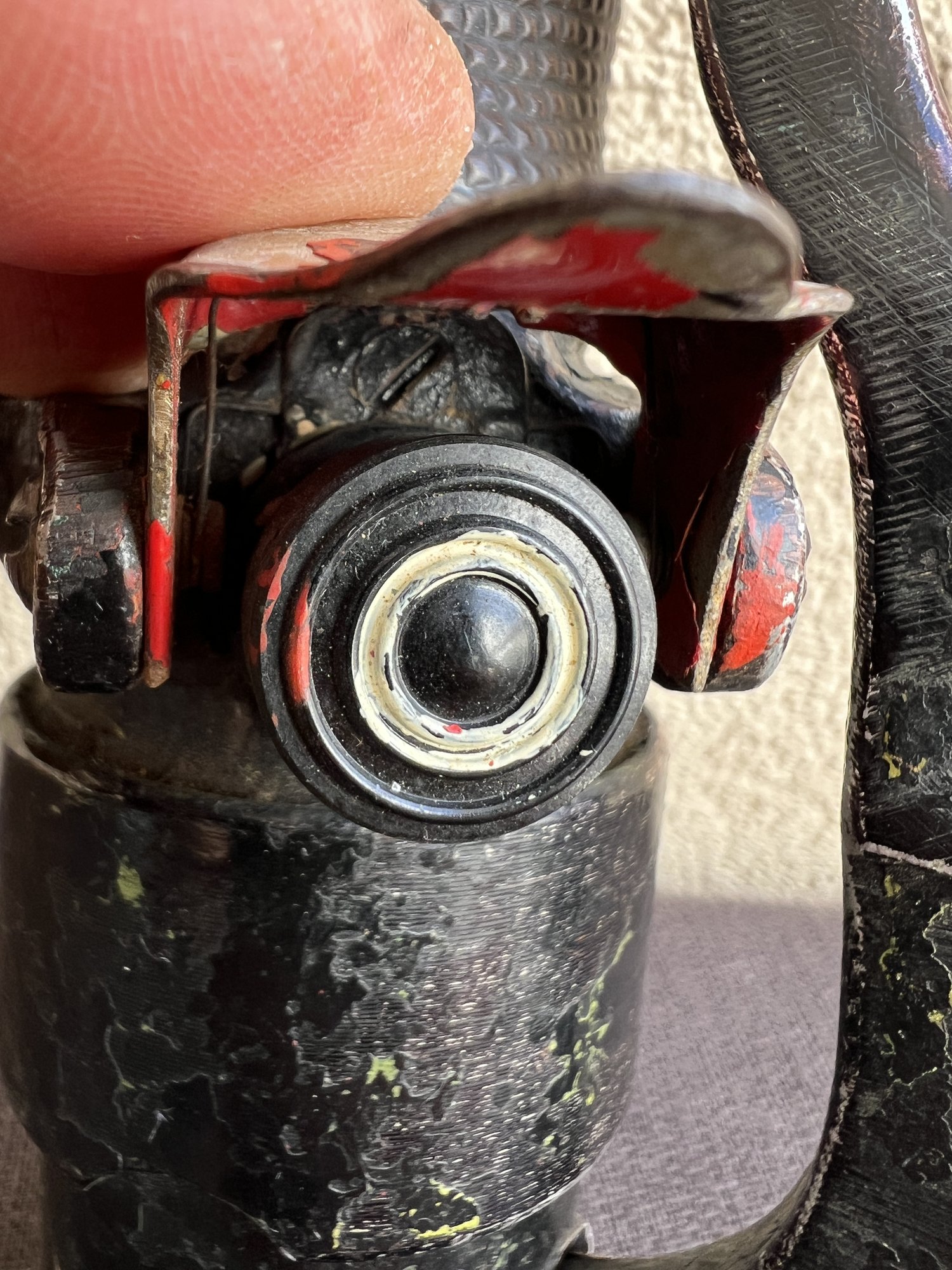
Its Cyrillic-marked controls operate automatic stabilization, trim and radar target lock. Used condition, complete with its brake lever.
1 in stock
Message received, dear comrade.
Our information desk usually replies within 24 hours at the address provided.The Brezhnev era. Détente with the West, SALT treaties, the Apollo-Soyuz mission. Economic stagnation and growing corruption.
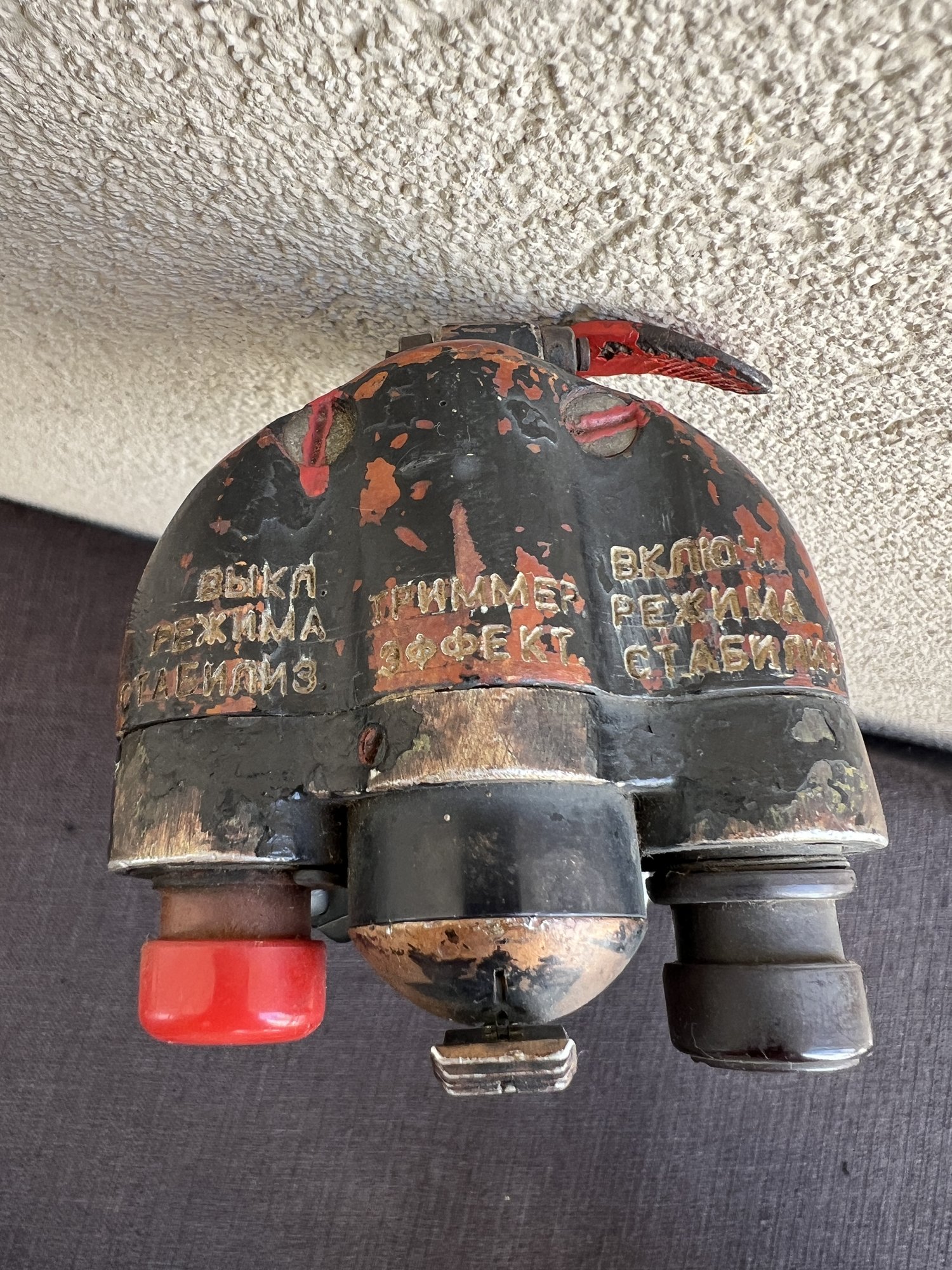
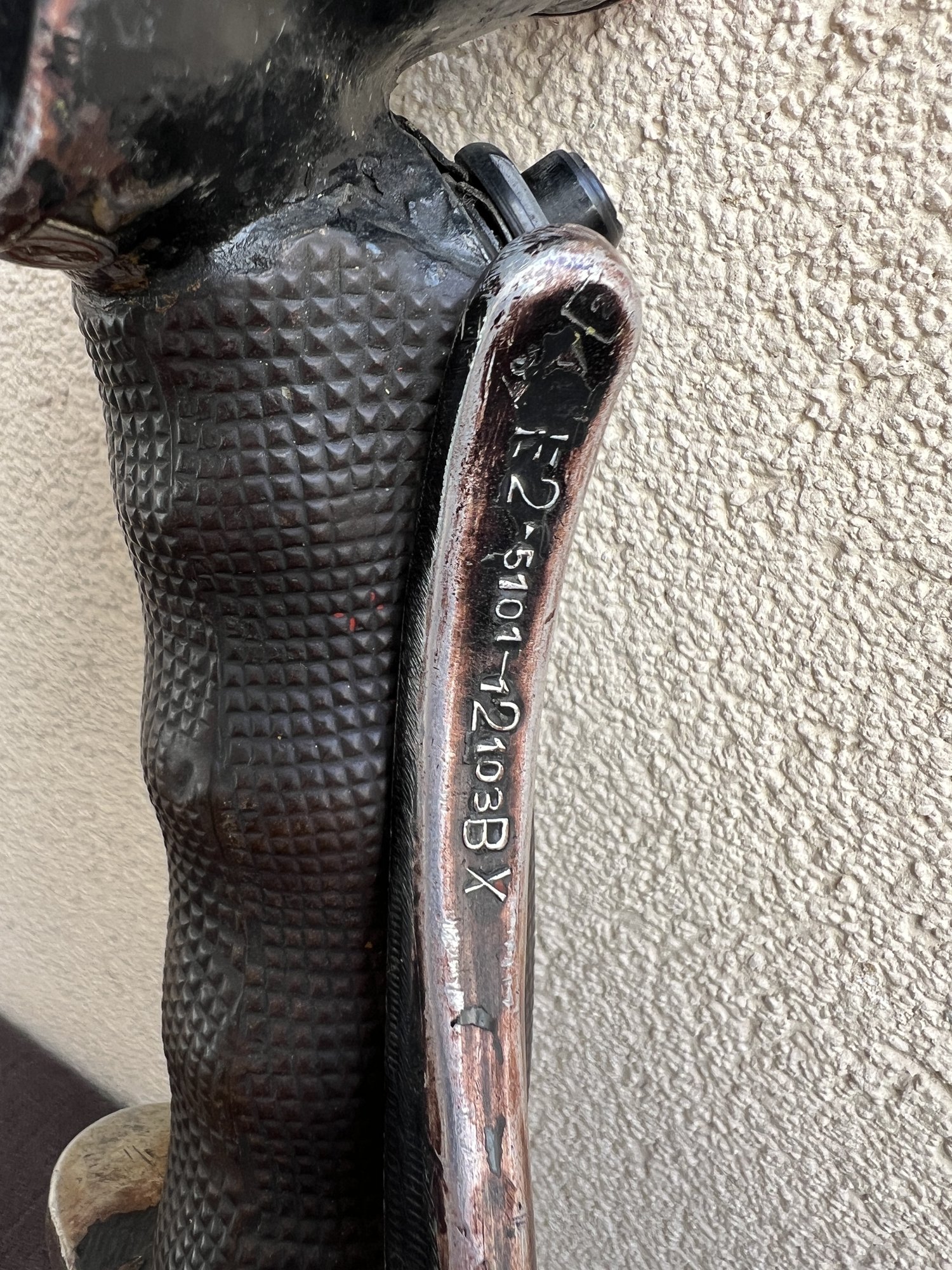
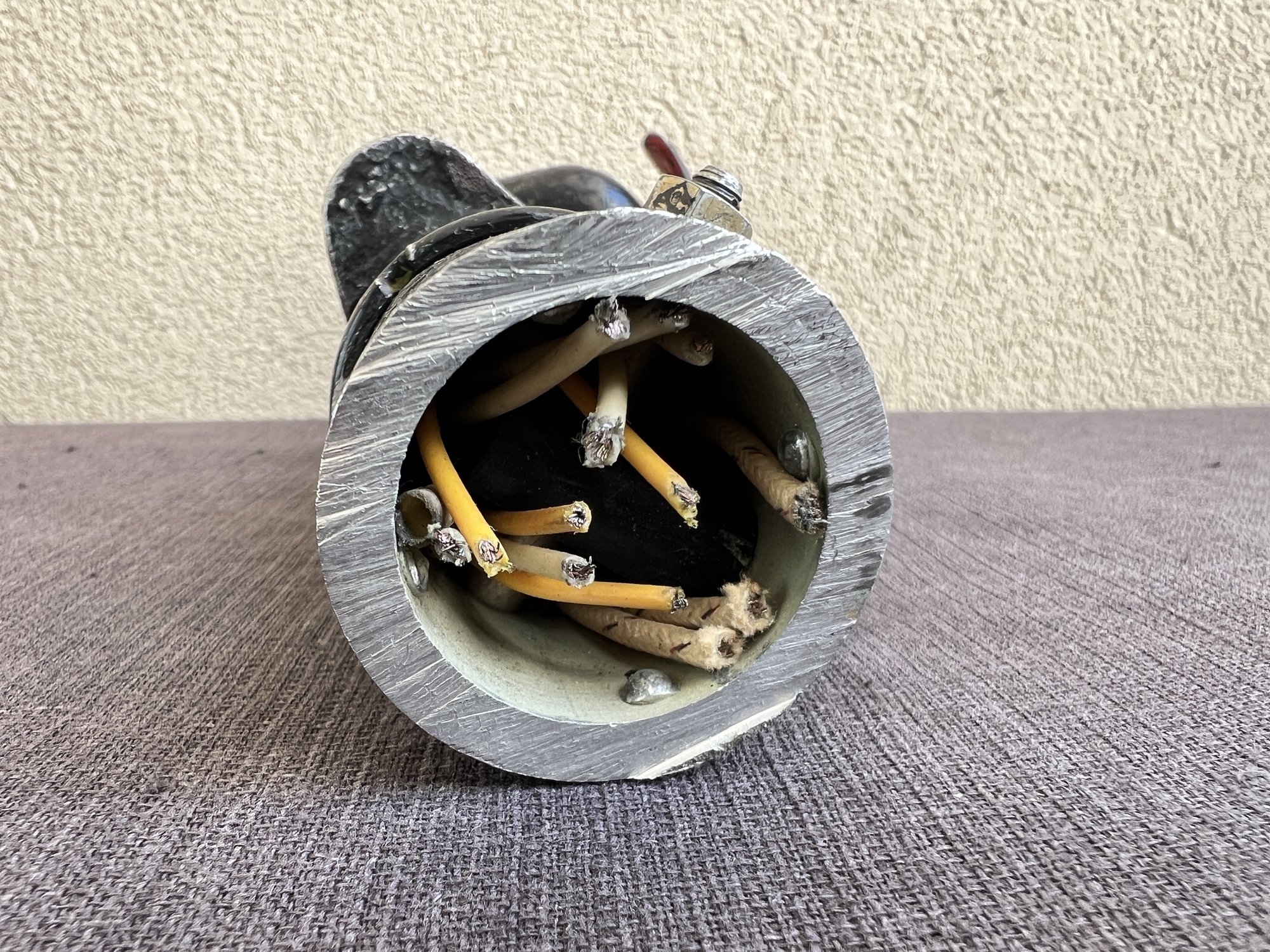
Control stick grip from a Soviet fighter aircraft, removed from its airframe, complete with wheel brake lever, folding trigger guard and switch head. Height 26 cm. The wires are cut at the base, where the grip was connected to the stick.
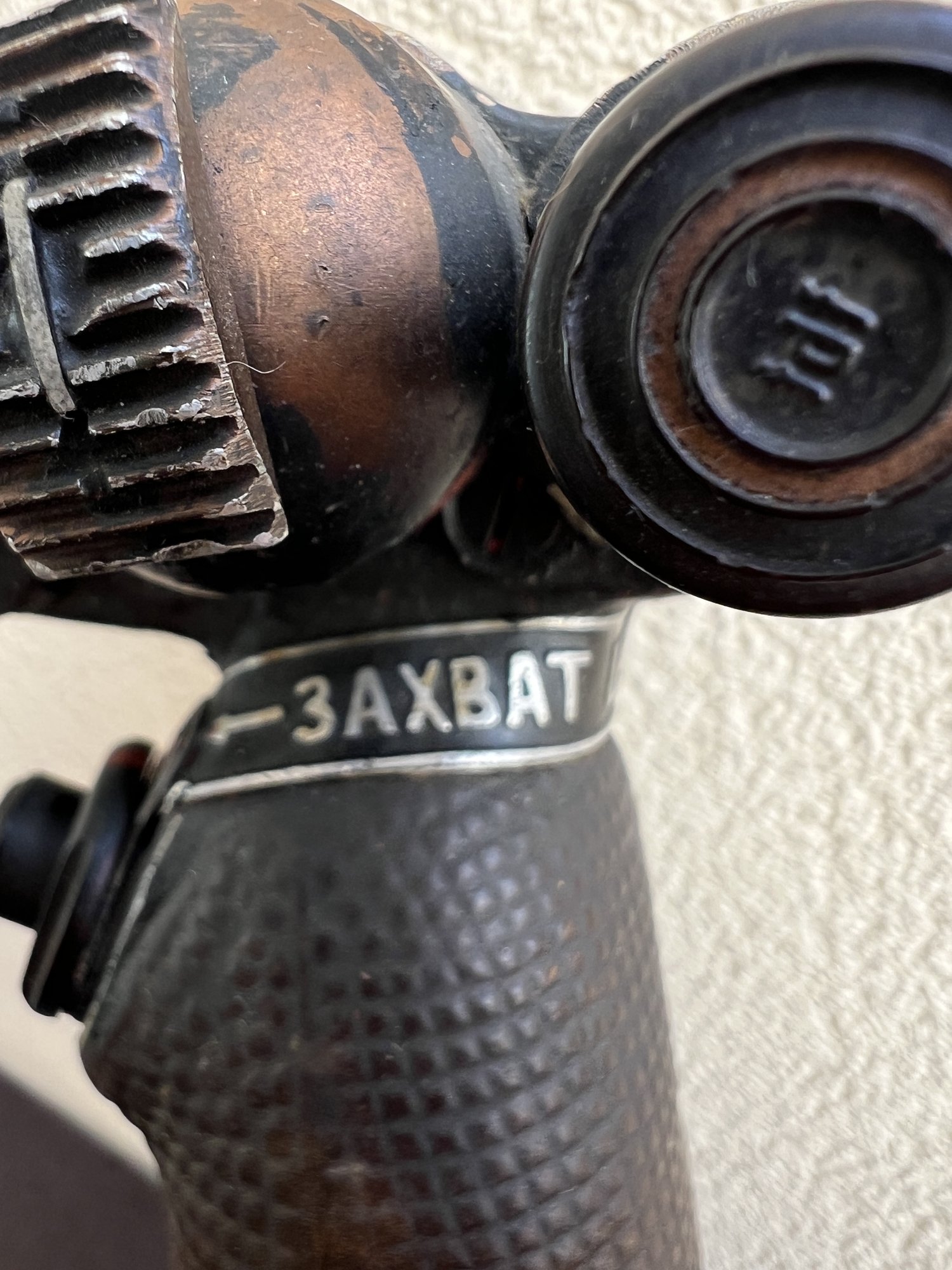
The raised markings on the switch head list the functions under the pilot’s thumb: ВКЛЮЧ. РЕЖИМА СТАБИЛИЗ. (Stabilization mode on), ВЫКЛ. РЕЖИМА СТАБИЛИЗ. (Stabilization mode off) and ТРИММЕР ЭФФЕКТ. (Stick force trim). On the collar below the head, ЗАХВАТ (Lock) is the target lock-on command for the onboard radar or gunsight. Under a safety flap at the base, a last button is marked СБРОС (Jettison).
This set of functions places the grip in the generation of Soviet fighters fitted with an automatic flight control system able to hold attitude and altitude, a pilot aid introduced on late MiG-21 variants and on the MiG-23. The grip probably dates from the 1970s, based on this equipment. One hypothesis: a late-model MiG-21. The MiG-21bis stick combines exactly a trim switch, autopilot controls, a radar lock-on button, the wheel brake lever and, under a small red cover, a jettison button. The ЗАХВАТ button, placed so the pilot could lock a target without letting go of the stick, reflects Soviet Cold War interception doctrine, in which fighters were vectored from the ground until radar contact.
Used condition: chipped paint, metal wear at contact points, handling marks. The buttons and lever mechanism are present. A real cockpit part for a desk or a military aviation collection.
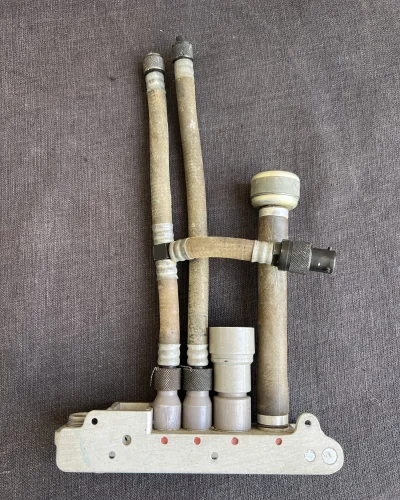
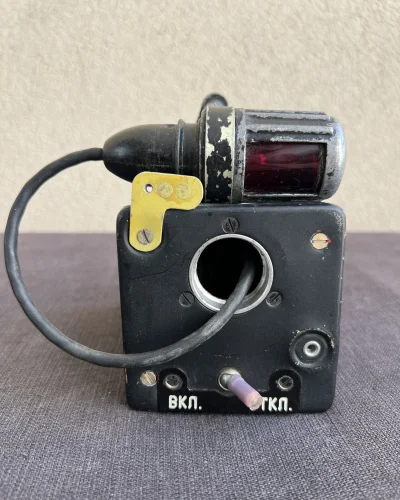
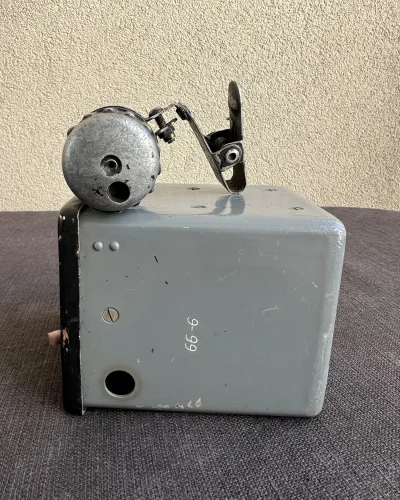
This piece is part of a group of equipment from a Soviet MiG-21 built from 1968 onwards, kept in the reserve collection of a military museum in Germany.
Additional information
| Weight | 1.2 kg |
|---|---|
| Dimensions | 35.0 × 20.0 × 15.0 cm |