




Soviet Jet Engine Turbine Blade - USSR Aviation - Fir-Tree Root
Soviet Jet Engine Turbine Blade - USSR Aviation - Fir-Tree Root
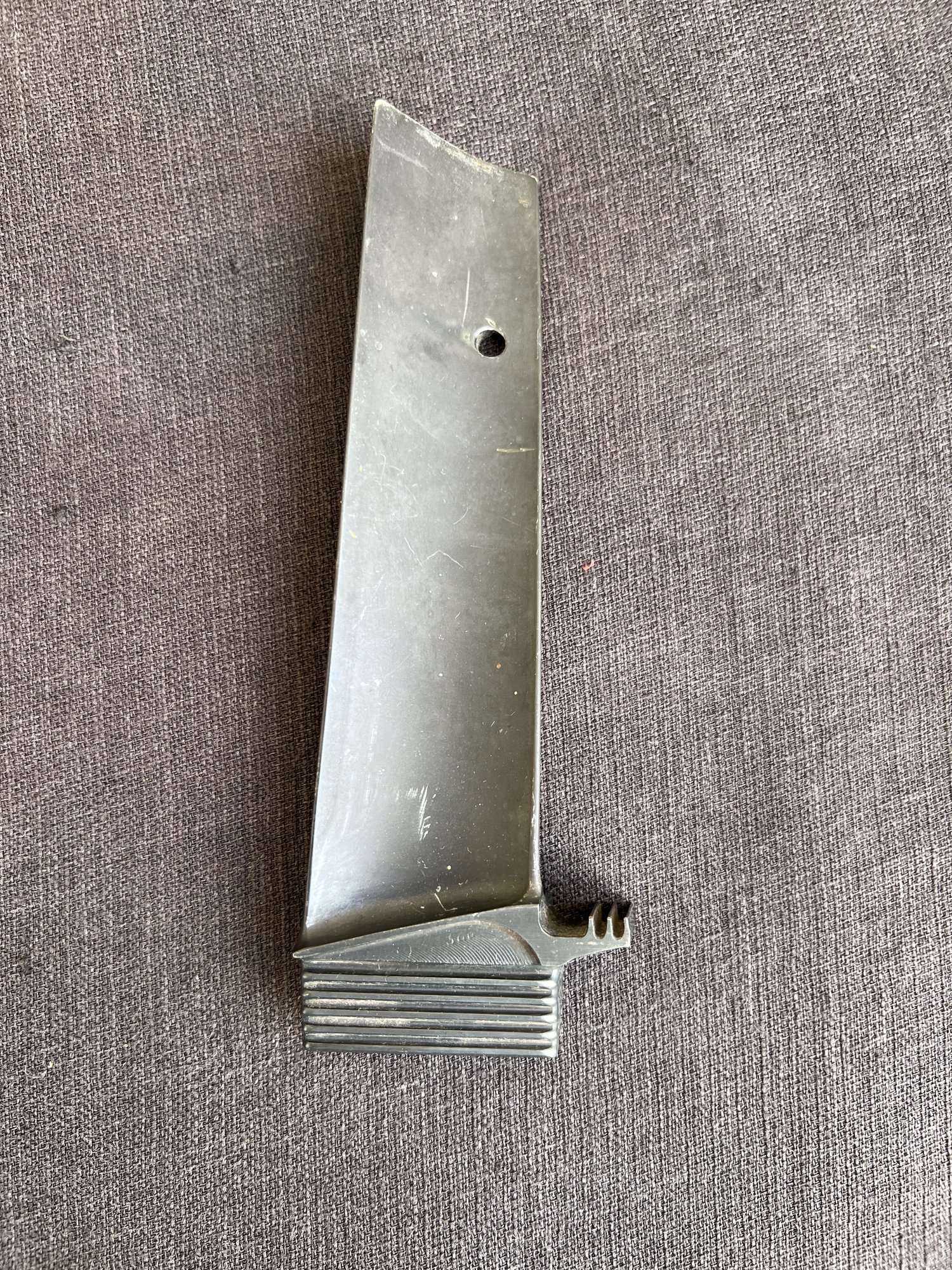
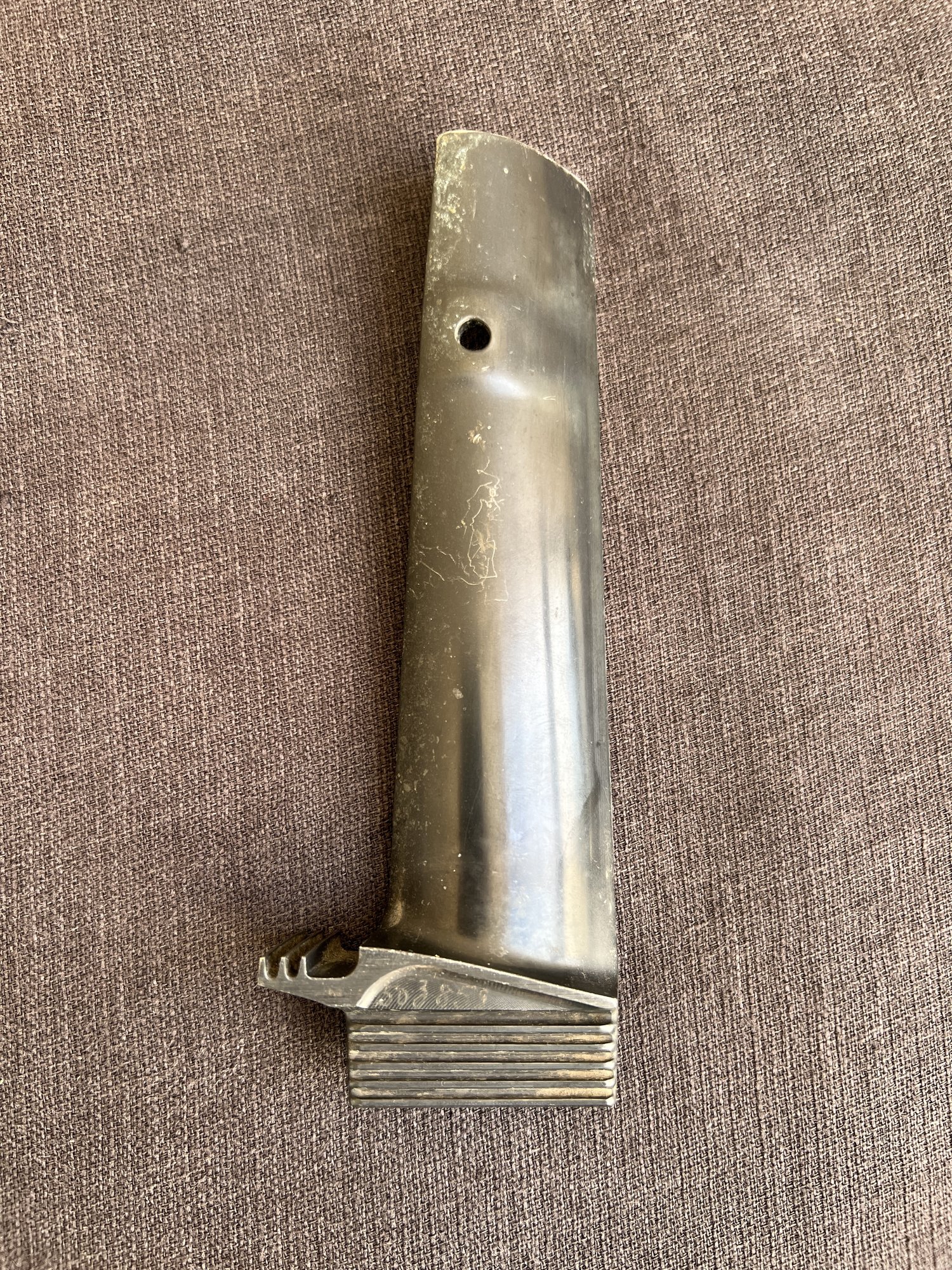
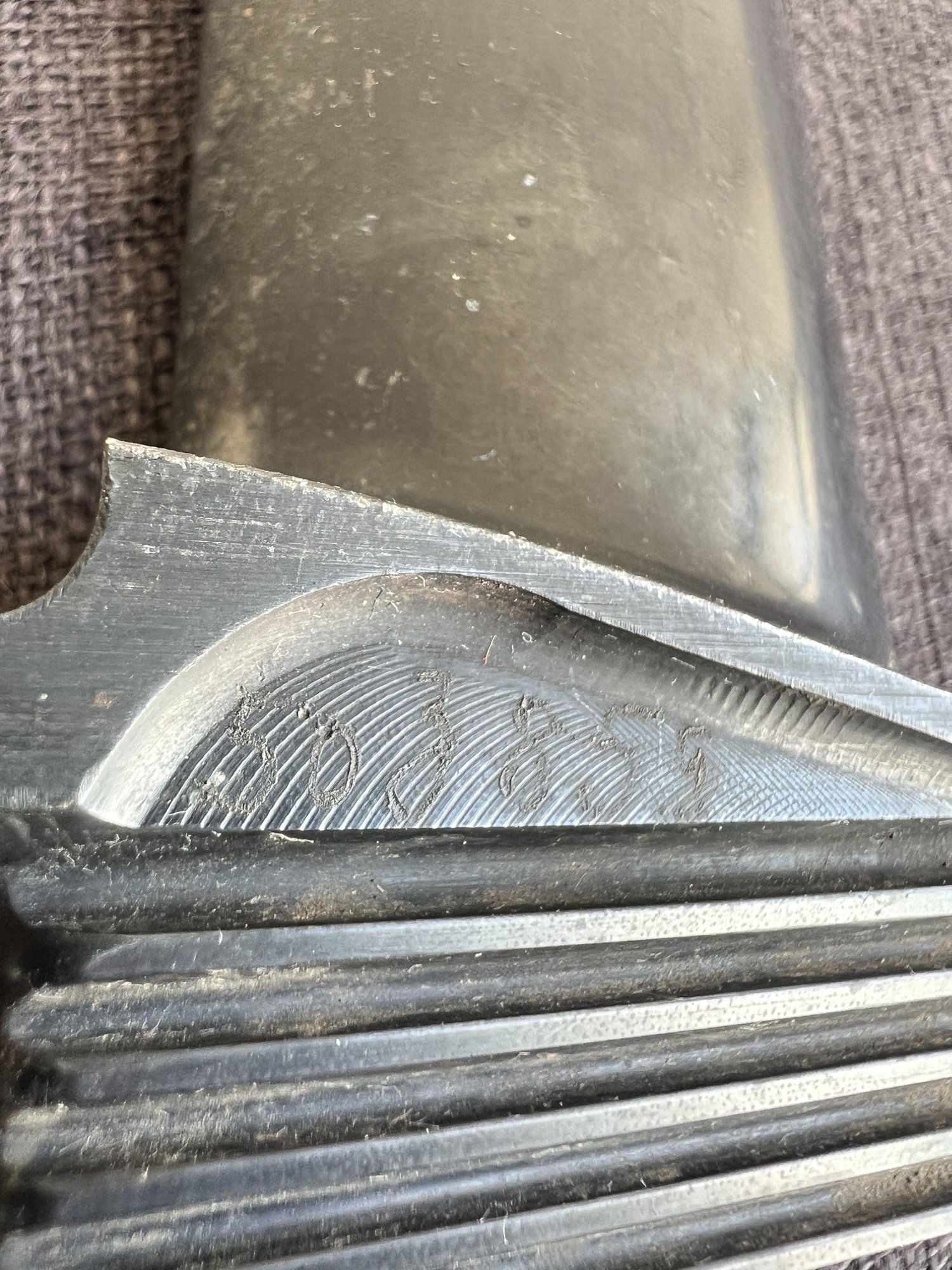
Turbine blade from a Soviet jet engine, complete with its fir-tree root and individually electro-etched number.
A working component of USSR aviation, showing the marks of its service life.
Sold
Sale price
For newsletter subscribers. One price per month.
Like this model?
We sometimes find another one. Leave your email and we will let you know when it is listed.
Soviet Jet Engine Turbine BladeOne email per arrival of this model, one-click unsubscribe. Your address is used for nothing else.

Message received, dear comrade.
Our information desk usually replies within 24 hours at the address provided.Related products
The Brezhnev era. Détente with the West, SALT treaties, the Apollo-Soyuz mission. Economic stagnation and growing corruption.



A turbine blade from a Soviet jet engine, probably from the 1970s, judging by the design of its root and the electric pen marking typical of engine workshops of that era. A jet engine turbine carries dozens of blades like this one, each fitted individually into a disc spinning at several thousand revolutions per minute. The fir-tree root holds the blade in place: its stepped grooves spread the centrifugal load that tries to tear the blade out with every rotation.
An individual number is electro-etched on the platform at the base of the airfoil. In Soviet aero-engine production, as elsewhere, every blade was tracked as a single part, from manufacture until its replacement during an engine overhaul. The hole through the airfoil reads as the passage for a damping wire, which linked the blades together to reduce vibration.
The major Soviet engine design bureaus, Klimov, Tumansky, Lyulka, Soloviev and Kuznetsov, powered the MiG, Sukhoi, Tupolev and Ilyushin fleets. One theory about this blade: retired during an overhaul, it may have become a teaching piece in an aviation technical school, where trainee mechanics learned turbine assembly on real components, or been kept by a factory engineer as a token of his trade.
Scratches and handling marks reflect its working life. A raw piece of industrial hardware for a desk or a Soviet aviation collection.
This piece is part of a group of equipment from a Soviet MiG-21 built from 1968 onwards, kept in the reserve collection of a military museum in Germany.
Additional information
| Weight | 0.5 kg |
|---|---|
| Dimensions | 30.0 × 20.0 × 10.0 cm |

