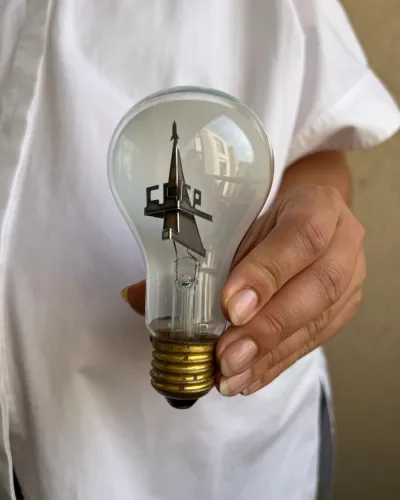
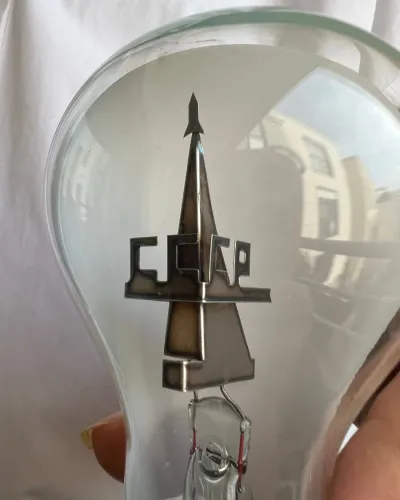
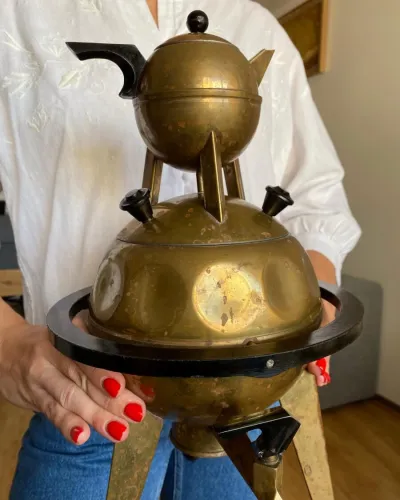
Sputnik Electric Samovar - Space Race - USSR 1976 - Brass
$1,013.99Unique piece
Sputnik Electric Samovar - Space Race - USSR 1976 - Brass
$1,013.99Unique piece
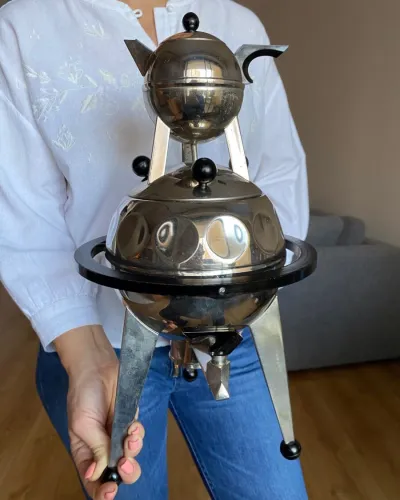
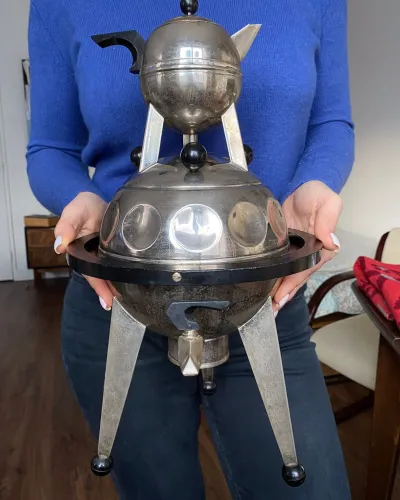
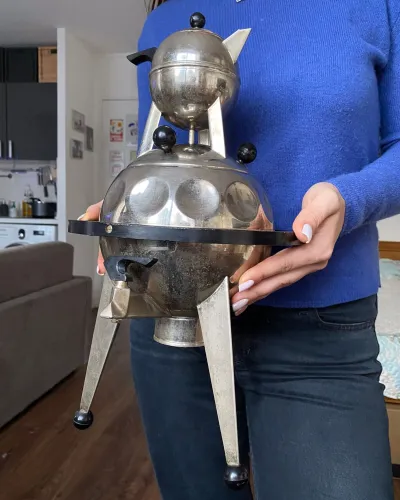
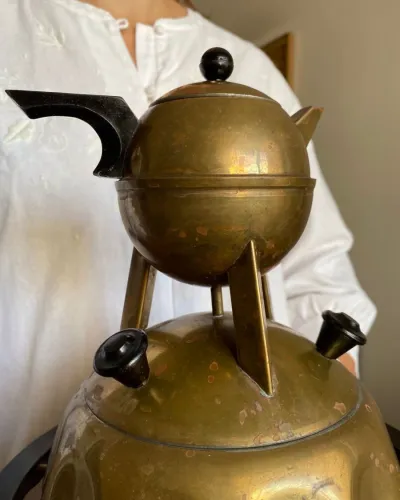
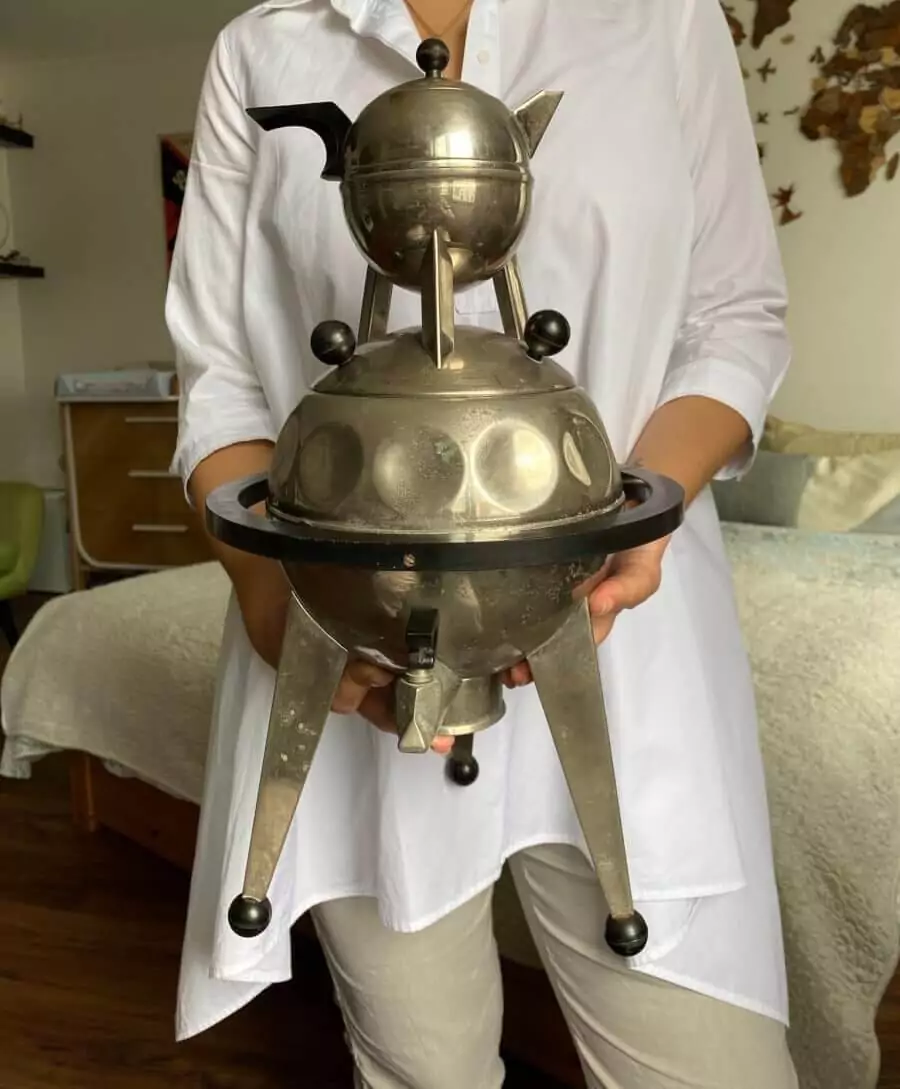
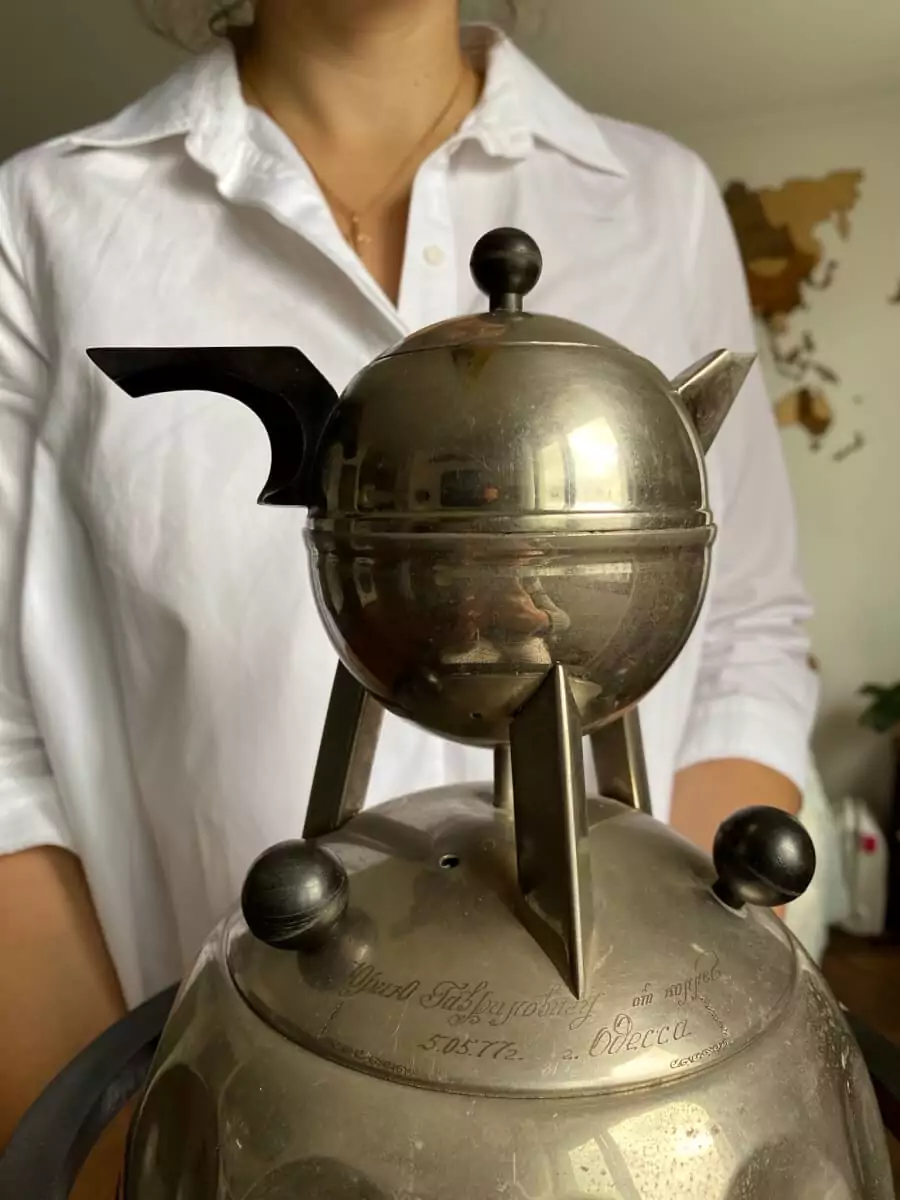
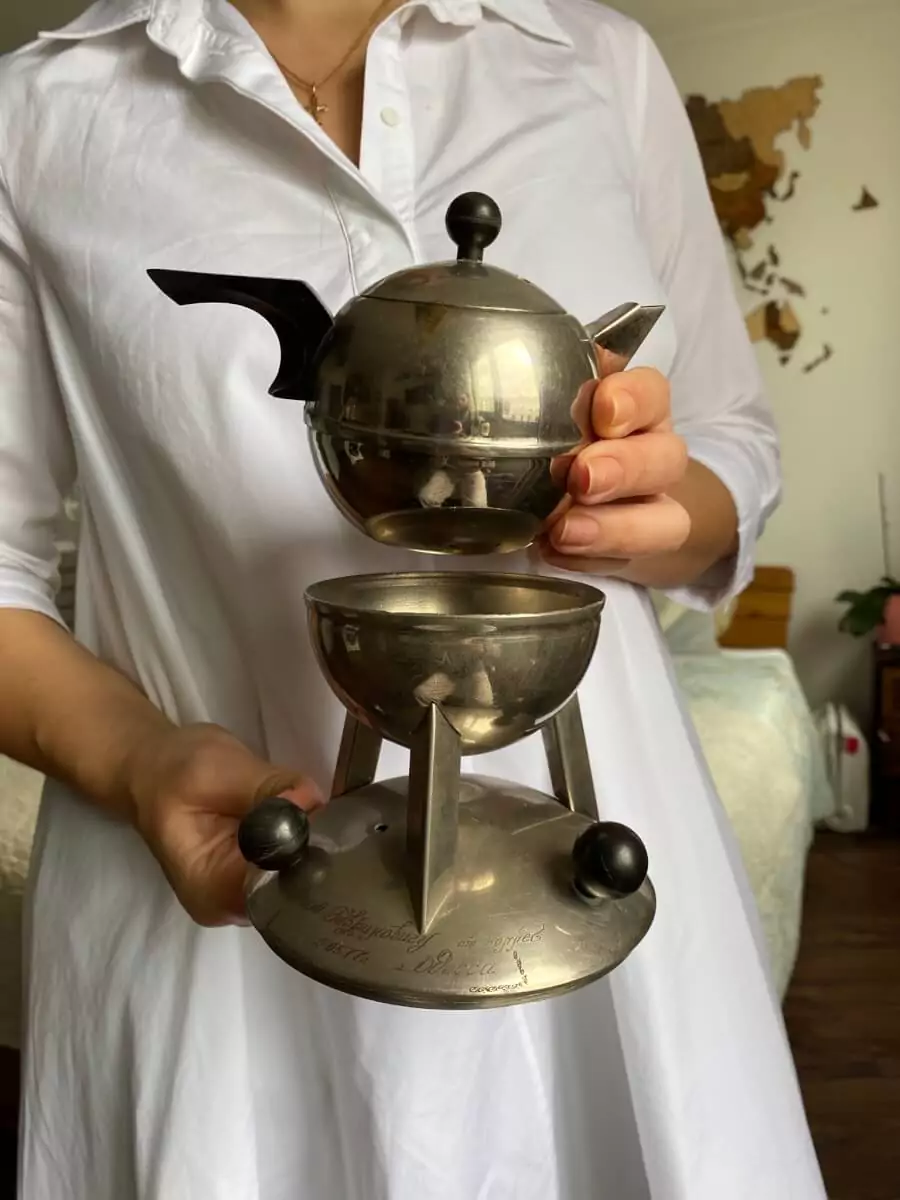
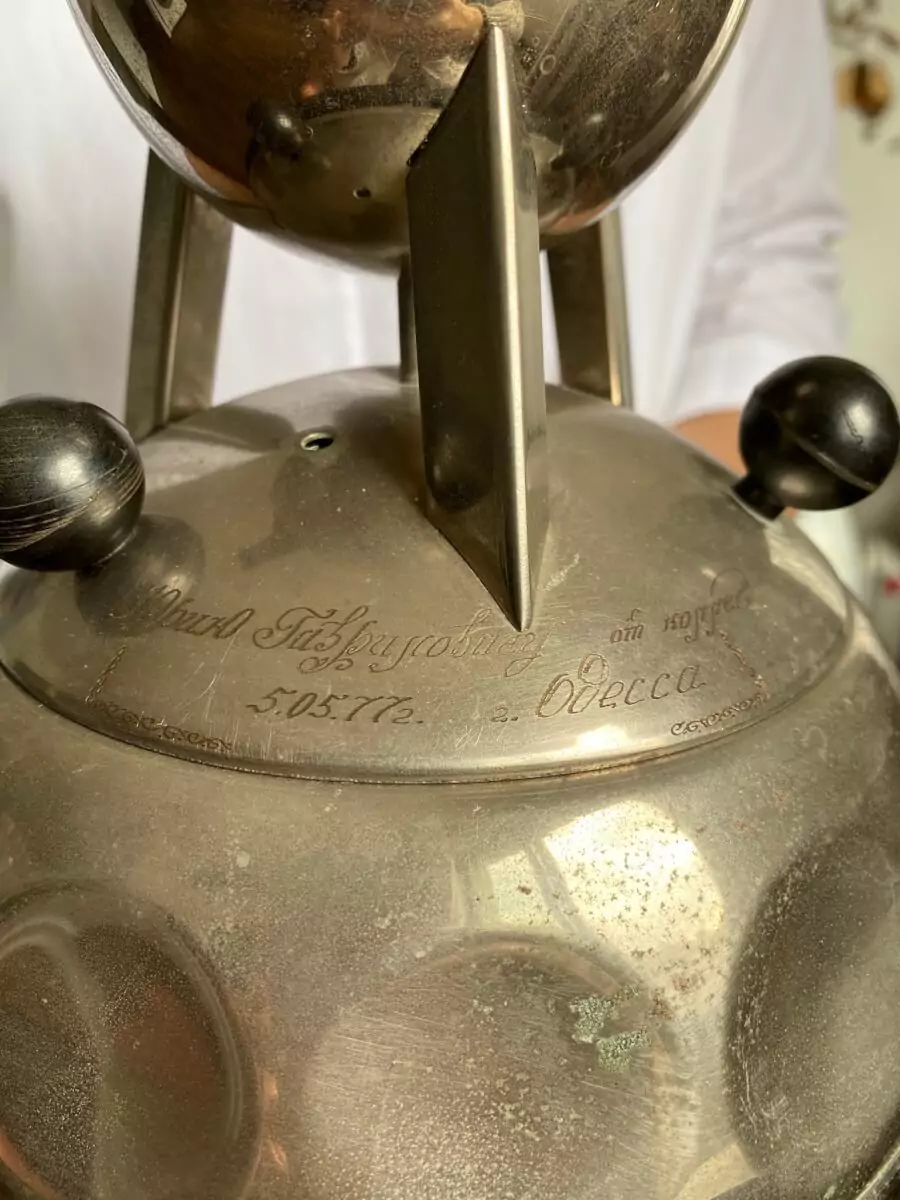
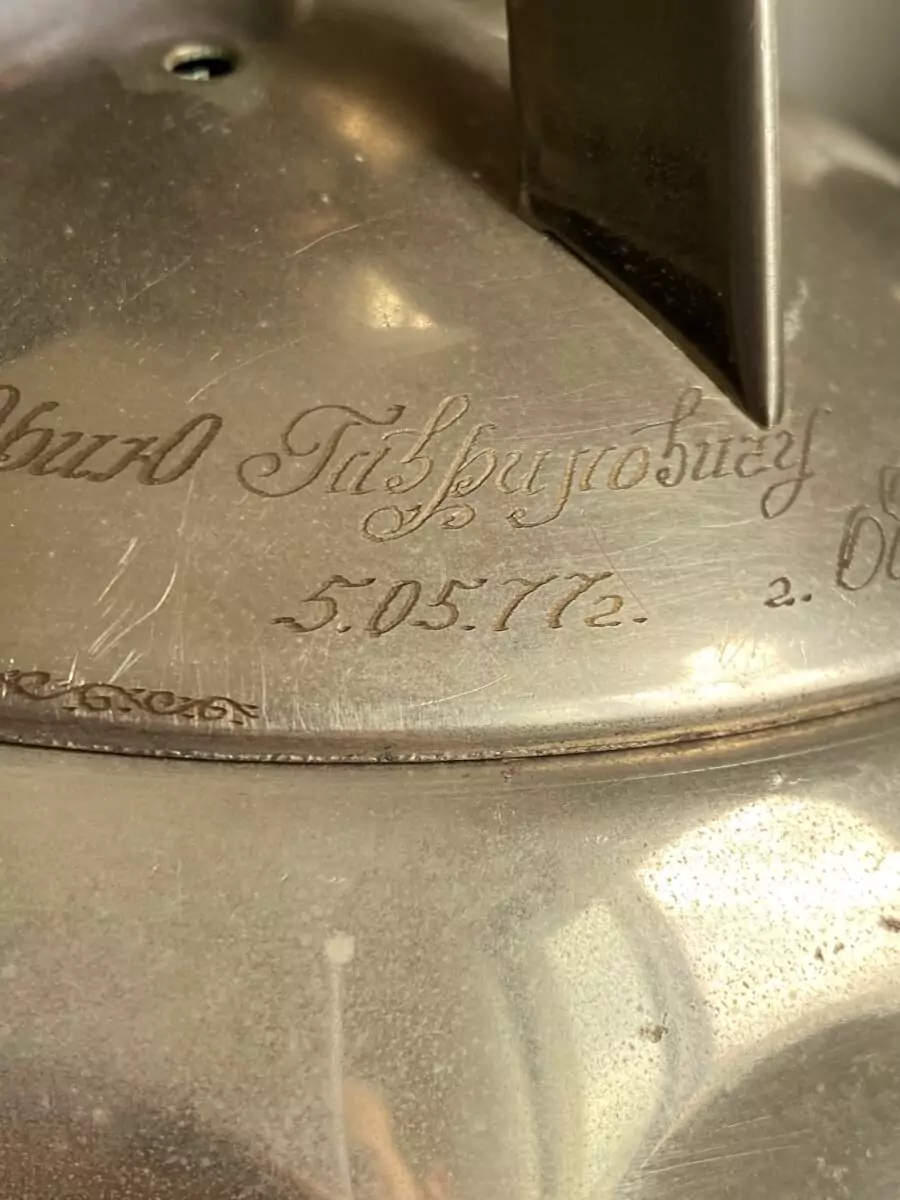
‘Sputnik’ electric samovar from the Suksun factory, made in 1976, with its teapot, engraved ‘To Yuri Gavrilovich, from his colleagues’, Odessa, 5 May 1977. 2.5 litres, 220 V, 800 W, height 45 cm.
1 in stock
Message received, dear comrade.
Our information desk usually replies within 24 hours at the address provided.25th Congress of the CPSU. Brezhnev confirms his power.

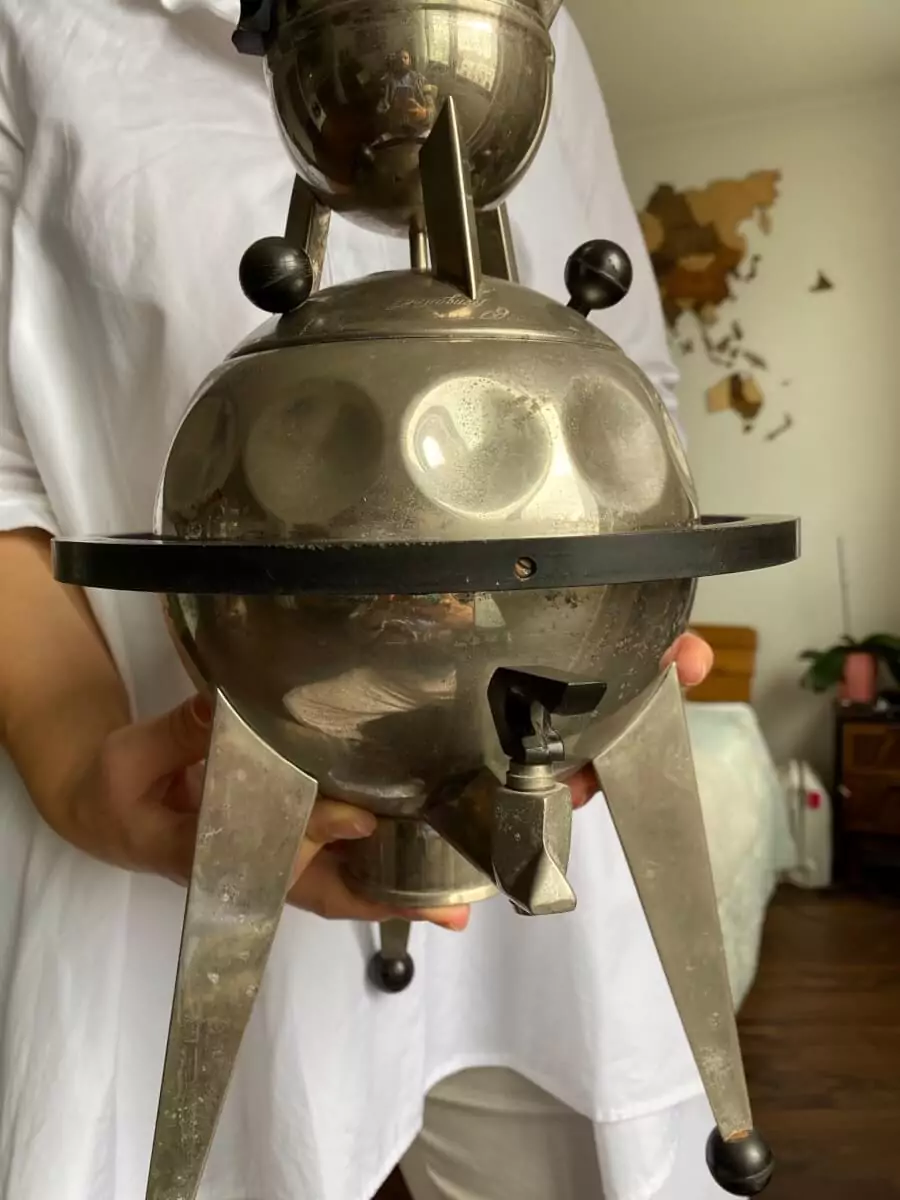
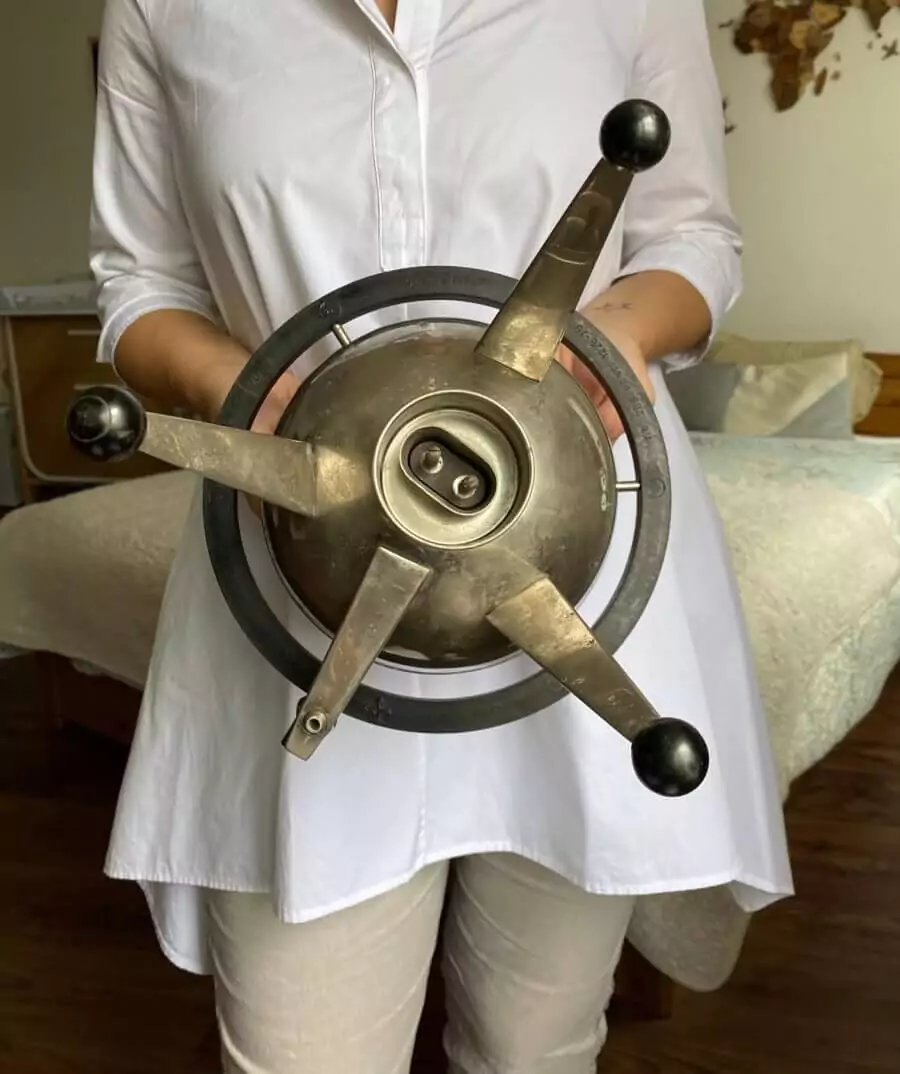
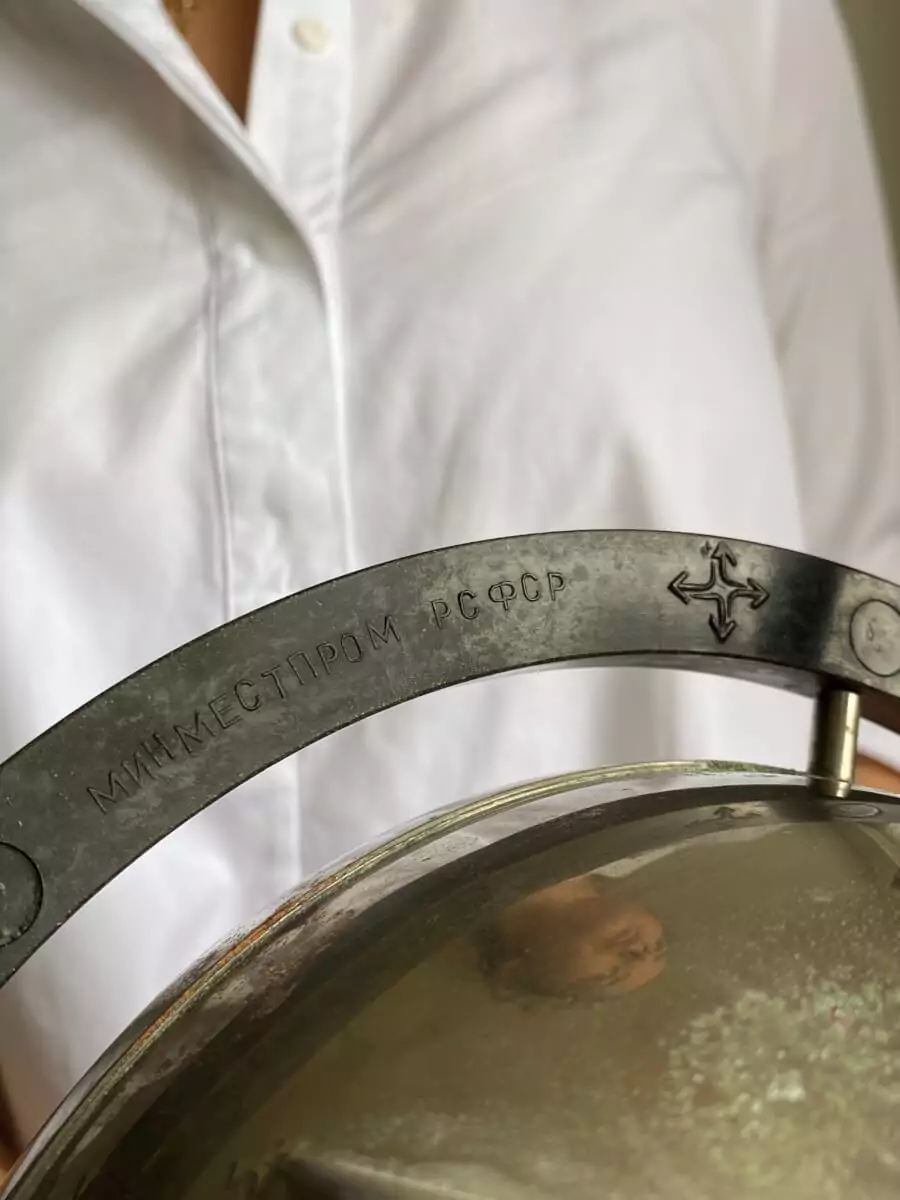
One of the most striking commemorative objects of the Soviet space programme: the ‘Sputnik’ electric samovar. It represents the planet Saturn and Sputnik, the first artificial Earth satellite, launched on 4 October 1957. The spherical tank and tapered legs echo the satellite’s silhouette.
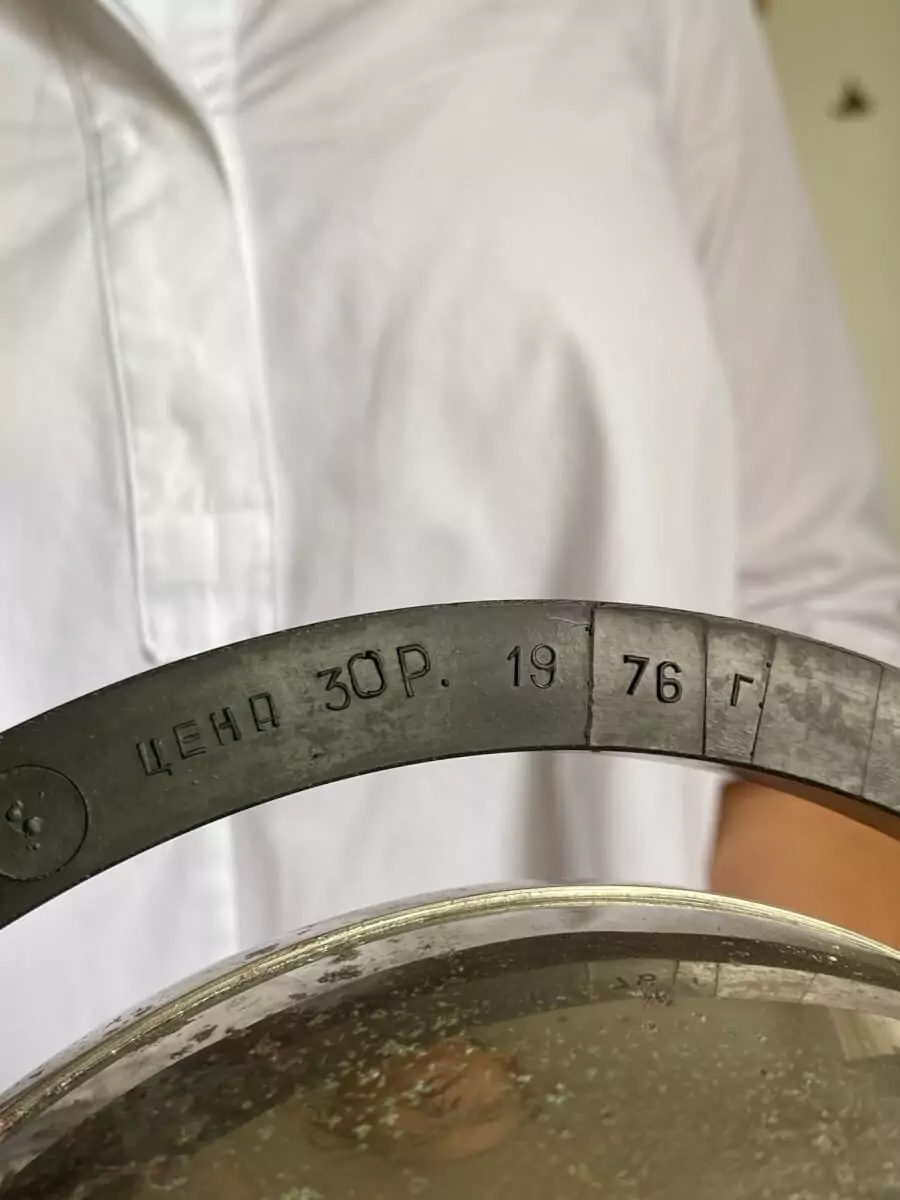
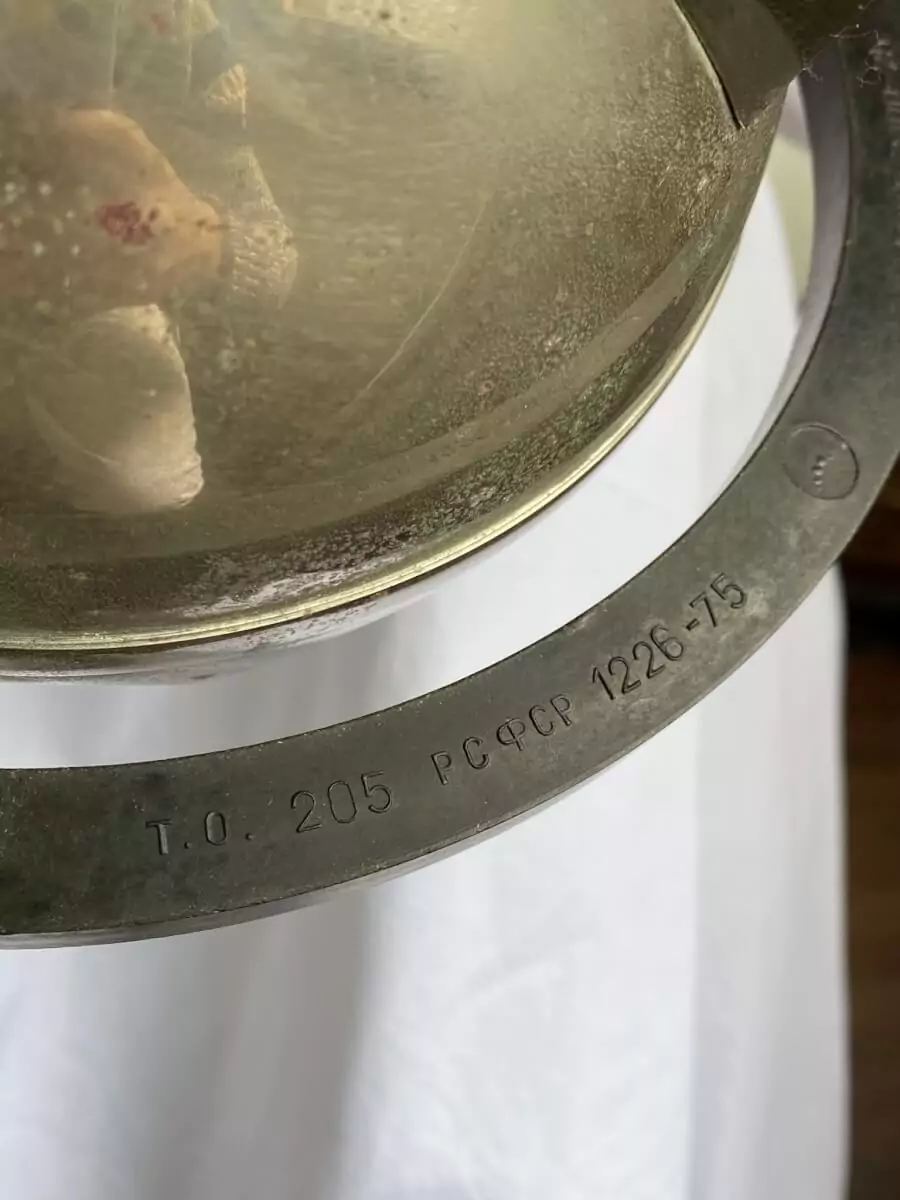
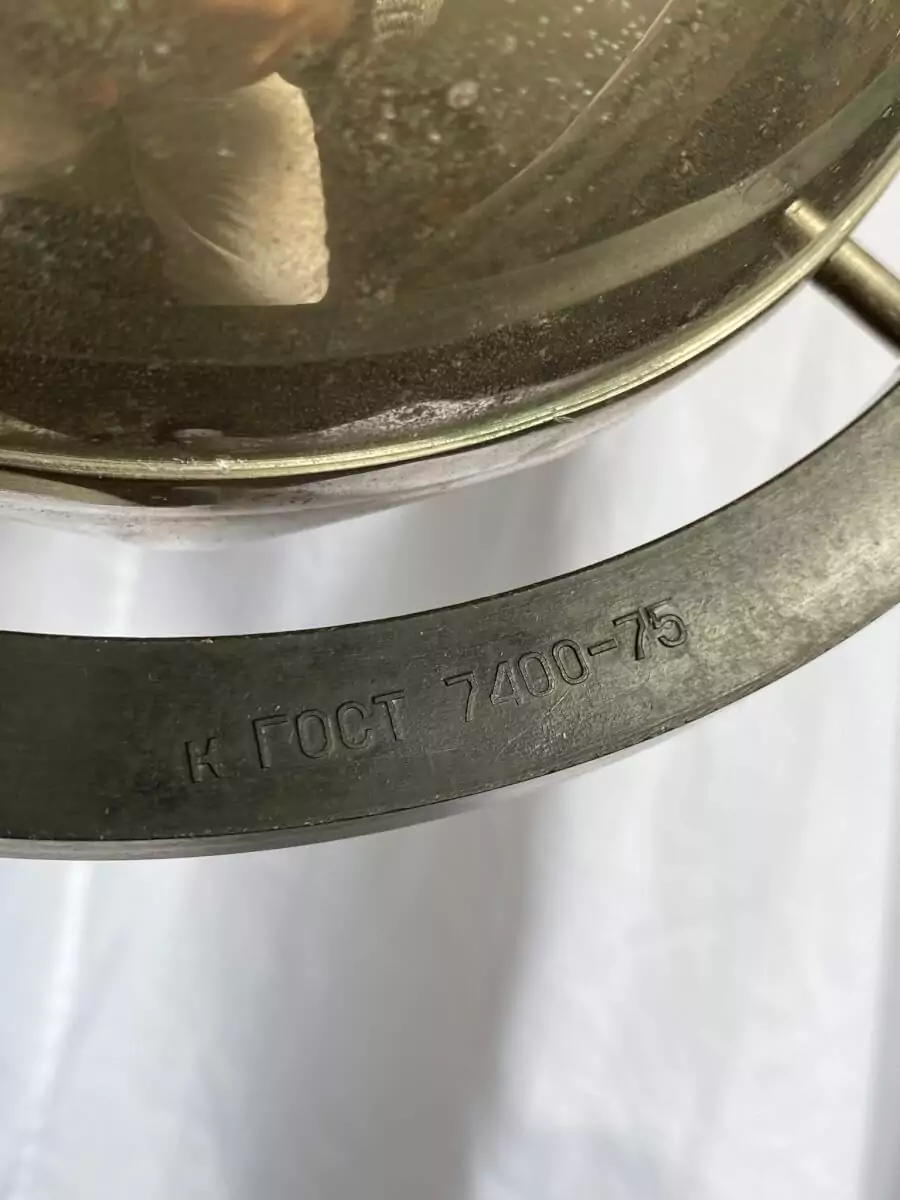
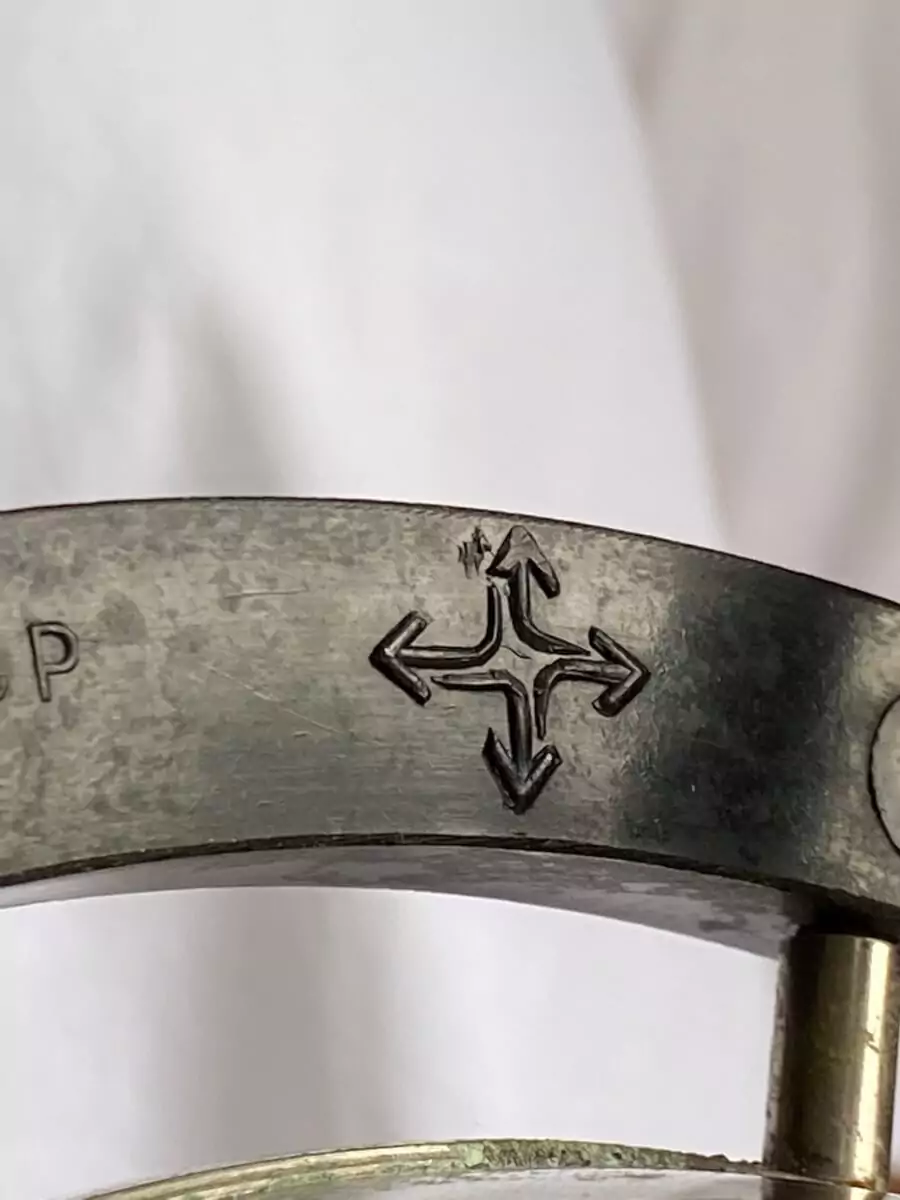
The model was designed by Konstantin Sobakin, a member of the Union of Artists of the RSFSR, for the Suksun metalware factory in the Perm region, where samovars had been made since the 1740s. The drawings date from 1974 and the samovar was produced in small numbers. It was presented to cosmonauts returning from orbit, but demand stayed low, partly because of the price. Ours carries its price, 30 roubles, and its year of manufacture, 1976, moulded under the ring. That was a substantial sum: the average monthly wage was 122 roubles in 1970 and 169 roubles in 1980. Very few samovars of this model are still in circulation.
An example from the Memorial Museum of Cosmonautics in Moscow was lent to the Science Museum in London for the exhibition ‘Cosmonauts: Birth of the Space Age’ (2015-2016), where it was shown alongside real satellites. Others are held by the Moscow Design Museum and the Krasnokamsk museum.
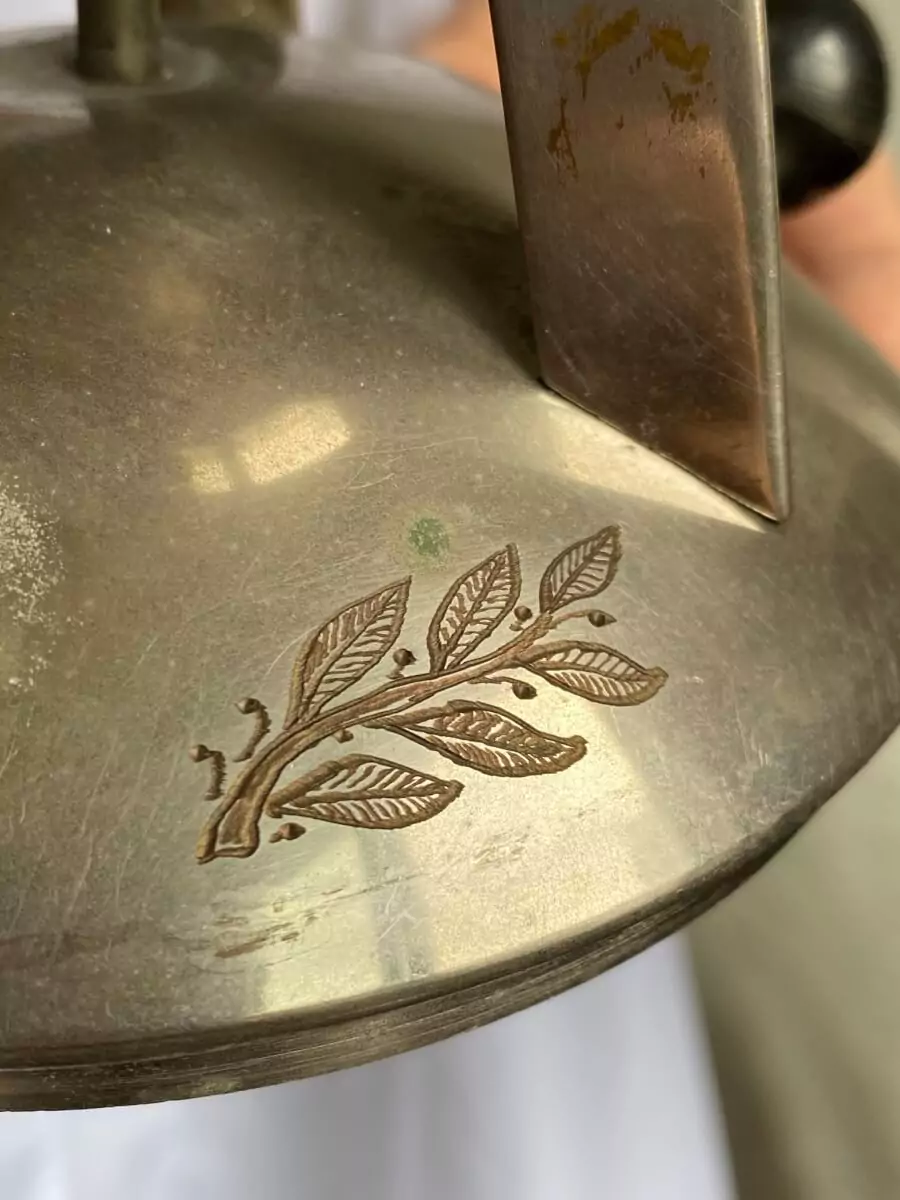
The lid of the tank carries a dedication engraved in Russian, framed by decorative borders and a leafy sprig: ‘To Yuri Gavrilovich, from his colleagues. 5.05.77, Odessa’.
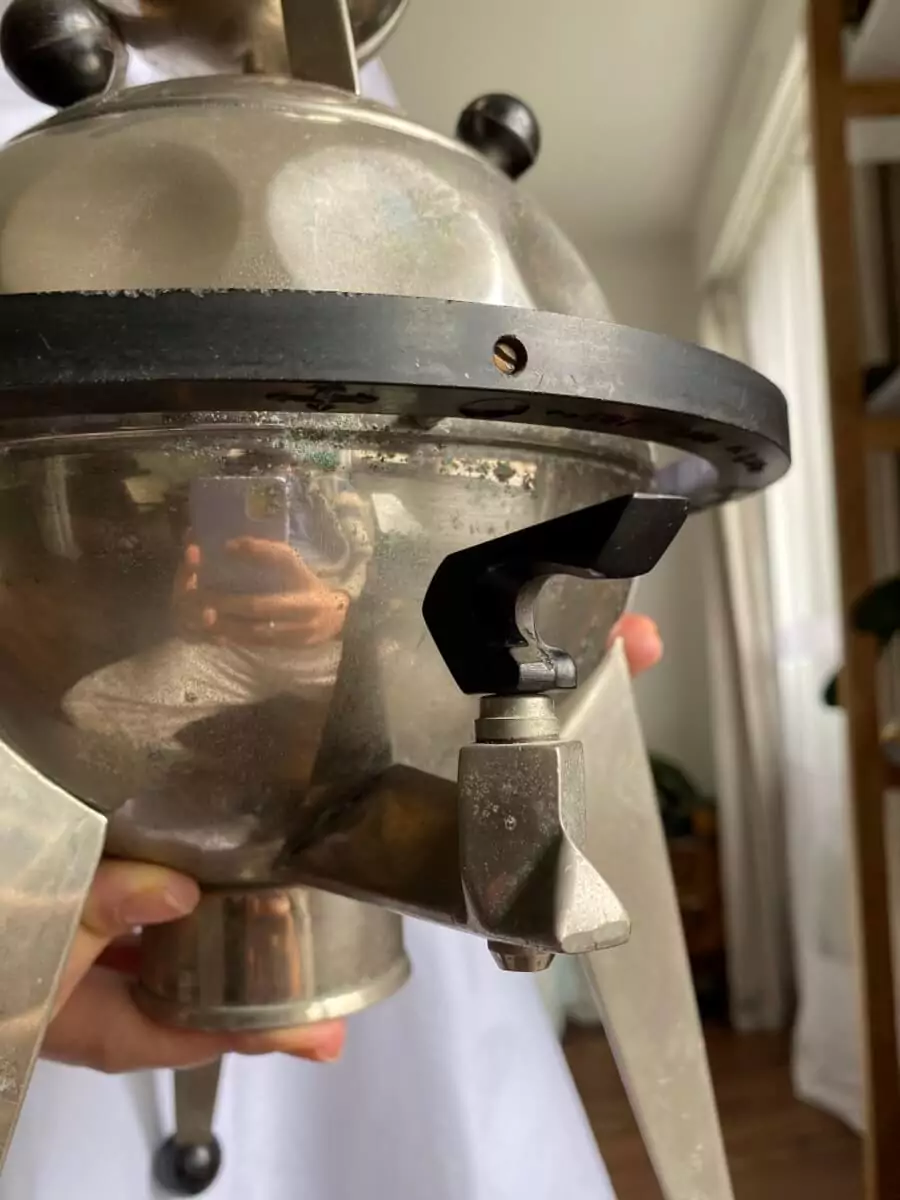
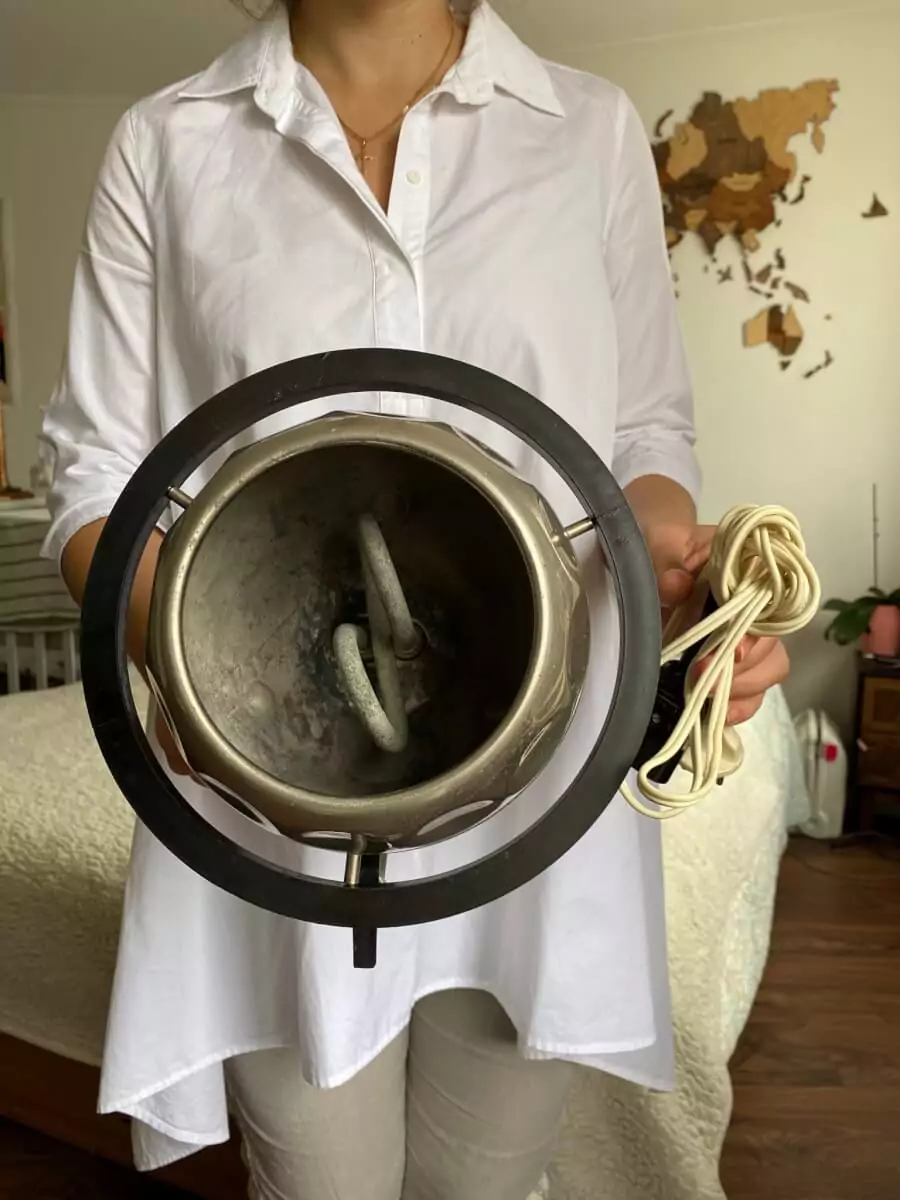
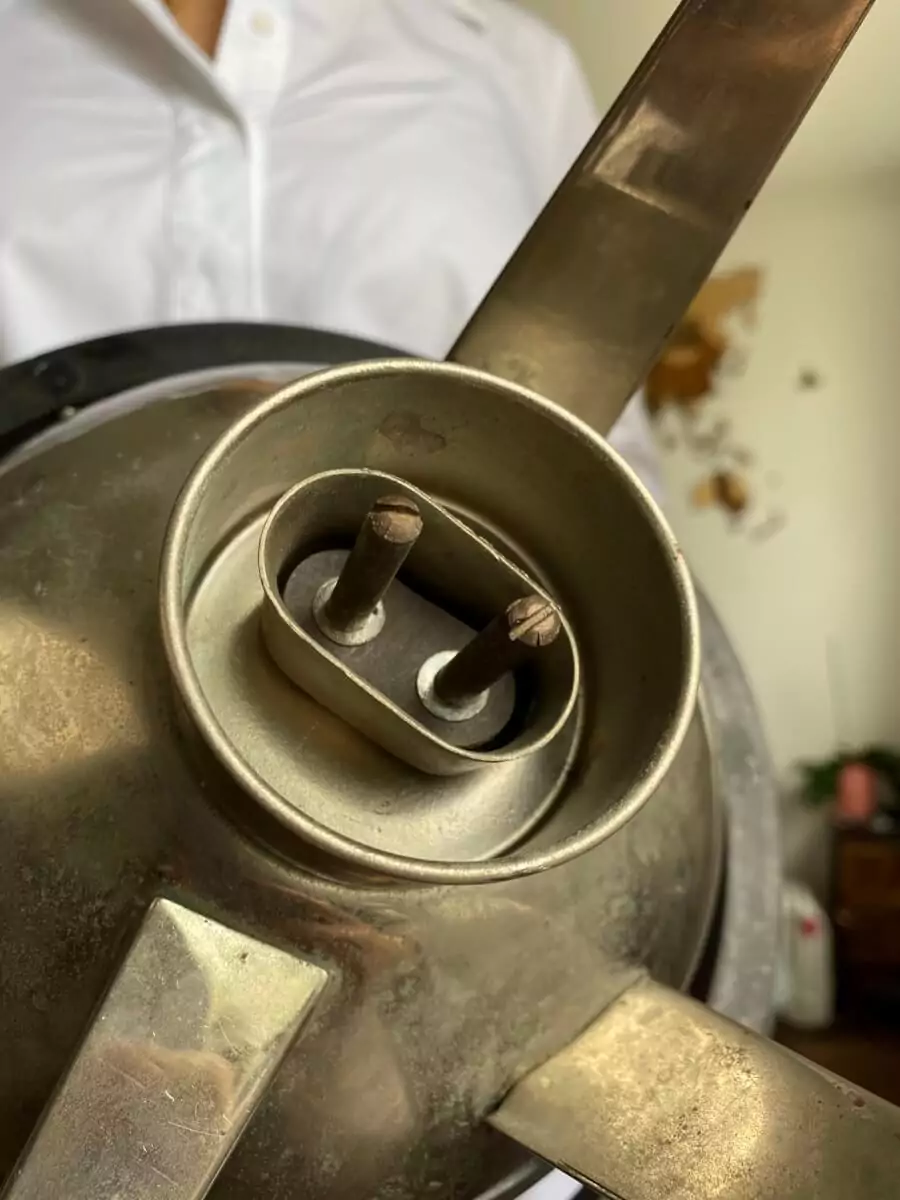
Electric, 2.5 litres, 220 volts, 800 watts, with its spherical teapot and power cord. Height 45 cm, width 22 cm, weight 2.3 kg. Chrome-plated brass body, Saturn ring and tap handle in plastic. Plating worn in places, traces of oxidation on the tank. The three legs, a known weak point of this model, are all in place. Tested, it heats up.
Additional information
| Weight | 5 kg |
|---|---|
| Dimensions | 22 × 22 × 45 cm |