




A Fialka Wheel - KGB - M-125
A Fialka Wheel - KGB - M-125
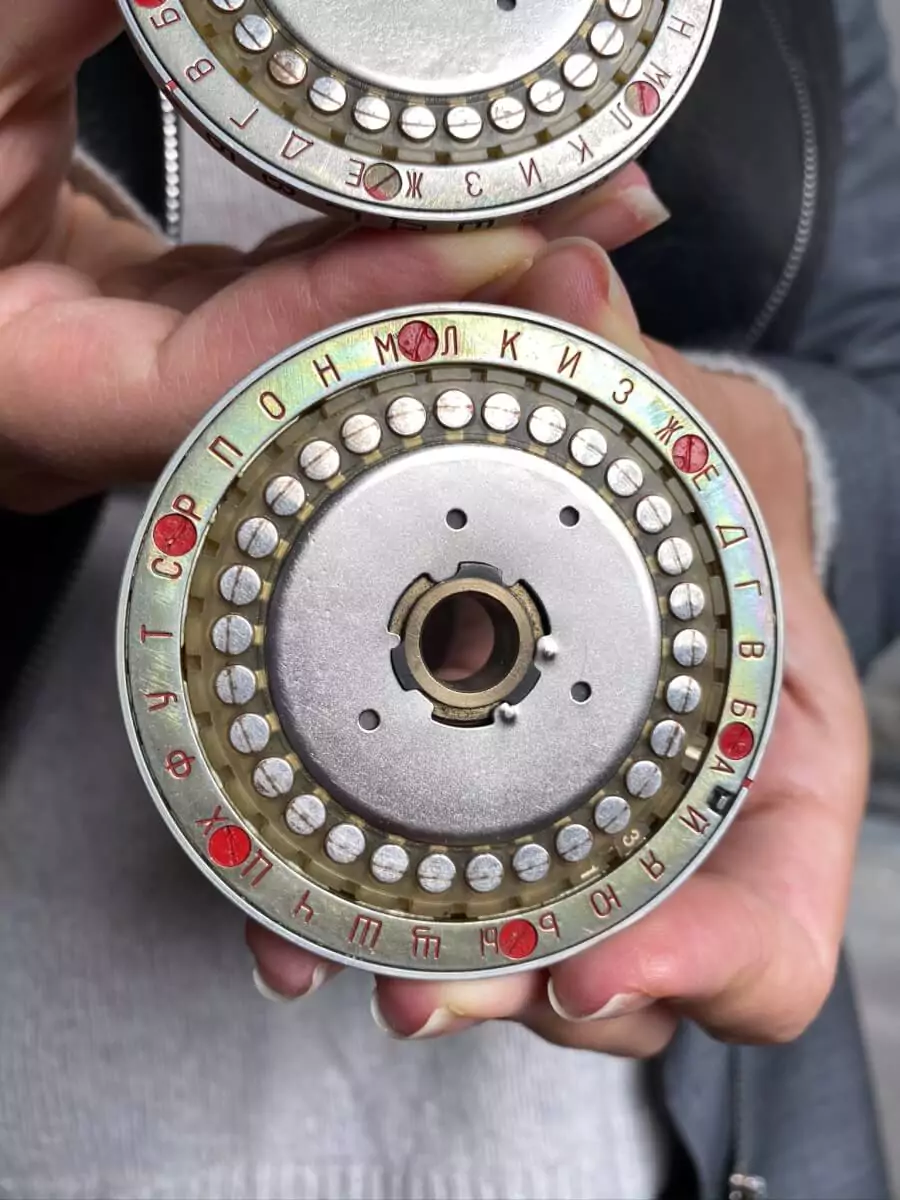
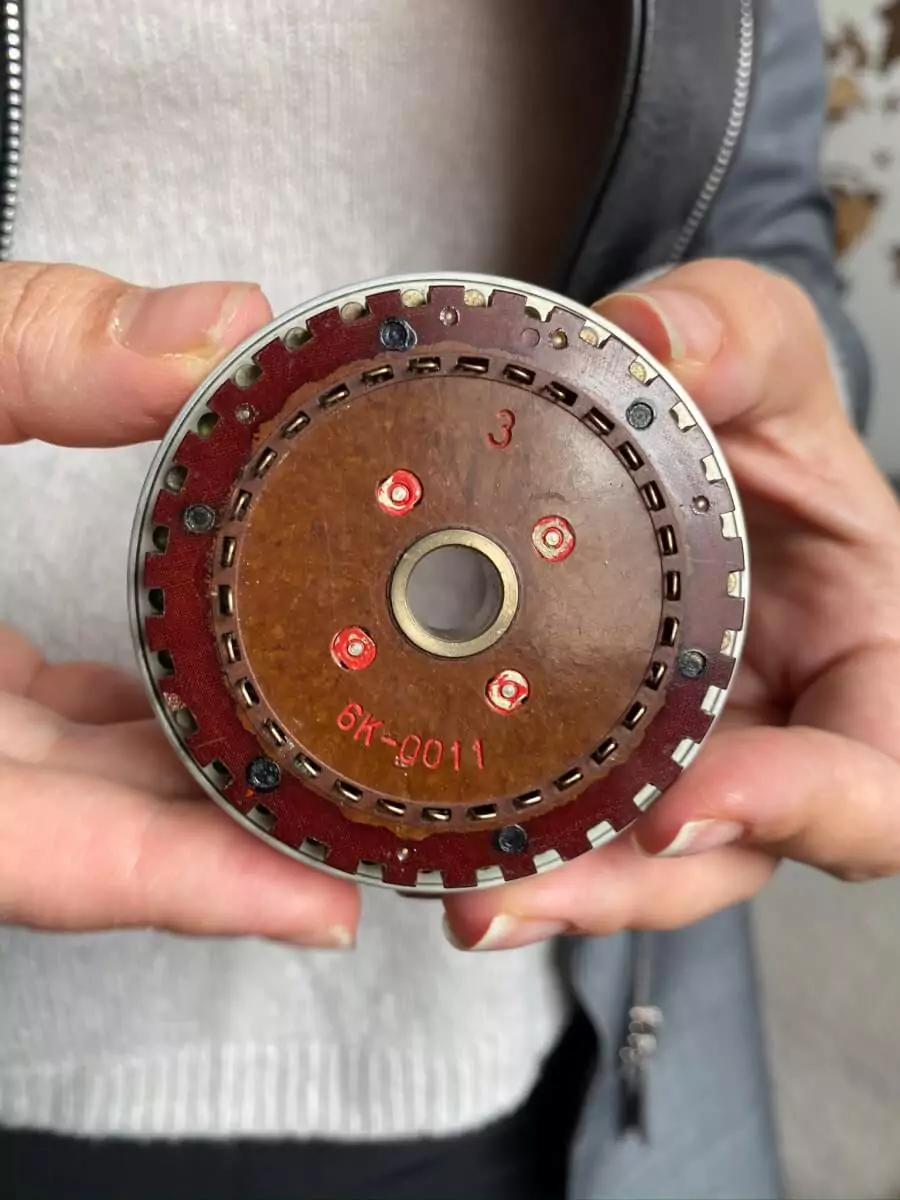
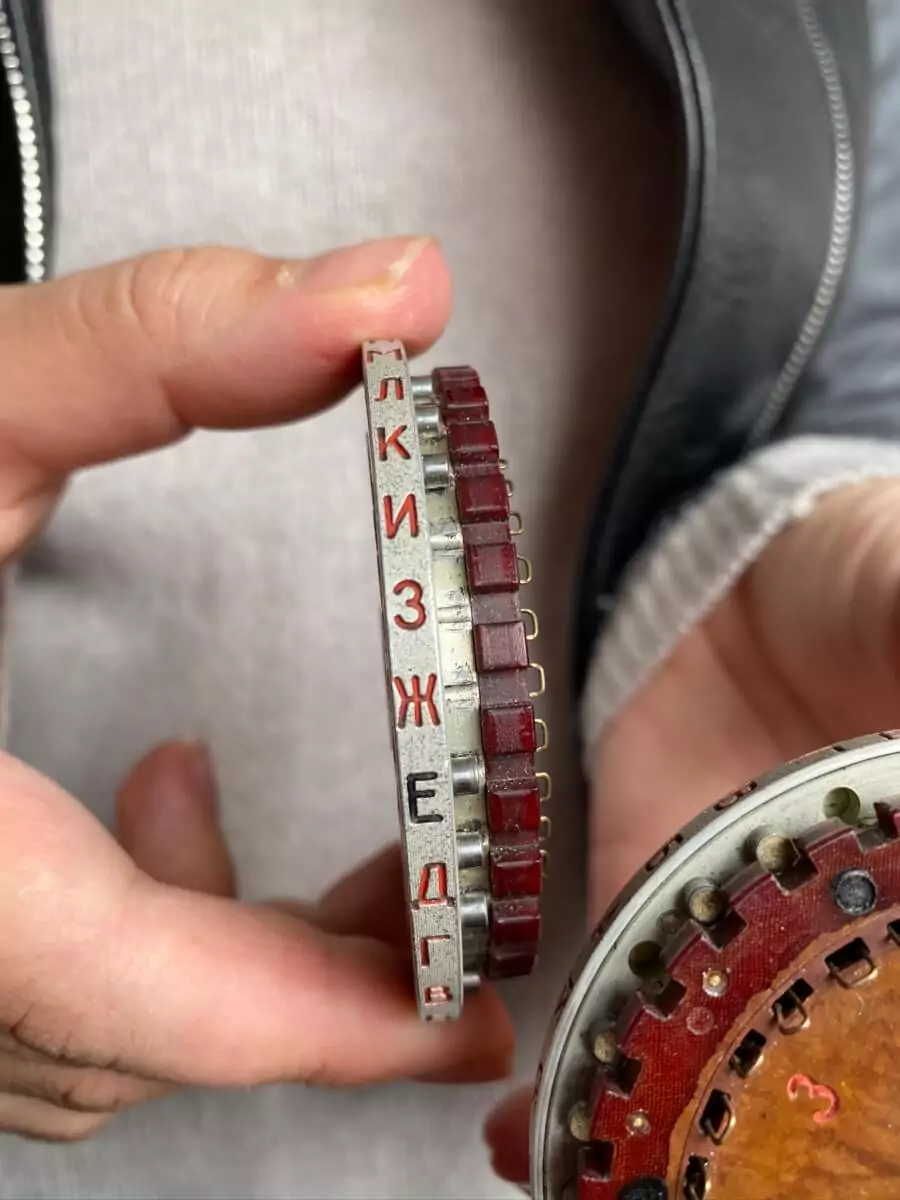
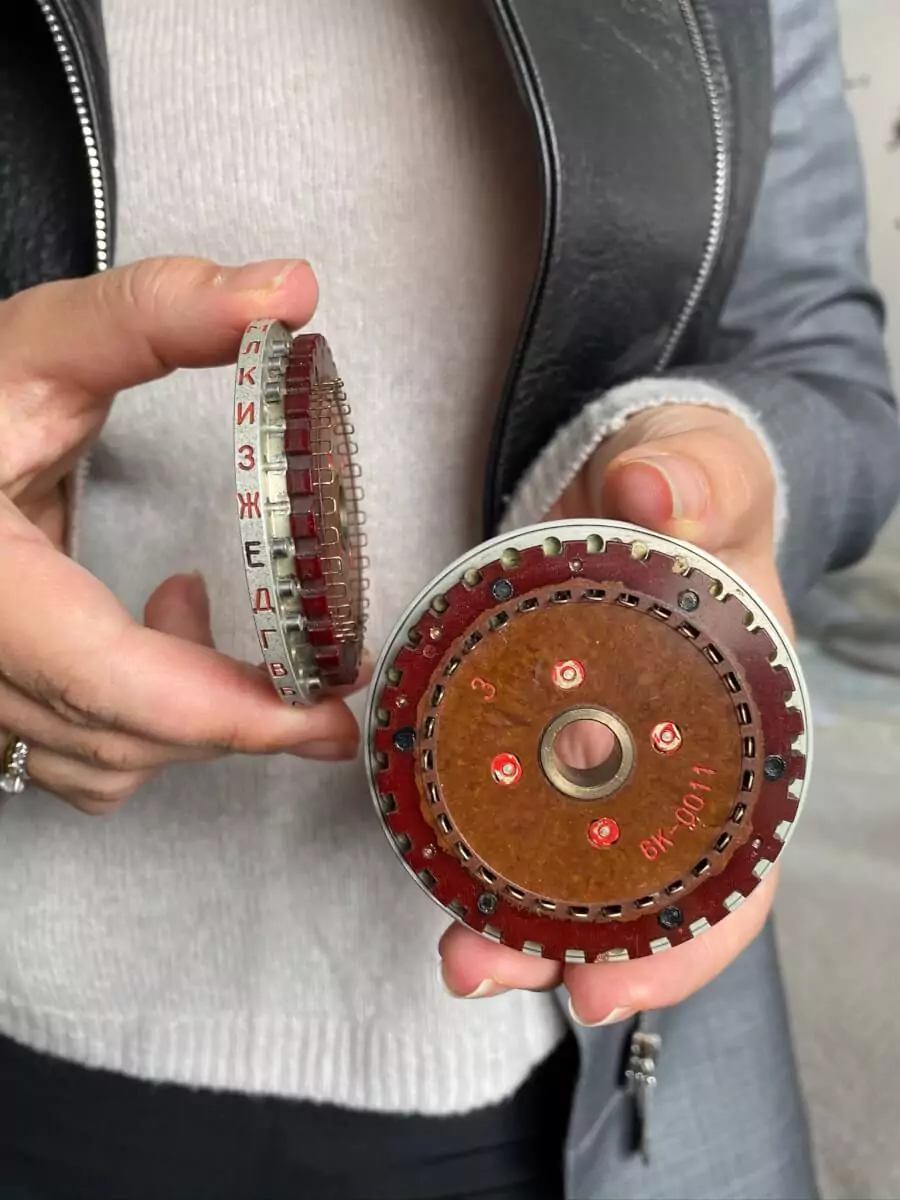
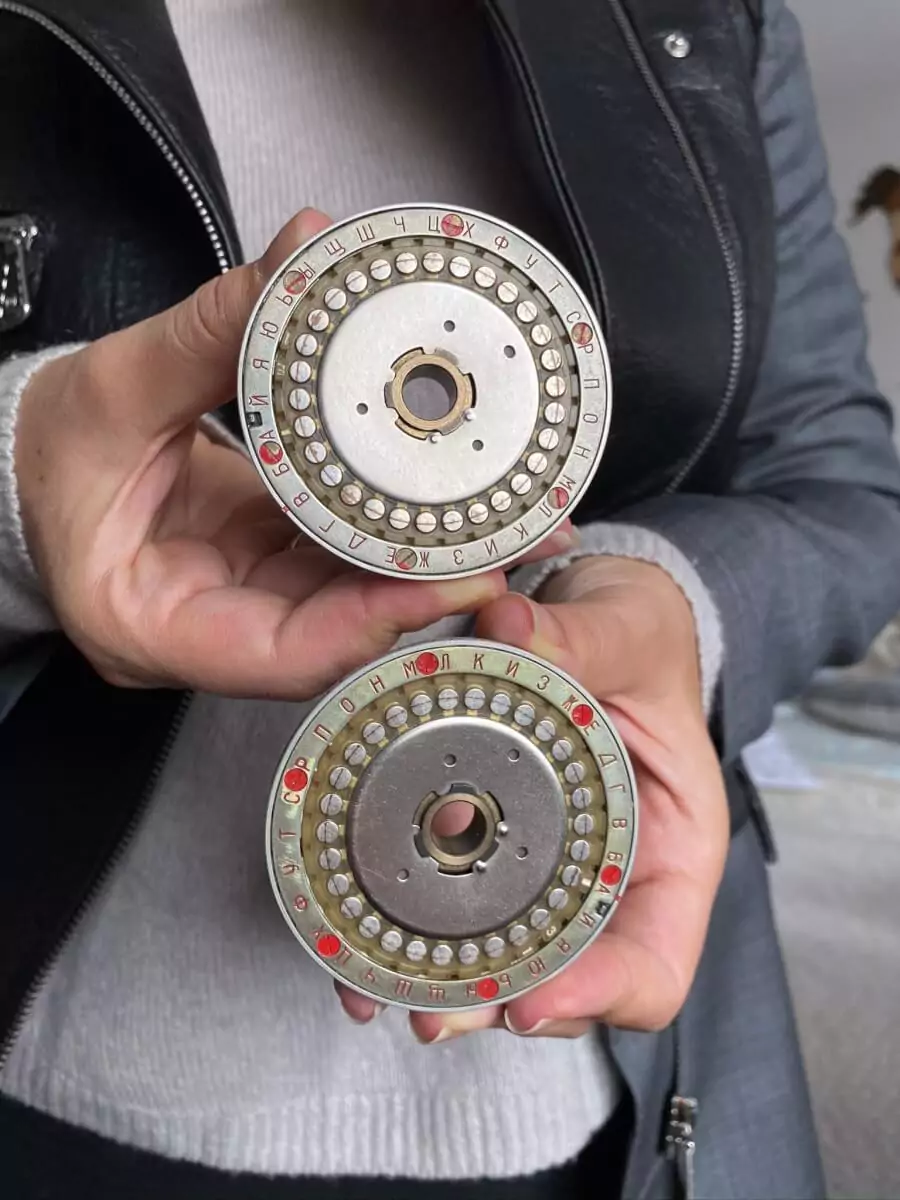
Wheel from the M-125, code name Fialka, the electromechanical rotor cipher machine developed in the USSR after the Second World War and sometimes called the Russian Enigma.
Excellent condition, from a 1958 machine. Price per piece
Sold
Sale price
For newsletter subscribers. One price per month.
Like this model?
We sometimes find another one. Leave your email and we will let you know when it is listed.
A Fialka WheelOne email per arrival of this model, one-click unsubscribe. Your address is used for nothing else.
Message received, dear comrade.
Our information desk usually replies within 24 hours at the address provided.Related products

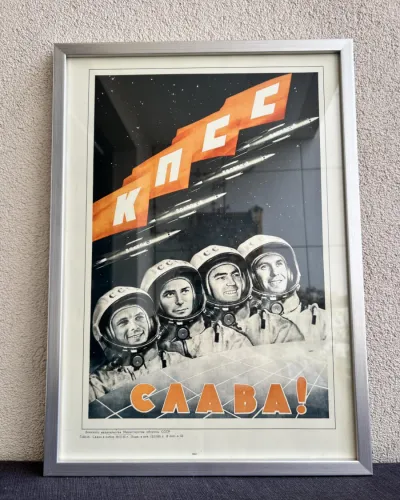

Peak of the space race won by the USSR: Sputnik 1 (1957), Gagarin's flight (1961), Tereshkova the first woman in orbit (1963). Khrushchev leads de-Stalinisation until 1964, then Brezhnev ushers in stagnation. Scientific and cultural high point.
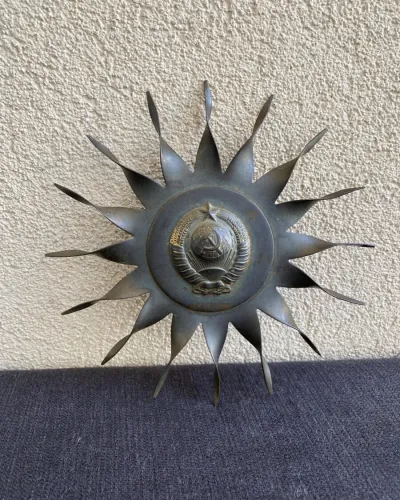

Here are two wheels from the M-125, code name Fialka (in Russian ФИАЛКА), an electromechanical rotor cipher machine developed in the USSR shortly after the Second World War.
It was first introduced in 1956 and quickly became one of the favoured machines of the Warsaw Pact and of certain allied nations such as Cuba.
The machine is similar to the American Sigaba and the KL-7, and to a lesser extent to the Enigma.
For that reason the machine is sometimes called the Russian Enigma.
The original M-125 was replaced by the M-125-3M in the mid 1960s and remained in service until the early 1990s.
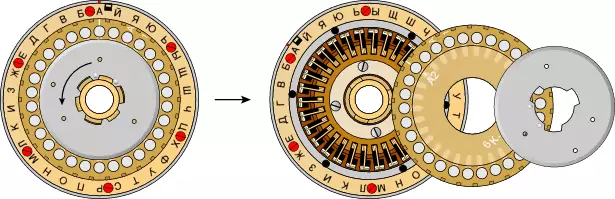
At the heart of every Fialka machine is a drum with 10 different electromechanical cipher wheels (rotors) that move in an apparently random way as a message is typed.
Each wheel is wired differently, and each country of the former Warsaw Pact had its own axle (wired differently for each country).
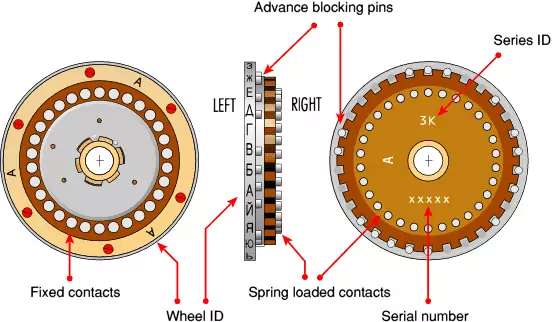
Such a country specific axle is called a series, identified by a digit and the letter “K” (for example, 3K for Poland).
Direct communication between Warsaw Pact countries was strictly forbidden in peacetime, and all messages had to be sent through the Russians.
Only in the event of war with the West would a common set of wheels (known as the 0K series) be issued.
Each wheel has 30 electrical contacts on each side. The right side of the wheel is called the input, while the left side holds the output contacts. The input contacts are connected to the output contacts in a scrambled way. Since there are 30 contacts, each wheel has 30 possible positions.
The wheels are in excellent condition and come from a 1958 machine that was brought over from Russia a few years ago.
Price per piece
Additional information
| Weight | 0.5 kg |
|---|

